A shuttering carpenter is an important worker in the building business. These people are experts at making models also called forms, that keep concrete in place until it hardens properly. Whether they’re working on homes bridges or skyscrapers shuttering carpenters build the framework that makes things last. This article will talk about the skills, responsibilities, career path, and tools that every shuttering carpenter should have. It will also talk about how this job is similar to others in the industry.
What Is a Shuttering Carpenter?
A shuttering carpenter who is also called a formwork carpenter makes temporary forms out of wood metal or plastic that are used to pour concrete into for building parts like walls slabs columns and beams. This job needs a lot of expert know-how accuracy and teamwork.
Shuttering builders on the other hand mostly work on big building projects and improvements to infrastructure. Their work has a direct effect on how strong and straight the frame of a building is.
Key Responsibilities of a Shuttering Carpenter
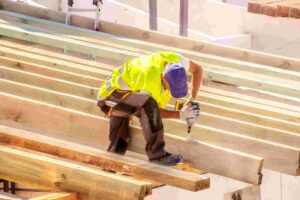
On building sites shuttering carpenters do a range of technical and physical jobs. Some of their main responsibilities at work are:
- Understanding and reading designs and building plans.
- Using plywood, wood, or steel to build forms and measuring, cutting, and putting them together.
- Putting in place formwork methods to shape concrete parts.
- Release agents are being used to keep the concrete from sticking to the molds.
- Taking down the molds safely after the concrete has hardened.
- Updating tools and making sure safety rules are followed on the job spot.
Essential Skills Every Shuttering Carpenter Needs
1. Technical Knowledge
It is very important to understand building drawings and structure plans. A shuttering builder should be able to accurately figure out lengths and angles.
2. Physical Strength and Stamina
Being physically fit is important for this job because it requires lifting heavy things and spending long hours on construction sites.
3. Attention to Detail
A structure’s integrity can be compromised by even a small measurement mistake. Focus and accuracy are skills that can’t be compromised.
4. Teamwork and Communication
Site engineers, steel fixers, and concrete workers all work closely with shuttering builders. Good communication is key to getting projects done on time.
5. Knowledge of Materials
Different projects need different kinds of materials. For example, residential projects need wood formwork, while high-rise buildings need steel formwork.
Tools and Equipment Used by Shuttering Carpenters
A skilled shuttering carpenter needs to know these things:
- Assessing spirit levels and tapes
- Drills and power saws
- Nails and hammers
- Bolts and clamps
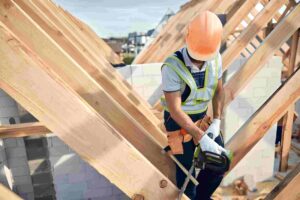
- Safety equipment include harnesses, helmets, and gloves
Tool maintenance on a regular basis guarantees effectiveness and lowers working risks.
Career Path and Training Opportunities
Although finishing a carpenter apprenticeship program is a significant advantage, formal schooling is not required to become a shuttering carpenter. Apprenticeships impart practical skills, sophisticated construction methods, and safety procedures.
See our guide on Carpenter Apprenticeship Programs Skills Pay & Opportunities for additional information on organized learning opportunities.
Many shuttering carpenters begin as assistants and work their way up to supervisory positions or, with more experience, construction foremen.
Comparing Shuttering Carpenters with Other Carpenter Types
Let’s examine how shuttering relates to a few comparable transactions:
- Finish Carpenter: focuses on small features inside the house, like cabinetry and trim.
- Commercial Carpenter: works on big projects like building shops or offices.
- Furniture Carpenter: specializes in making or fixing furniture out of wood.
- General Carpenter Services: Does a lot of different home repair and woodworking jobs.
Shutting carpentry is still one of the most structurally important jobs in building even if each craft demands different skill sets.
Safety Practices and Site Regulations
For any carpenter who works on shutters safety comes first. 1Following the rules for safety in your business lowers the chance of having an accident. Important steps include the following:
- Putting on protective gear (PPE) all the time.
- checking ladders and platforms on a regular basis.
- making sure that every tool is in good shape.
- Not taking steps that put safety at risk.
- Reporting hazards immediately to supervisors.
Organizations like OSHA and CITB provide useful resources and certifications on construction site safety.
Earning Potential and Job Outlook
The demand for shuttering carpenters continues to rise globally due to infrastructure expansion. Between $20 and $35 an hour will be the average wage in 2025, but it will depend on the skill and location. If they work on government or high-rise jobs, foremen and senior carpenters can make a lot more money.
Check out our comprehensive guide on How to Become a Carpenter in 2025 if you’re looking for long-term stability.
Conclusion
In contemporary construction a shuttering carpenter is an unsung hero. They are good at making correct and long-lasting formwork, which means that concrete buildings will last for a long time. Because of the growing need in both residential and business projects, it’s a great job for people who love craftsmanship, working with others, and being precise with their work.
If you want to become a shuttering carpenter, learning what they do is the first thing you need to do to become an expert in the craft of making structures.
FAQs About Shuttering Carpenters
1. What is the role of a shuttering carpenter in construction?
The shuttering carpenter creates temporary molds or formwork to retain concrete as it cures. These molds form beams columns slabs and foundations. They make sure the concrete sets properly and is strong and accurate.
2. What qualifications do I need to become a shuttering carpenter?
A shuttering carpenter generally needs basic schooling on-the-job training or an apprenticeship. Practical skills safety awareness and building site experience are highly necessary.
3. What tools and equipment does a shuttering carpenter use?
Shuttering carpenters use saws drills measuring tapes, spirit levels hammers nails and steel clamps. To guarantee safety they wear gloves helmets and boots.
4. How is shuttering carpentry different from other types of carpentry?
Shuttering carpenters build robust temporary structures to shape concrete unlike furniture or finish carpenters. Their work is highly technical and requires hefty materials and sophisticated building designs.
5. What are the main responsibilities of a shuttering carpenter?
A shuttering carpenter measures and cuts formwork, assembles molds, installs supports, pours concrete, and dismantles molds after. They also guarantee safety and engineer-specified work.