Practical Home Repair & Appliance Guides for Pakistani Homes
Geysers, ACs, electricity bills, UPS and plumbing, explained simply with real 2026 prices, so you can fix small problems yourself and avoid being overcharged on big ones.
Written by Husnain Ali
For 10 years I've repaired geysers, ACs, wiring and plumbing in homes across Islamabad and Rawalpindi. I've seen the same problems again and again, and the same overcharging. This blog is where I write down what I've learned, in plain language.
Browse by Topic
Geyser Guides
How geysers work, repairs, safety and winter care
AC Guides
Buying, settings, gas charging and bill saving
Bijli, UPS & Solar
High bills, UPS sizing and solar
Plumbing Guides
Leaks, drains, water pressure and rates
Carpentry & Furniture
Tools, work and furniture ideas
Latest Guides
- All
- AC Guides
- Bijli, UPS & Solar
- Carpentry & Furniture
- Geyser Guides
- Ghar Ki Dekh Bhaal
- Plumbing Guides
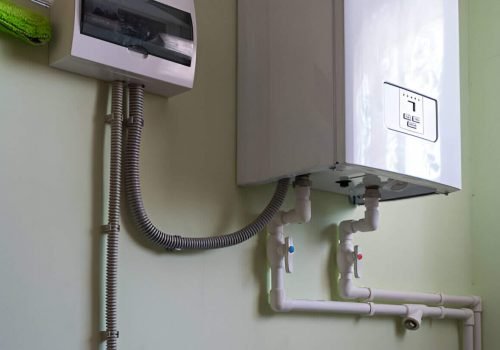
Solar geyser ki 2026 prices, evacuated tube vs flat plate, payback ka hisaab aur nuqsanat: kis ghar ke liye yeh...
Bijli ka bill achanak zyada kyun aaya? 5 asal wajuhat, meter khud test karne ka tareeqa aur bill kam karne...
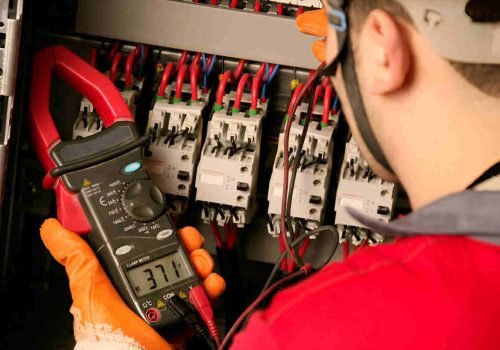
UPS ki 2026 qeematein, sahi size kaise chunein, battery ka asal kharcha aur safe installation ki zaroori baatein.
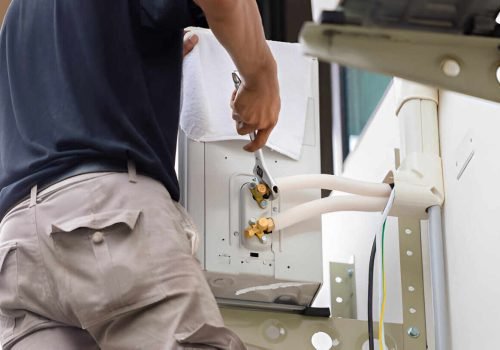
AC bar bar trip kyun karta hai? 7 asal wajuhat, khud check karne ka tareeqa aur 2026 mein repair ka...
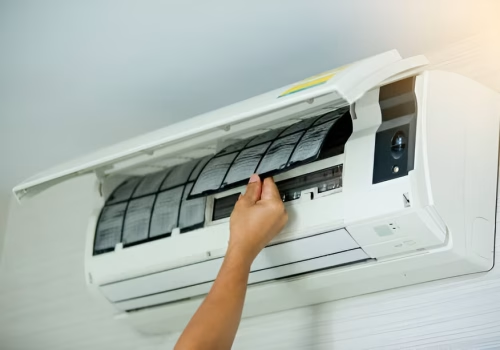
Inverter vs simple AC: bijli ke bill ka asal farq, 2026 ki qeematein aur inverter kitne mahine mein paisa wapis...
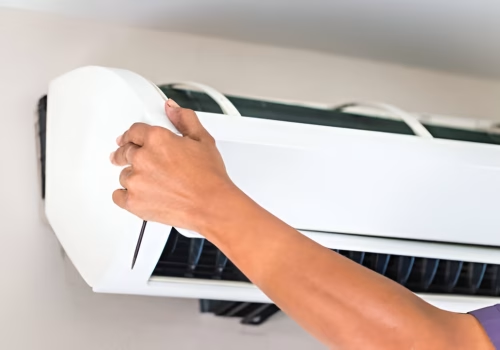
AC gas charging ke 2026 rates (R22, R410a, R32), gas kam hone ki nishaniyan aur overcharging ke dhokon se bachao.
Home Repair and Appliance Help for Every Pakistani Home
MTS Guide is a free resource for Pakistani homeowners and tenants. Every guide is written from real repair work, uses current 2026 prices from the Pakistani market, and tells you clearly which jobs you can do yourself and which need a qualified technician. Here is a quick tour of what the site covers, with the most useful advice from each topic.
What We Cover
Six topics, one goal: fewer breakdowns, safer homes and fair repair bills.
Geyser Repair, Safety and Prices
The geyser is the most used appliance in a Pakistani home from November to February, and the one that fails at the worst time. We explain how gas, electric, instant and solar geysers heat water, and the most common winter faults:
- Pilot light keeps going out: a dirty pilot, weak thermocouple or low gas pressure.
- Burner does not start: a blocked burner, faulty gas valve or low thermostat setting.
- Electric geyser not heating: a burnt element, tripped thermostat or loose connection.
- Rusty or smelly water: the magnesium anode rod is finished.
- Low hot water flow: scale and sand that a yearly flush removes.
Compare electric and gas geyser prices in Pakistan, and see whether a solar, instant or horizontal geyser suits your home. A setting of 50 to 60°C is hot enough for most families and cheaper to run.
Read all geyser guides →AC Service, Gas Charging and Lower Bills
In a Pakistani summer the AC is the biggest item on the bill. We explain what a proper AC service includes: cleaning the filters and coil, washing the outdoor unit, checking the drain pipe and measuring gas pressure instead of guessing.
Our AC gas charging prices guide covers R22, R410a and R32, the real signs of low gas, and why an AC that needs gas every year has a leak. Other guides fix an AC that trips again and again, a compressor that stops after two or three minutes, and water dripping indoors.
Buying new? Compare inverter and simple ACs with real bill numbers, see how many units a 1.5 ton AC uses, and learn the best remote settings for Gree, Dawlance, Orient, Haier and TCL. For most homes, 26°C with the fan on auto is the sweet spot.
Read all AC guides →Lower Bills and Reliable Backup
A sudden jump in the electricity bill is one of the most common worries we hear about. We explain the real reasons: a heavy appliance running longer than you think, a faulty thermostat, an earth leakage, a wrong meter reading or crossing into a higher tariff slab. You will learn how to read and test your meter yourself and how to bring the bill down.
For load shedding, our UPS guides explain pure sine wave vs ordinary UPS units, how to size a UPS for your fans, lights and router, what a battery really costs over its life, and how to install it safely. Solar geyser guides help you decide when solar is worth it.
Read all bijli, UPS and solar guides →Leaks, Drains and Water Pressure
A small leak can damage walls and floors for months before you notice. Our guides cover low water pressure, dripping mixers, running flush tanks, blocked kitchen sinks and bathrooms that smell like a gutter, with simple checks to try first and clear signs of when to call a plumber.
We also explain how house plumbing works in Pakistan: roof tanks, pressure pumps, PPR and UPVC pipes, drain slopes and vent pipes. Building a new house? Our rough-in plumbing guide lists the mistakes that are expensive to fix after tiling. Our plumber rates guide shows what common jobs should cost in Islamabad and Rawalpindi.
Read all plumbing guides →Carpentry and Furniture
Wood work is a big expense in any new or renovated home. We explain carpenter rates in Pakistan for wardrobes, kitchen cabinets, beds and doors, and help you choose between solid wood, MDF, chipboard and plywood for each job.
Our furniture ideas guide shows space-saving designs for flats and small houses, and our tools guide lists the basic kit every home should keep. Interested in the trade? We also explain how to become a carpenter in Pakistan, which skills matter and what carpenters earn.
Read all carpentry guides →Catch Small Faults Early
Most expensive repairs start as small faults that nobody noticed. Our new house checklist tells you what to check in your first 30 days in a new home, and our yearly calendar shows what to service month by month: geysers before winter, ACs before summer, water tanks, roof drains before the monsoon, and wiring and earthing every year.
Open the maintenance checklist →What to Check in Each Season
A simple calendar for Pakistani weather.
Service and flush the geyser, check gas heater pipes and clamps, and make sure rooms with heaters have ventilation.
Protect roof pipes from freezing, use a timer on the electric geyser, and watch the gas pressure in the mornings.
Book the AC service before the summer rush, clean the filters, and test the UPS battery before load shedding increases.
Clean AC filters every few weeks, keep the outdoor unit shaded where possible, and check that drain pipes are clear.
Clear roof drains before the monsoon, check walls for damp near pipes, and keep electrical points away from leaks.
DIY or Call a Technician?
Every guide tells you honestly which jobs are safe to do yourself. As a simple rule:
Safe to Do Yourself
Cleaning AC filters, flushing a geyser tank, clearing a blocked sink trap, changing a tap washer, resetting a tripped breaker and tightening loose furniture hinges.
Better Left to a Technician
Anything on the gas line, refrigerant gas work, opening the main electrical board, replacing a geyser thermostat or element, and any job at height on the roof.
Stop and Get Help Now
A smell of gas, sparks or burning plastic, a shock from any appliance or tap, or water leaking near electrical points.
How to Avoid Being Overcharged
After years of repair work, the same tricks come up again and again. These habits protect you from most of them.
Buying a New Appliance: What to Check First
A good purchase saves more money than any repair.
Match the tank to your family, from about 25 gallons for a small family to 35 gallons or more for a larger one. Check the gas type, tank thickness, the warranty on the tank itself, and whether installation and the safety valve are included.
Choose the tonnage by room size and sunlight, not price alone. A 1 ton AC suits a small bedroom and a 1.5 ton AC suits most medium rooms. Confirm it is a genuine inverter, check the gas type and compressor warranty, and get the installation kit and pipe length written on the bill.
Add up the watts of everything you want to run during load shedding and leave some spare capacity. A pure sine wave UPS is safer for fans, fridges and electronics. Ask for the battery manufacturing date, because an old battery loses life even in the shop.
Gas and Electrical Safety at Home
Never sleep with a gas heater or angeethi burning in a closed room. It can fill the room with carbon monoxide, a gas you cannot see or smell. Check gas pipes for cracks every winter and replace taped joints with proper clamps.
On the electrical side, make sure your house has working earthing, use a separate breaker for the geyser and AC, and never run a heater or iron from a thin extension board. If any appliance gives a shock, switch it off at the breaker and do not use it until it has been checked.
A Basic Tool Kit for Every Home
Many small jobs become easy with a few basic tools. Keep them in one box so they are ready when something goes wrong.
- Screwdriver set
- Adjustable spanner
- Pliers
- Tester screwdriver
- Plumber tape
- Drain plunger
- Torch
Our tools guide explains which tools are worth buying and roughly what they cost in Pakistan.
How We Write Our Guides
All guides on MTS Guide are written by Husnain Ali, a home maintenance technician with 10 years of hands-on experience in Islamabad and Rawalpindi. Each guide starts from problems seen on real jobs, not from foreign websites written for homes and appliances that are different from ours.
Prices are checked against the Pakistani market and dated, so you know how current they are. Safety comes first: where a job involves gas, electricity or height, the guide says so clearly. Spotted a mistake or want a topic covered? Reach us through the contact page.