How to Find a Plumber for Low Water Pressure Issues
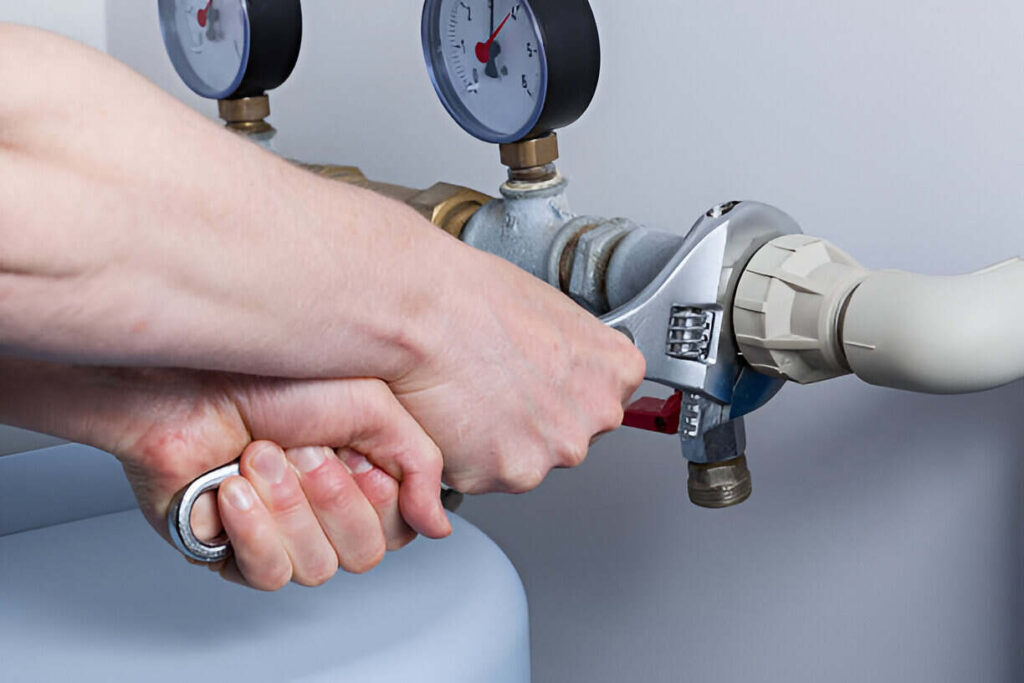
How to Find a Plumber for Low Water Pressure Issues Having low water flow in your home can be annoying and make it hard to do the things you need to do. If you’re having problems with Find, a Plumber for Low Water Pressure can help you figure out what’s causing it and fix it. This will get the water flowing normally again. Finding a plumber in Pasadena can be hard, but a Pasadena expert can help you get your low water pressure fixed quickly. This piece will talk about how to find a trustworthy plumber to fix your low water pressure issues, the most common reasons for these problems, and how to make sure they are handled correctly. Understanding Low Water Pressure Find out what low water flow is before you call a plumber. Things that use water, like taps and showerheads, don’t move the water as fast when the water pressure is low. This is clear when taps or showers don’t work or the water flows very slowly. Your kitchen sink plumbing is one place that could be affected. This is because it often shows early signs of pressure problems and may need professional help. Common Causes of Low Water Pressure You may flow in your home for several reasons. If you know what’s wrong, you can find the right Pasadena plumber to fix it. Many people do it for these reasons: Clogged Pipes: It is possible for mineral layers, rust, and other debris to accumulate in your pipes over time, which will cause the water to travel more slowly. Faulty Pressure Regulator: A defective pressure valve may cause water to flow at an uneven pressure, which can lead to low pressure. Leaking Pipes: It is conceivable that the quantity of water flow in some regions of your home will be decreased if there is a leak in the pipes. This might happen in certain areas of your home. Blocked Valves: Should an entry be partly or blocked, the pace at which water travels through your plumbing system may be slowed down. Municipal Supply Issues: There could be a problem with the water that your city provides. Older tech makes this more likely to happen. How a Plumber for Low Water Pressure Can Help A skilled plumber can help you figure out what’s wrong with low water pressure and fix it by: Identifying the Source of the Problem: Plumbers know how to find the cause of low water pressure, whether it’s the lines. The pressure valve or the water flow from the city. Fixing Leaks and Clogs: They may repair or replace damaged pipes and remove any obstructions that may be preventing your water from flowing. Upgrading Pressure Regulators: If your water pressure valve is acting up, a plumber can help you out and restore your water pressure to normal in no time! Preventing Future Issues: An experienced plumber will not only address the issue at hand but will also provide you with advice and services to prevent the issue from occurring again in the future. Finding the Right Plumber for Low Water Pressure Issues When looking for a plumber to fix your low water pressure. It’s important to find one who is skilled, dependable and honest. To help you find the right plumber, follow these steps: 1. Research Local Plumbers Before anything else, it’s a good idea to check out local plumbers who know how to fix low water pressure. You can find local plumbing companies by checking out search engines and websites that feature plumbers. Here are the two types of resources you can use. It is recommended that you search for plumbers who have a great deal of experience in identifying and fixing problems that are associated with substandard water pressure. 2. Check Reviews and References A plumber’s reliability may be determined by several methods, one of the most effective of which is by reading reviews and phoning the names of previous customers. You can get evaluations from customers by visiting websites such as Google, Yelp, and Angie’s List. Search for plumbers who have received a large number of positive ratings, particularly those who discuss the process of repairing low water pressure. 3. Ask About Experience with Water Pressure Issues To make sure the plumber can fix problems like low water pressure, you should ask them about it. It may be too hard for some plumbers to handle. Ask the plumber what might be wrong to make sure they have the tools they need to figure out what’s wrong and fix it quickly. 4. Get Multiple Estimates Before hiring a plumber, it’s a great idea to gather a few quotes from different options. This helps you understand the right cost for the job and ensures you don’t end up paying more than necessary. A reliable plumber will happily share their prices and provide you with a complete quote before getting started on the job. 5. Verify Credentials and Licensing Before you hire a plumber, make sure they are licensed and have insurance. Make sure the plumber you hire has the right licenses to work in your area. Different places have different rules about who can be a plumber. If something goes wrong or is broken at work, insurance will protect you. 6. Inquire About Warranty and Guarantees Find out whether the plumber guarantees their work. A professional plumber should guarantee their work so you don’t have to worry if issues arise. Tips for Maintaining Optimal Water Pressure Taking care of your pipes is important so that the low water flow doesn’t happen again after it’s fixed. Checking parts like your plumbing vent pipe on a regular basis can help stop pressure problems and draining problems. Keep your home’s water pressure high by doing these things: 1. Regular Plumbing Inspections Regularly inspect your pipes for deterioration, leaks, and obstructions that might affect water pressure. Early detection may prevent issues from worsening. 2. Install a Water Pressure Regulator If your home doesn’t already have one, installing
Electrician Trainee Card: Requirements and How to Apply
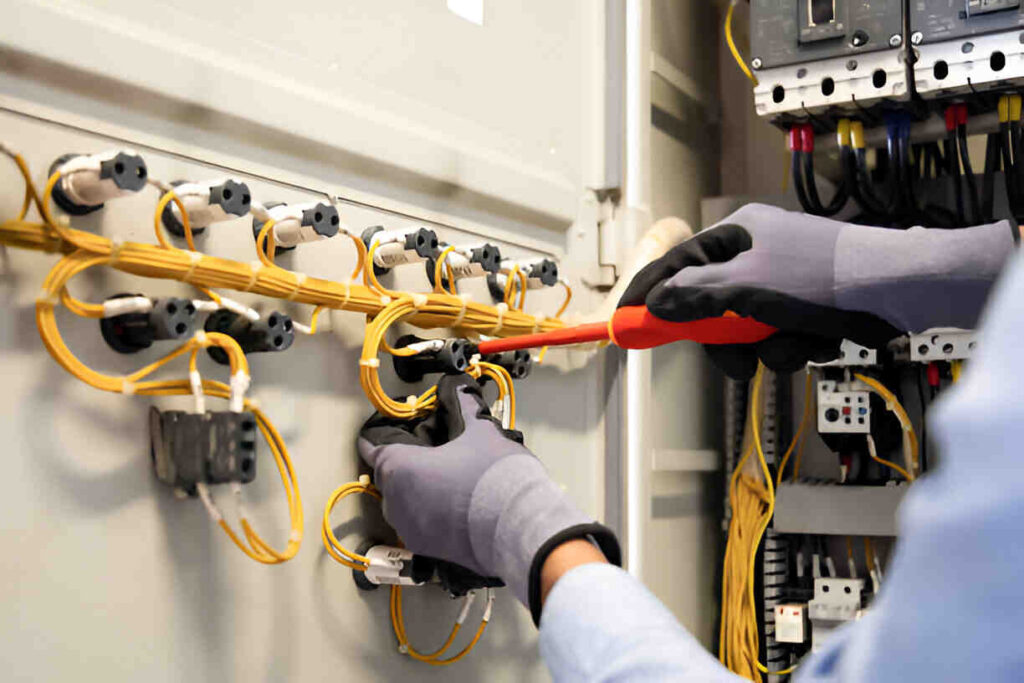
Electrician Trainee Card: Requirements and How to Apply Beginning one’s career as an electrician is both an exciting and fulfilling experience. The acquisition of an electrician trainee card, on the other hand, is one of the most critical procedures that you need to do. If you have this important document, you will earn the experience you need to become a fully registered electrician by working as an apprentice under the supervision of a qualified expert. We’ll talk about everything you need to know about the electrician training card in this guide, such as what it takes to get one, how to apply, and the perks of having one. What is an Electrician Trainee Card? A license, known as an electrician trainee card, allows individuals to work as students or trainees under the supervision of a professional electrician. The pass shows that the person is in an organized training program where they are learning the skills they need to get a license as an electrician. People who have met specific educational and training standards are given a card by the appropriate state or regulatory body. Importance of an Electrician Trainee Card Having an electrician trainee card is essential for several reasons: Legal Compliance: In many states and cities, you need an electrician training card to properly do electrical work while being supervised. Skill Development: The card lets you get real-world practice, which is essential for getting good at the job. Career Advancement: It’s often the first step required to obtain a full electrician’s license, which can help you get better jobs and make more money. Things you must do to obtain an electrician trainee card To get an electrician training card, you have to meet certain standards. These rules may be different in each state, but most states follow them. This is important for people who want to know if being an electrician is hard and what the process is. 1. Minimum Age Requirement In most states, people who want to get an electrician training card must be at least 18 years old. This makes sure that the person is of legal working age and can take part in the training program. 2. High School Diploma or GED Most of the time, you need a high school graduation or something similar, like a GED. In this way, you can be sure that you have the basic schooling you need for the theoretical parts of the job. 3. Enrollment in a Training Program To become an electrician trainee, you must first join a recognized electrical apprenticeship or training program. Trade schools, unions, or contractors often give these programs. The duration of these programs varies, but they commonly span between two and five years. You might be thinking how to get an electrician apprenticeship if you don’t know where to begin. Typically, the first step is to research and apply to training programs. These can be run by unions, trade groups, or companies that offer on-the-job training. Most internship programs let you learn in the classroom and gain experience on the job. This is a great way to start your work. 4. Supervision by a Licensed Electrician People who teach you how to be an electrician will need to keep an eye on you and tell you what to do. By doing so, you will guarantee that you will continue to develop the abilities that are required for the career. 5. Proof of Work Experience Some states may ask you to show proof of work experience or hours when you apply for a training card. This will make sure that you keep learning the skills you need for the job. How to Apply for an Electrician Trainee Card The application process for an electrician trainee card generally involves several key steps: 1. Complete a Training Program You must have finished or been in an approved state-recognized electrical job or training program before you can apply for the card. Two parts of this will be work practice and lessons in the classroom. Electrical rules, safety standards, wiring, and circuit design are just some of the things that the training course will cover. 2. Gather Required Documentation Once you have finished the requisite curriculum or are presently enrolled, you must obtain the following documents: Evidence of age (birth certificate or identification issued by the government) Diploma from high school or General Equivalency Diploma Confirming the enrolment of participants in your training program Proof of work hours (if required) 3. Submit Your Application To minimize delays, ensure that you correctly fill out all portions of the application and submit it to the relevant regulatory agency. Some states offer online application portals, while others may ask for hard copies of your papers. 4. Pay the Application Fee There is a fee in most states to fill out the application for an electrician training card. The amount of money it costs changes, so check the rules in your state. 5. Wait for Approval After submitting your application, you will have to wait for approval. Once authorized, you will be issued an electrician trainee card, allowing you to legally begin working as an apprentice under the supervision of a professional electrician. Duration and Renewal of Electrician Trainee Cards The electrician trainee card is usually valid for one or two years. Following that, you must renew your card by providing confirmation of continuous enrolment in your training program and paying the renewal price. Benefits of Having an Electrician Trainee Card Obtaining an electrician trainee card offers several benefits: Legally Authorized Work: The card gives you the legal right to work as an electrical student or trainee. Industry Recognition: Companies that are interested in hiring you will see that you are serious about the job and want to learn the skills they need. Job Opportunities: Many companies prefer to hire individuals who are working towards licensing, as it demonstrates their dedication to their career and strong work ethic. Path to Licensure: The trainee card is frequently the first step on
How to Get an Electrician Apprenticeship
How to Get an Electrician Apprenticeship Starting a career in a skilled job can be good for your career and your finances. If you’re wondering how to get an electrician apprenticeship. Getting a high school diploma or GED is usually the first step. After that, you should apply to a recognized internship school that mixes training in the classroom with training on the job. If you’re new to the job market or switching careers, this guide will help you figure out how to start, even if you have never done it before. Why Choose an Electrician Apprenticeship? To become an electrician, you need to learn more than just how to wire things. You also need to build a job in a trade that is in high demand and pays well. The U.S. Bureau of Labour Statistics says that the number of electrician jobs will grow by 6% between 2022 and 2032. The average salary for an electrician is over $60,000 per year. Some people ask, Is being an electrician hard? The answer depends on your interest and willingness to learn. The apprenticeship method offers the training and assistance required to succeed despite the job’s technical and physical challenges. Benefits of an Electrician Apprenticeship Earn while you learn No student debt Hands-on experience Industry certification Strong job security Understanding How to Get an Electrician Apprenticeship What Is an Electrician Apprenticeship? An electrician internship is an organized training program that includes both classroom and on-the-job training (OJT). To Become Electrician a qualified journeyman you have to go through these schools which usually last between 4 and 5 years. How to Get an Electrician Apprenticeship With No Experience You might be shocked to learn that you only need to know the proper steps and have the right attitude to get started. Get Your High School Diploma or GED For most training programs, you need at least a high school education. Pay attention to things like Math (especially algebra) Physics Technical drawing or shop class (if available) Apply to a Pre-Apprenticeship Program (Optional but Valuable) Before you start your training you learn how to use basic tools stay safe and understand how electricity works. Taking these lessons can help you get your Electrician Trainee Card even if you don’t have much experience. Check with the community college or job development program in your area. Young people can get free education through programs like Job Corps. Find a Registered Apprenticeship Program Here’s where your real journey begins. Consider the following types: Union Programs (IBEW/NECA) It is provided by the Joint Apprenticeship and Training Committees (JATC). Competitive but highly respected Non-Union Programs (IEC or ABC) Offer open hours and a range of relationships with employers. Direct Employer Apprenticeships Some electricians have schools where people can learn how to work for them. Search for registered programs at: apprenticeship.gov IBEW Local Union Directories Requirements to Apply In most cases, you need to do the following to be considered for an apprenticeship: Be 18 years or older Possess a valid driver’s license Pass a basic aptitude test Undergo a physical exam Pass a drug screening Demonstrate basic math skills Tips to Strengthen Your Application There are several ways to stand out, even if you haven’t done this before: 1. Volunteer or Intern Look for chances to work with or watch a registered electrician. Being exposed for even one to two weeks shows effort. 2. Build Basic Skills Familiarize yourself with: Hand tools like pliers and wire strippers Safety standards (e.g., OSHA basics) Simple circuitry and diagrams 3. Craft a Professional Resume Include courses, charity work, and certificates that are applicable, such as: OSHA 10 or 30 CPR and First Aid Basic electrical theory (if self-taught or taken online) Career Outlook After Apprenticeship You’ll be able to take the journeyman test after you finish your training. You have more choices when you have a license: Residential electrician Commercial electrician Industrial electrician Electrical contractor or business owner With more advanced certificates and badges, you can become an expert in: Solar power systems Building automation High-voltage systems Conclusion Knowing how to get an electrician apprenticeship, even with no experience, can be the gateway to a high-paying, stable career. First things first, make sure you have a solid foundation like your diploma or GED. Then look for good programs and remember. It’s okay to start with the basics. Suppose you stay dedicated and follow the proper steps. You’ll be wiring your future in both a literal and figurative sense. Frequently Asked Questions Can You Get an Electrician Apprenticeship Without Any Experience? Yes, several programs are geared at total novices. Pre-apprenticeship programs or vocational school courses may improve your prospects, but they are not always necessary. How Hard Is It to Get an Apprenticeship? Some of them, like union programs, can be competitive. You will stand out if you are good at math, have a clean record, and are aggressive. How Long Is an Electrician Apprenticeship? Typically four to five years, with around 8,000 hours of OJT and 500-1,000 hours of classroom instruction.
Is Being an Electrician Hard? Learn the Real Facts
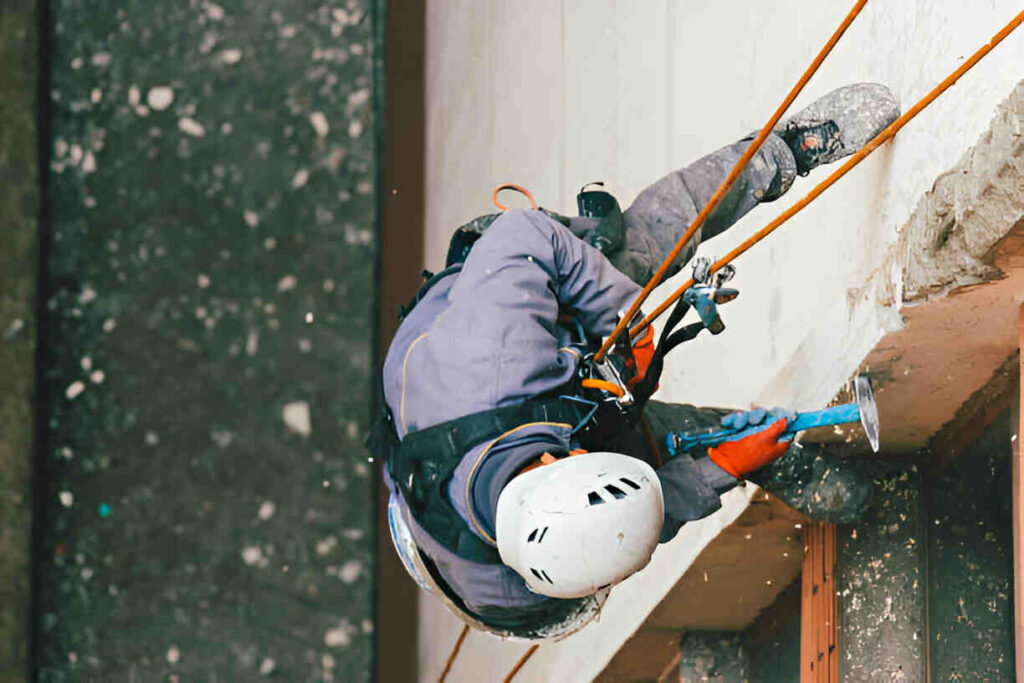
Is Being an Electrician Hard? Learn the Real Facts Introduction If you want to become a driver, is being an electrician hard? Electricians do more than fix wires and put in plugs. They make sure that homes are safe, that power systems work right, and that business equipment works well. But that kind of duty comes with mental, physical and technological responsibilities. This piece goes into detail about the real problems and perks of the job to help you decide if it’s the right choice for you. What Does an Electrician Do? Electricians build, manage, and fix electrical systems in homes, businesses, and factories. Their day-to-day tasks may include: Plugs, lines, and circuit switches are being put in. Making plans for how to set up the power in new buildings Getting power issues fixed Putting in lights and safety gear Reading and drawing building plans and guidelines This wide range of skills is why many people wonder: is being an electrician hard? The Physical and Safety Demands of the Job Physical Strain You’ll have to stand for a long time, climb stairs, and move big things around as part of the job. It may be necessary to lift wire reels or navigate through roof crawl spaces, both of which can be challenging tasks. Safety Risks Electricians work with live wires and equipment that move a lot of power. The possibility of arc flashes, being shocked and falling is a very real possibility. According to the United States Department of Labour, welders have a higher risk of dying on the job as a result of electrocution than other workers. Bureau of Labour Statistics. A lot of knowledge about safety rules, PPE and safe tools is needed to stay safe and not get hurt badly. The Learning Curve: Apprenticeship & Technical Knowledge Apprenticeship Requirements A paid internship that includes both classroom and on-the-job training is how most electricians get their start. This Electrician Apprenticeship usually lasts four to five years (8,000 to 10,000 hours) of work and study under close supervision. Technical Complexity It takes a lot of hard work to learn electrical theory, the National Electrical Code (NEC), and local building codes. A lot of apprentices think the teaching part is just as hard as any college course. Still, a lot of people think that internships are a better way to learn than a standard four-year degree. Mental and Problem-Solving Demands Electricians have to fix a lot of problems that are hard to fix. When you work with old systems, lost lines, or busy circuits, you need to be able to think critically. There is no room for error in electrical work (trdsf.com). Key Mental Demands: Being able to read wiring and building plans Getting energy formulas and load numbers The right things to do when you’re stressed Pros and Cons: The Big Picture Pros: Job Stability & Demand — Builders and people who do routine repairs always need electricians. Good Pay — Journeymen electricians and electricians who work for themselves usually make good pay. Variety — Every day, work changes between different projects and places. Path to Advancement — You can become an electrician, start your own business, or even work your way up to being a master electrician boss. Cons: Physically Demanding — Long hours, odd angles and a lot of heavy lifting. Risk of Injury — Gets an electric shock, falls and gets burned. Long Training Period — With an apprenticeship, you might not get paid fully for years. Constant Learning — As codes change, electricians need to keep up with them. Is Being an Electrician Hard? It Depends on You Your experience will vary depending on: Physical Fitness — Are you ready for harsh conditions? Learning Style — Can you learn scientific things and codes quickly? Tolerance for Risk — Do you follow safety rules all the time? Problem-Solving Skills — Do you like solving problems when time is tight? Many electricians say that their job is difficult but not impossible, fulfilling, and a good option for going to college. How to Prepare for a Career as an Electrician Apply for apprenticeships: Look for programs offered by ABC, IBEW/NECA, or union-sponsored initiatives. Brush up on basics: Concentrate on reading technical schematics, physics and mathematics. Gain physical stamina: Light lifting is a good way to begin conditioning. Commit to safety culture: Early on, learn PPE and safe work procedures. Start with hands-on: Practice wiring outlets and switches using kits. Conclusion So, is being an electrician hard? Yes, but difficult does not equate to impossible. The profession requires technical proficiency, mental acuity, safety awareness and physical stamina. However, it also provides employment satisfaction, stability and financial benefits. The rewards are worthy, and the hurdles are doable with the correct mindset and training. FAQs Q1. Is becoming an electrician physically demanding? Yes, it often entails lifting, crawling, climbing, and long hours of labor, all of which call for strength and endurance. Q2. What is the duration required to become an electrician? Usually lasting four to five years, with between 8,000 and 10,000 hours of classroom instruction and apprenticeship. Q3. Do electricians put their lives in danger while working? Electric shock, burns, and falls are real risks, but they are kept to a minimum by strict safety rules and training. Q4: Does being an electrician take more work than college? Although it still requires commitment, many apprentices claim that since it is more hands-on, it is less psychologically demanding than a four-year degree.
Plumber Pasadena: Cost, Services and What to Expect
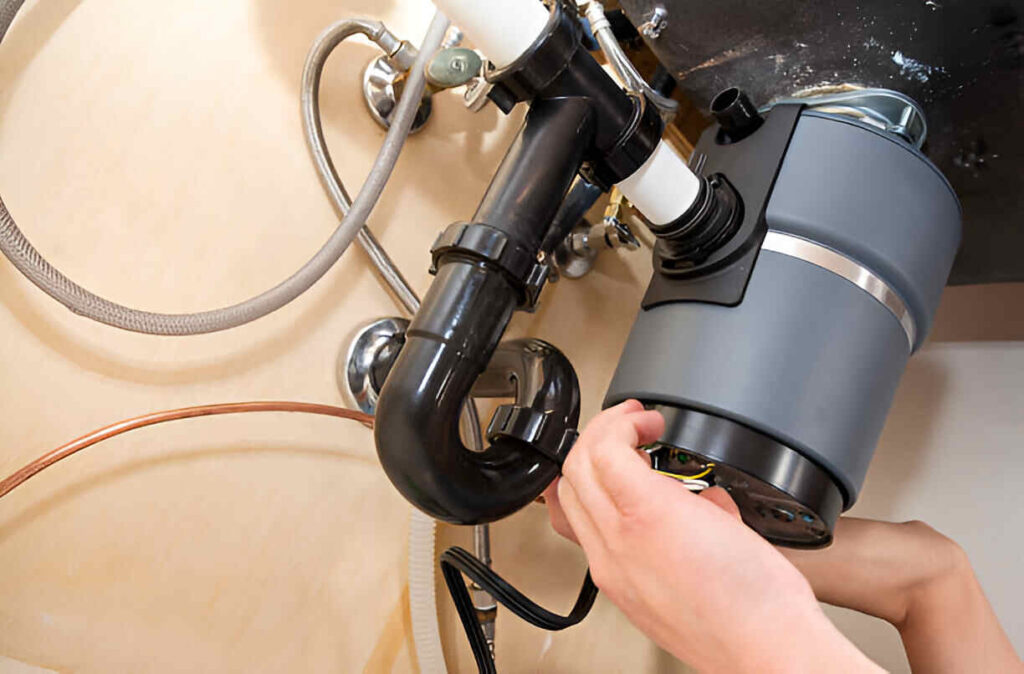
Plumber Pasadena: Cost, Services and What to Expect Introduction People in Pasadena often have plumbing problems, like taps that drip, drains that get stuck or whole bathroom improvements that need plumbing knowledge and awareness. People and companies in Pasadena depend on the term “plumber” to find a wide range of services. This complete guide will tell you how much plumbers in Pasadena, CA, usually charge, what services they offer, and what you can expect from them. Why Hire a Professional Plumber in Pasadena? Plumbing problems caused by sewage may seem to be fixed with short-term fixes, but these methods often don’t get rid of the real problem. So the same problems keep happening. They are not helpful for more minor concerns. You usually need the tools training and knowledge that only a professional can provide. Plumbers in Pasadena know how to meet the specific needs of older houses and follow city rules. Benefits of Hiring a Licensed Plumber: Accurate diagnostics Long-lasting repairs Code-compliant installations Emergency services Time and cost efficiency in the long run Common Plumbing Services in Pasadena 1. Leak Detection and Repair Water leaks that are difficult to detect can damage your foundation and increase your water bill. Plumber low water pressure experts in Pasadena utilize high-tech tools, including laser and soundtracking devices. 2. Drain Cleaning This is true whether your kitchen sink is running slowly or your sewer line is completely clogged. A professional drain cleaner can clear the pipe quickly and securely. 4. Pipe Replacement and Repiping Instead of zinc lines, copper or PEX pipes should be put in Pasadena homes that are more than 10 years old. 5. Bathroom and Kitchen Remodels Licensed plumbers make sure that your repair meets all city requirements, from installing fixtures to rerouting all of the plumbing. 6. Emergency Plumbing Services For broken lines, water backups, and other pressing issues, many local businesses offer emergency services 24 hours a day, seven days a week. If you own a business and need plumbing services, consider hiring a commercial plumber for large-scale, code-compliant work. Cost of Hiring a Plumber in Pasadena Pasadena plumber prices can change based on the type of service, the size of the job, and the time of day. Average Hourly Rate Standard Hours: $90–$150 per hour Emergency Services: $150–$250 per hour Common Job Estimates Leak Repair: $150–$500 Drain Cleaning: $100–$300 Water Heater Installation: $800–$2,500 Repiping: $3,000–$10,000 Toilet Installation: $150–$400 Tip: Ask the plumber for a price right away and confirm their plumber hourly rate or if they charge a flat rate. What to Expect When Hiring a Plumber Before the Visit Get multiple quotes Check licensing and insurance Read online reviews (e.g., Yelp, Google) During the Visit Clear explanation of the problem Upfront cost estimate Timeline for job completion After the Job Warranty on labour and parts An invoice detailing work done How to Choose the Right Plumber in Pasadena Questions to Ask: Are you licensed and insured in California? Do you offer warranties? Can you provide local references? Is this a flat rate or an hourly charge? Red Flags: Unusually low bids No written contract Poor communication Local Pasadena Plumbing Companies (Examples) Pasadena Plumbing Experts – Known for 24/7 emergency services FlowRight Plumbing Solutions – Great for remodels and repiping Crown City Plumbing – Offers upkeep plans and prices that are cheap Before hiring someone, you should always check reviews on outside sites. Conclusion If you live in Pasadena and need to fix your plumbing you should hire a plumber. Know the prices and services for any repair no matter how big or small it is. This will help you make smart decisions. Select a qualified plumber with extensive experience and positive reviews to ensure the safety of your home and business. Frequently Asked Questions (FAQs) 1. How much do Pasadena plumbers charge? Plumbers in Pasadena charge between $100 and $300 per hour, depending on the service, the level of urgency, and the level of expertise required. 2. Does Pasadena provide emergency plumbing? Yes, many Pasadena plumbers offer 24/7 emergency services for burst pipes, sewage backups, and major leaks. Emergency services often cost $50 to $200 more than the hourly rate. 3. What plumbing services can Pasadena plumbers offer? Most Pasadena plumbers provide several services: Unclogging drains Leak detection and repair Installing and fixing water heaters Inspections of sewer lines Installing faucets, toilets, sinks Repair/replace trash disposal 4. How do I pick the best Pasadena plumber? To find a good plumber, look for one who is licensed and protected. Check out reviews on sites like Yelp and Angi. Ask for clear prices and figures in writing. Make sure the plumber knows about the problem you’re having. References California Providing Plumbing Services HomeAdvisor RotoRooter 24/7 Emergency Plumbers Pasadena, CA
Professional Handyman Las Vegas Services for Home Repairs
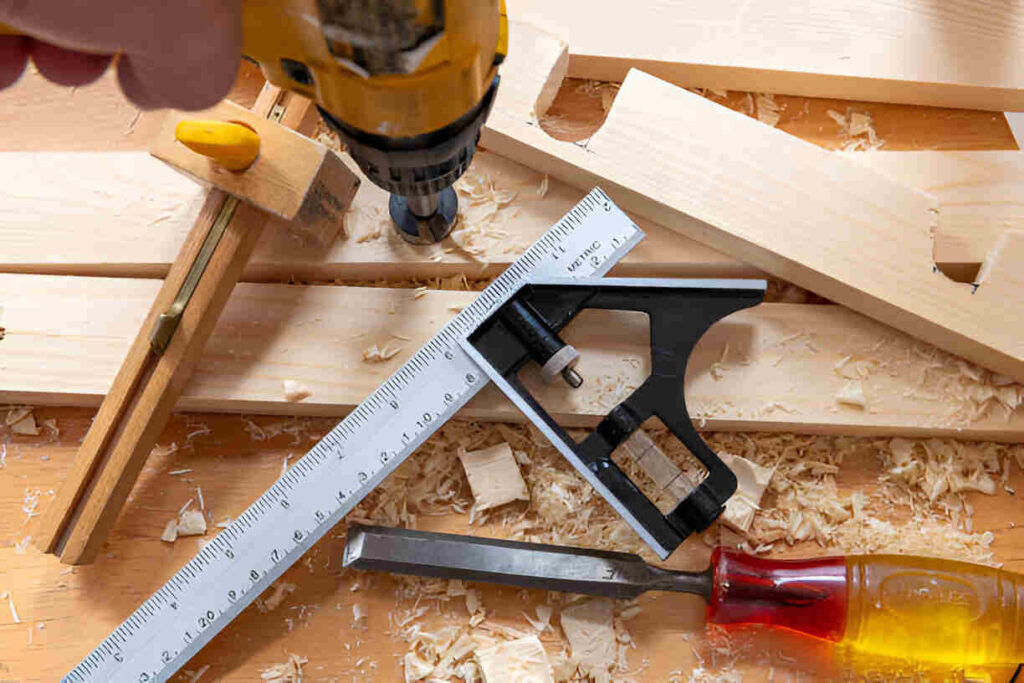
Professional Handyman Las Vegas Services for Home Repairs Having a reliable handyman is extremely important for maintaining your home in great shape and enhancing it further. If you’re looking for some help with routine maintenance, urgent repairs, or even those home improvement projects, Las Vegas handyman services have got you covered. Hiring a professional handyman Las Vegas can help you save both time and money, but make sure they have insurance, okay? This way, you can feel confident that handyman insurance will take care of any damage or injury that might occur accidentally. What Is a Handyman? There is a lot of leeway in the employment of a handyman. They are capable of doing a wide variety of house maintenance, remodeling and repair work. Handyman services can assist with a wide variety of household tasks that may be difficult for the average person to accomplish on their own. Why Choose Handyman Services in Las Vegas? This energetic metropolis offers a diverse range of housing options, from single-family homes to high-rise apartments. Houses in this region must undergo regular maintenance and repairs to withstand the severe weather conditions. Summers might be scorching, and winters can be moderate. Professional and versatile Las Vegas handyman services can keep your house in perfect shape all year round. Here are some of the reasons why homeowners turn to handyman services in Las Vegas: Wide Range of Services: A skilled handyman can tackle just about anything, as long as it doesn’t involve plumbing, electrical work, woodworking, or home repair! This helps you avoid the hassle of finding several experts. Time and Cost-Effective: Hiring an assistant is often less expensive than hiring separate employees for each task. Because a single specialist may perform multiple functions during a single visit. It can also save you time. Expertise and Tools: It is easy for handymen to make repairs and adjustments because they have the right tools and the necessary know-how. Convenience: Numerous handyman services in Las Vegas allow customers to choose their hours. So they can get their repairs done at their convenience. Types of Services Offered by Handyman Las Vegas When it comes to houses, handymen are skilled specialists capable of performing a wide variety of tasks. Here are some of the things that the majority of handyman businesses in Las Vegas will perform for you: 1. Plumbing Services Dripping taps, clogged sinks, and running toilets are all common but complex plumbing problems. To keep your stuff from getting worse. A handyman who will look at your lines, find problems, and fix them right away. 2. Electrical Services If the wiring trouble is more complex, you should call a professional for help. Even so, a mechanic can fix simple electrical problems, such as replacing light fixtures, installing ceiling fans, or fixing plugs. 3. Carpentry and Woodwork A handyman who knows how to work with wood can make your home look better and work better by doing things like making handmade shelves and fixing broken doors. 4. Home Improvement Projects Handymen can assist with various home improvement tasks, including painting, installing plasterboard, and laying flooring. Hiring a handyman Las Vegas professional can help make sure that your small home improvement job goes smoothly and professionally. 5. Furniture Assembly You bought new furniture, but you need help putting it together. Handymen know how to put together everything from simple office furniture to cabinets. 6. General Home Maintenance If you want your home to last a long time, you need to take care of it regularly. Some of the tasks that handymen can perform include cleaning drains, pressure washing, and sealing windows and doors to keep water and air out. Benefits of Hiring a Professional Handyman in Las Vegas Hiring a handyman Las Vegas professional has several key benefits, including: Comprehensive Service: Hiring a professional helper saves you time and effort, as they can accomplish multiple tasks in one visit. Reliability and Quality: Experienced handymen in Las Vegas are known for their reliability and high-quality work. You can count on the job to be done right, no matter how big or small it is. Insurance and Safety: Trustworthy handyman services have liability protection to protect you in case any damage happens during the job. When working with electricity or pipes, this is very important. Peace of Mind: When you hire a professional, you can be sure that the job will be done right, which will save you money on mistakes and fixes in the future. In Las Vegas, trustworthy handyman insurance should always have the proper protection to protect themselves and the people who hire them. This gives you peace of mind by ensuring that any mistakes or damage that occur during the job are covered. How to Choose the Right Handyman in Las Vegas There are a few things you should think about when hiring a handyman in Las Vegas: 1. Experience and Expertise Before you employ a handyman, you should make sure that they have the expertise and abilities necessary to do the task that you need. It is crucial to locate a handyman whose talents are compatible with your task since there are a lot of handymen who are specialists in particular areas. 2. Licensing and Insurance If necessary, ensure the handyman has a valid license and insurance. This saves you in the event of accidents or job-related damage and ensures that the work is completed according to local regulations. 3. Reputation and Reviews Visit online review sites and get in touch with past customers to get suggestions. Handymen who excel at their craft should have a strong reputation for it. 4. Cost and Estimates Before the work begins, obtain a written quote from the helper and ensure the rates are fair and easy to understand. Do not hire handymen who give you unclear prices or won’t give you a quote upfront. 5. Availability and Flexibility Figure out when the helper can come and work. A lot of handymen have open hours, even on the weekends, so
AC Repair Glendale: Your Trusted Local Service Provider
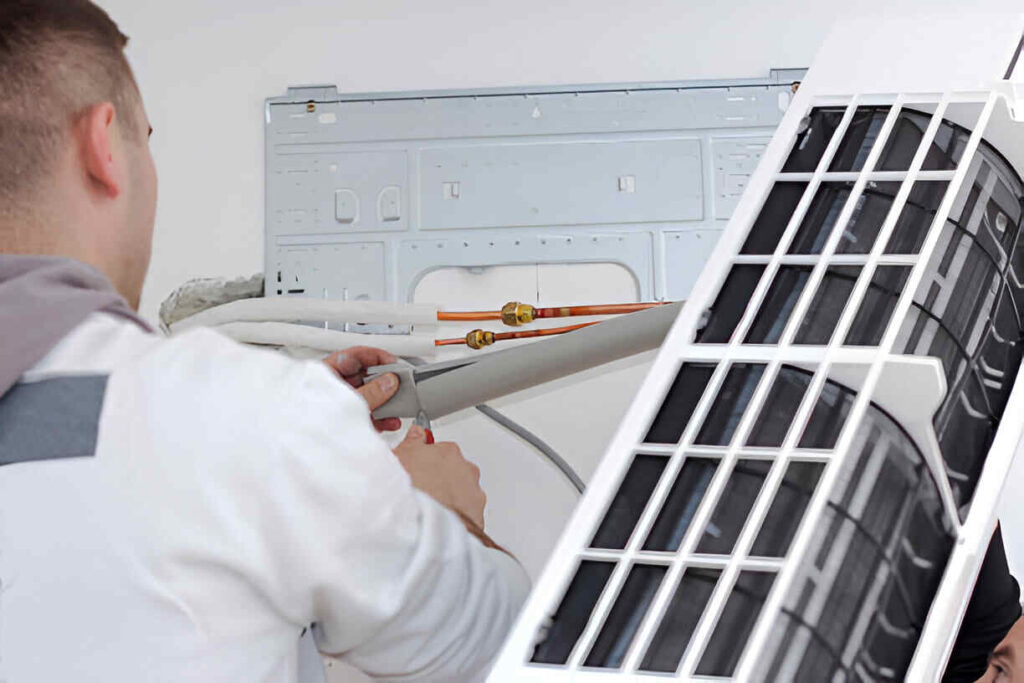
AC Repair Glendale: Your Trusted Local Service Provider As a resident of Glendale and having an AC system that won’t work, you understand the importance of having a trustworthy AC repair service nearby. Whether it’s the sweltering summer heat or a quick breakdown, you need an AC that works well to stay comfortable. This post will teach you all that you need to know about fixing your AC in Glendale. Finding the right service provider and fixing common problems are just a few of the things we can help you with. Why you need to have a professional fix your AC in Glendale It takes a great deal of skill and knowledge to properly diagnose and repair air conditioners, as they are highly complex tools. If your AC unit in Glendale is blowing warm air, making strange noises, or won’t turn on, you need to get it fixed right away. If you get your AC fixed by a professional, it will be fixed right the first time. This will save you money on repairs that will be harder to fix in the future. Signs You Need AC Repair in Glendale Before you can keep your house cool and comfortable, you need to know when your air conditioner needs to be fixed. Sometimes, these things happen with your Glendale AC, which means it needs to be fixed by a pro: Inconsistent or Warm Air: Is the air your air conditioner blows warm or won’t stay cool? It could be a gas leak or a broken motor. Strange Noises: Sounds like clicking, hissing, or grinding generally mean that something is wrong with the way the machine works. Foul Odors: A musty or burnt food smell could indicate that the air filter is dirty or that there is a more significant issue with the electrical system. Water Leaks: If there is excessive water around your AC, it could indicate that the condenser drain is clogged or that there is a leak in the refrigerant system. Frequent Cycling: Your AC might be broken if it keeps turning on and off. It could be the setting or the motor. Cost of AC Repair in Glendale Damage level, AC model, and service provider are a few of the variables that could affect how much it will cost to repair your air conditioner in Glendale. Typical costs for minor repairs range from $150 to $500. It may cost more than $1,000 to fix serious issues, such as replacing the motor or adding gasoline. Sometimes, especially when the cost of repairs is high, people opt to replace everything rather than fix it. If this sounds like you, consider researching the cost of replacing an AC unit and weighing your options. Getting a quote is always a good idea before agreeing to any job. Any Glendale AC repair company will give you a quote for free or charge a small fee to look at your AC. Why Choose Local AC Repair in Glendale? Selecting a local AC repair Glendale service provider offers several advantages: Faster Response Time: When you need fixes the most, local services are better at getting them done quickly. Knowledge of Local Weather Conditions: The weather in Glendale presents its unique challenges, but technicians working in the Area are accustomed to these conditions and can offer customized solutions. Community Trust: Service companies in your Area work hard to keep a good image in your community. For the most part, this means better service and happier customers. How to Choose the Best AC Repair Service in Glendale It can be hard to pick the right AC repair Glendale service when there are so many to choose from. Here are some suggestions that will help you make a smart choice: 1. Check for Certification and Licensing Ensure the company holds the necessary licenses and credentials to perform repairs in Glendale. A reliable service company will possess the required skills and credentials to address a wide range of AC problems. 2. Look for Reviews and Testimonials Online reviews and comments from past customers give you an idea of how good a company’s service is. When looking for an AC repair company in Glendale, look for one that has good reviews and a history of doing good work. 3. Consider Experience Pick a service company that has been in the business for a long time. Technicians with more Experience can handle more complicated AC problems and find good answers faster. 4. Make sure there are emergency services Anytime, an AC unit can break down. If you hire a company that does emergency AC repair in Glendale 24 hours a day, seven days a week, you will never have to deal with the heat for too long. Common AC Problems in Glendale and How to Fix Them Before your AC starts giving you trouble, it’s helpful to know the most common issues that Glendale AC repair technicians fix. These are some: 1. Low Refrigerant Levels One common reason why your AC is blowing warm air is that it lacks sufficient refrigerant. Most of the time, this issue happens when there is a leak in the line that carries the coolant. A worker will find the break, fix it, and then top off the refrigerant levels. 2. Faulty Compressor The most important part of your air conditioner is the motor. If it breaks, your home might not be cool enough. A professional must fix or replace the compressor if it is broken. Getting your home’s air conditioner serviced can cost a lot, but if you do it early, you can avoid having to pay a lot for fixes later on. 3. Dirty or Clogged Air Filters When air screens are dirty, they block airflow, which causes your AC to work harder than necessary. One easy way to keep your AC system running at its best is to clean or change the air filters regularly. 4. Electrical Problems Over time, some of the electrical parts in AC units may wear out or
Handyman Cost to Hang a Door: 2025 Price Guide
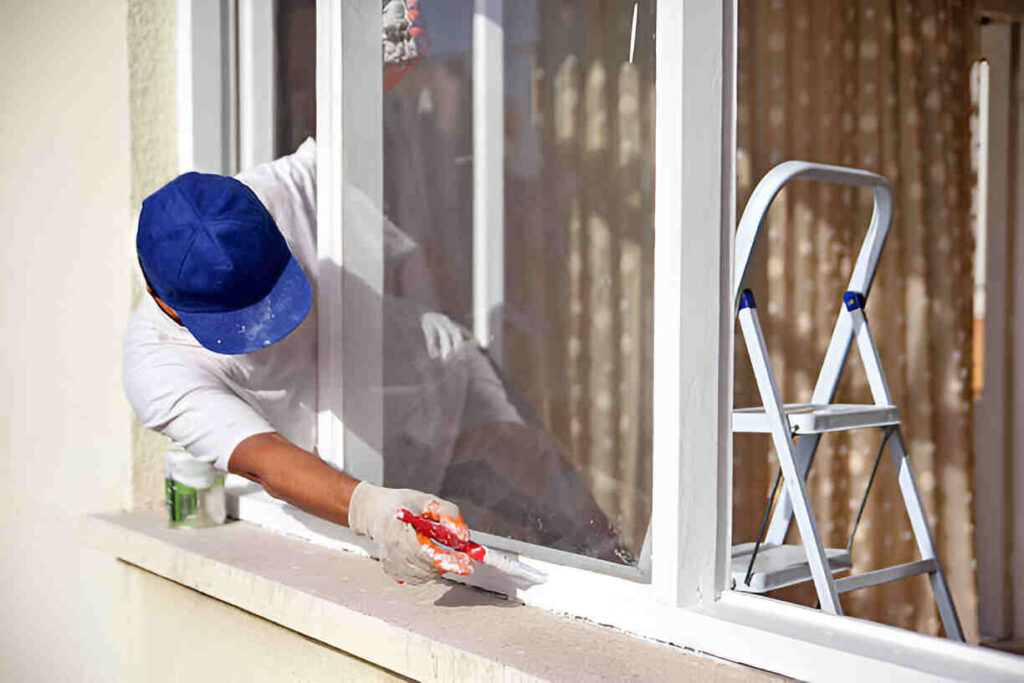
Handyman Cost to Hang a Door: 2025 Price Guide Introduction Whether you’re renovating your home or simply replacing a damaged door, knowing the handyman cost to hang a door can help you plan your budget more effectively. The price can change based on several factors, including the type of door, where you live, and the fitting of any extra gear. This guide to 2025 tells you everything you need to know about how much things will cost, what services are covered, and how to save money. What’s Included in Door Hanging Services? When you hire a helper to hang a door, they usually do the following: Taking off the old door (if needed) Getting the new door ready and in place Putting in locks, buttons, and doors Making changes to get the right fit and swing Making final changes and testing to see if it works For an extra fee, some handymen may also paint or stain the door. Average Handyman Cost to Hang a Door in 2025 According to 2025 data, the cost to hang a door varies from $125 to $450 per door. Key Price Factors: Type of Door: Interior vs. exterior Material: Solid wood, hollow core, steel, glass, etc. Pre-hung vs. Slab: Pre-hung doors are easier to install Location: Urban areas tend to have higher labor rates Complexity: Trim work, frames that aren’t level, or special fits all add to the work. Average Cost Breakdown: Service Description Estimated Cost Interior hollow-core door $125 – $200 Solid wood interior door $200 – $300 Exterior door $250 – $450 French doors or sliding doors $300 – $600 DIY vs. Hiring a Handyman DIY Door Installation Pros: There are cost savings on workers (but not on materials). Being able to set your own pace Cons: It needs tools and some understanding of how to build things Time-consuming Damage or uneven hanging can happen if you make a mistake. Hiring a Handyman Pros: Professional finish and proper fit Saves time and stress Often includes a warranty on labor Tip: To protect yourself from damage or risk that might happen by mistake, only hire professionals who have the right handyman insurance. Cons: Higher upfront cost Scheduling may be limited based on availability Tip: If your door requires extensive cutting or the frame is old and crooked, it’s best to hire a professional. Additional Costs to Consider To figure out how much it will cost for a handyman to hang a door, don’t forget to include these possible extras: Door hardware: $20–$100 Painting or staining: $50–$150 Door frame repair: $75–$200 Disposal of old door: $20–$40 Weather stripping or insulation (for exterior doors): $25–$75 How to Save Money on Door Hanging Services Buy the door yourself: Service companies should not charge markups. Bundle multiple installations: When you hire more than one handyman, they often give you a deal. Prepare the space: Remove old doors and locks to reduce work time. Get multiple quotes: Every time you hire someone, get at least three quotes and compare them. Before they start working, you should always ensure that your handyman has the necessary legal Handyman Insurance. If something goes wrong, it can keep you from having to pay extra money. Conclusion Knowing how much it takes a handyman cost to hang a door can help you make an informed choice, whether you’re putting in a new indoor door or replacing an old outdoor door. It might be cheaper to do it yourself, but choosing a pro almost always ensures a smooth, safe, and quick process. Figure out what’s best for your home improvement job by looking at your income, amount of skill, and time frame. FAQs How much does door hanging cost in 2025? The typical handyman cost to hang a door in 2025 is $125–$450, depending on the complexity of the job. Are external doors costlier to hang? Yes. Exterior doors cost $250–$450 extra due to their weight and the demands for weather sealing. Can I save money by doing it myself (DIY) the door? DIY saves labor but takes time, tools, and talent. Errors may increase repair costs. Which doors are simplest to hang? Most internal hollow-core pre-hung doors are easy to install. Do handymen charge by hour or project? Some handymen charge $40 to $80 per hour, but most charge a flat rate per door. Reference The Spruce – Door Installation Tips
Horizontal Geyser: How They Work & Why Choose Them 2025
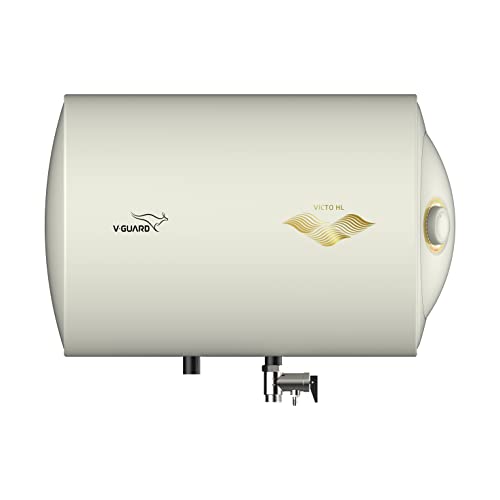
Horizontal Geyser: How They Work & Why Choose Them Introduction There is only one type of water heater called a horizontal geyser. Houses constructed in the contemporary period are typically modest in size and designed to be energy efficient. The design of geysers may vary greatly, with some standing tall and others lying flat. This can be very helpful in homes that don’t have a lot of overhead room or that need certain fittings. This piece will explain how horizontal geysers work, explain why they’re popular, and give you reasons to think about getting one for your home. What is a Horizontal Geyser? A horizontal geyser is a type of water heater in which the tank lies flat on the ground rather than standing upright. This form is suitable for setups that require installation in tight or confined areas. Vertical geysers pose challenges in compact bathrooms or areas with limited ceiling height. Which is why they are often installed beneath tables. Regardless of the type of fountain, the primary function of the horizontal electric geyser is to heat water for home use efficiently. How Does a Horizontal Geyser Work? The way a horizontal geyser works is the same as the way a regular geyser works. From inside the tank, an electric heater raises the water to a certain level. The temperature at which water is stored for future utilization. It is, however, positioned differently from other tanks. Horizontal positioning affects the geyser’s heating element and temperature. The tank performs ideally for the situation. Heating Element: The components responsible for heating geysers are predominantly constructed from materials capable of withstanding elevated temperatures. Thermostat: Once the water temperature is reached, the timer deactivates the heater. Water Tank: This is because the heated water tank keeps the water warm for a longer amount of time using less energy. Why Choose a Horizontal Geyser? A horizontal geyser might be better than a vertical one for several reasons, including: Space-Saving Design Horizontal geysers work best in small areas or places where there isn’t much vertical room. A horizontal geyser may be put in low-ceilinged kitchens or tiny apartments. It fits under tables and in small locations. Efficient Heat Retention Because horizontal geysers are modest tank water is equally distributed. This improves heat retention reducing the need to reheat meals. Aesthetic Appeal Horizontal geysers tend to look cleaner and more modern, which can complement current home designs better. Durability High-quality materials minimize corrosion and wear on horizontal geysers extending their lifespan. Easy Installation A horizontal geyser is usually easier to install than a vertical one, especially when there is limited space or the placement point isn’t in the usual location. Key Benefits of Horizontal Geysers Better Space Utilization People can use the space above or below the geyser because it is horizontal. This makes it perfect for small homes, apartments, or places with limited vertical space. Energy-Efficiency Many horizontal geysers have better protection than other types, which allows them to use less energy. This means that less energy is used, and the power price goes down. Versatility in Placement These geysers may be installed under basement or roof sinks. This simplifies house repair choices. Common Issues and Solutions for Horizontal Geysers There are some advantages to horizontal geysers, but they can be challenging to construct and require specialized care. This is a list of common problems: Pressure Loss: Horizontal geysers might have poor water flow if improperly constructed due to their internal structure. Solution: To guarantee appropriate installation and water flow adjustment, call a plumber for the best results. Insufficient Heating Time: According to some users, it may take a little longer for horizontal geysers to heat the water than for vertical ones. Solution: To speed up the heating process, consider a heater with higher power or more modern heating components. Space Considerations: Although these geysers are small, their horizontal orientation may require more space around them for installation, which could be a problem in certain situations. Solution: Carefully measure the space before purchasing to ensure it will fit perfectly. Horizontal Geyser vs. Vertical Geyser: Which is Better? Both types of geysers have their good points, but the one that you choose will rely on how much room you have and your family’s needs. Space: When there isn’t much vertical room or the roof is low, horizontal geysers work best. Conversely, vertical geysers require greater height but are utilized more frequently. Efficiency: When installed in a specific way, horizontal geysers may use slightly less energy because their heating system is more even. Cost: There is no significant price difference between horizontal and vertical geysers; however, due to their design, horizontal types are sometimes more expensive. How to Choose the Right Horizontal Geyser for Your Home? To pick the right horizontal geyser, you need to know what you want and how much room you have. Here are some essential things to think about: Capacity: Depending on how many people are in your family, pick a waterfall that can hold enough water. Generally, sizes range from 15L to 50L. Energy Rating: Find a pump that has a high grade for how well it uses energy. It will use less electricity if the grade is better. Brand and Warranty: Pick a name with a good reputation that backs up its guarantee with excellent customer service. This gives you peace of mind in case something goes wrong. Installation: Ensure that a professional installs the geyser to avoid potential problems with leaks or poor performance. Conclusion Horizontal geyser are a good way to heat water in modern homes because they occupy little space, use minimal energy, and are aesthetically pleasing. A horizontal geyser can be a great choice if you don’t have much vertical room, want to save money on your energy bills, or want a small water heating system. Frequently Asked Questions (FAQs) What distinguishes horizontal and vertical geysers? Horizontal geyser are ideal for under-counter or low-ceiling installations, as they lay flat in rooms with low ceilings. In contrast
Electric Geyser Tips: Safe Use & Setup Guide 2025
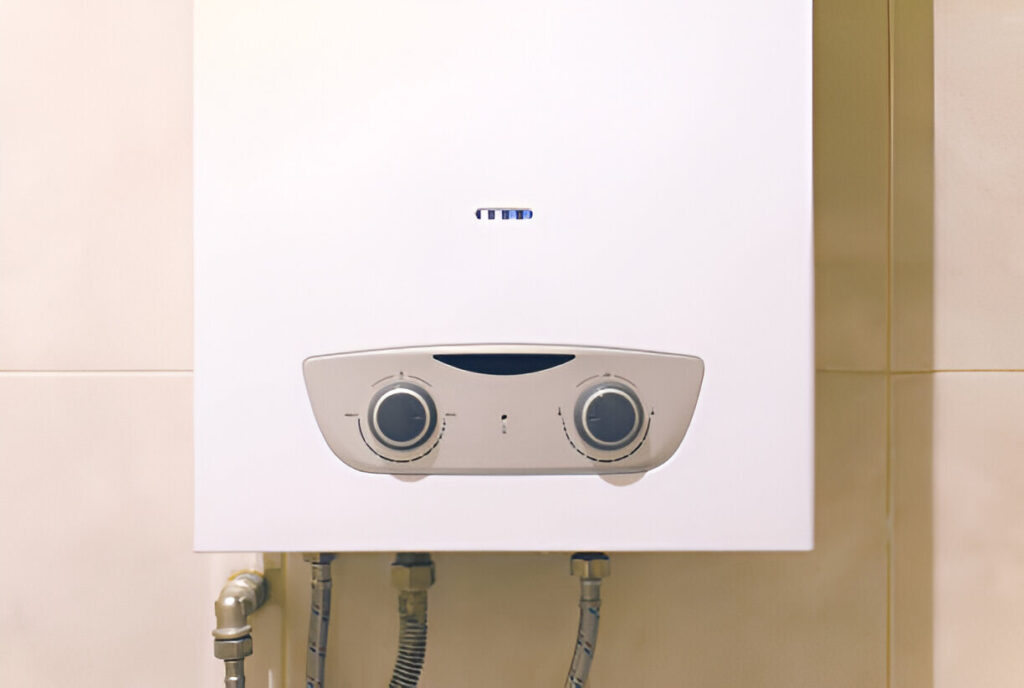
Electric Geyser Tips: Safe Use & Setup Guide 2025 An electric geyser is a valuable home appliance that makes sure there is always hot water. You can stay safe and save a lot of money on your energy bills if you know how to use and put your heater in a safe place. This is true whether you use it to wash your dishes in the winter or to take a shower in the morning. This book includes tips from experts on how to set up an electric geyser, safety rules, ways to save energy, and basic repairs for 2025. Why Choose an Electric Geyser in 2025? Even in the year 2025, electric geysers continue to be a favorite. As a result, instant geysers are gaining popularity. They save energy and provide hot water quickly: With new thermostat-controlled units, you can get instant heat. Small enough to fit in flats and tiny homes Auto-cutoff and anti-corrosion technology are two examples of advanced safety features. Energy.gov says that electric water heaters can be made to use less energy by having options that can be programmed. Key Components of an Electric Geyser Know these about your electric heater’s main parts before you put it together or fix it: Thermostat – sets the temperature of the Geyser Parts Heating element – in charge of heating water Pressure release valve – Keeps pressure from building up Tank – stores hot water Outer casing – guards and insulates the system inside Safe Setup Guide for Your Electric Geyser 1. Choose the Right Location Install in a well-ventilated space Stay away from places where water might splash or get wet. Keep it at a minimum height of 6 feet for optimal water flow. 2. Get Professional Installation To do the work, hire a qualified technician to: Ensure proper earthing and wiring Choose wires and switches with the ISI mark. Confirm compliance with local electrical safety codes. Reference: National Electrical Code 3. Set the Ideal Temperature Recommended temperature: 50°C to 60°C To avoid burning, don’t set it above 65°C. Use temperature regulators for advanced models. 4. Test the Pressure Valve Once a month, release the pressure by hand. Change it out if there are rust or leaky spots. Safety Tips for Daily Use 1. Never Keep the Geyser On Unattended Extended use can: Your power bill will go up. Overheat the device, which can hurt it from the inside. 2. Regularly Check for Leaks Inspect all pipes and joints A leaking electric water heater could indicate internal rust or valve failure 3. Switch Off When Not in Use Especially when there are long breaks To set things to happen automatically, use a bright switch. 4. Avoid Dry Heating Before turning it on, make sure the tank has water in it. Heat that is not wet can damage the heating device. Energy-Saving Tips for 2025 Insulate the water tank to reduce heat loss Install low-flow showerheads to minimize hot water usage Use solar-assisted electric geysers for hybrid savings Upgrade to energy star-rated geysers As per Energy Star, energy-efficient heaters can reduce utility bills by up to 30% annually. Troubleshooting Common Electric Geyser Issues Problem Possible Cause Solution Water not heating Faulty thermostat or element Replace faulty part No power supply Tripped circuit or wiring Check breaker, call electrician Water leakage Rusty tank or valve failure Replace tank or tighten fittings Unusual noises Sediment buildup Flush the tank regularly Innovative Features to Look for in 2025 If you’re planning to buy or upgrade, consider these features: WiFi-enabled geysers for remote control Smart timers for scheduled heating Anti-scale coating for stiff water resistance LED indicators for system status Comparison with Other Heating Solutions Feature Electric Geyser Gas Geyser Solar Heater Cost Moderate Low High upfront Maintenance Low Medium Low Eco-Friendliness Moderate Low High Heating Speed Fast Fast Moderate Safety High Moderate High Final Thoughts The right way to install and use an electric geyser will not only give you hot water, but it will also protect your house and save you money on energy costs. Your service will always be on if you follow the steps and tips in this 2025 guide. You’ll also save money on power and not have to pay for fixes. Electric Geyser FAQs – 2025 Guide The electric geyser: how does it work? Electric geysers heat water using an electric heating element. For efficiency and safety, it usually has a thermostat, insulated tank, and safety valve. Electric geysers use how much power? A basic electric geyser uses 1.5 to 3 kWh per hour, depending on power and water demand. Using a thermostat and turning it off when not in use may save electricity. Are electric geysers safe to leave on 24/7? Not recommended. Constantly running an electric geyser may cause overheating, component wear, and increased power costs. For energy efficiency, please turn it off after usage or use a timer or smart plug. What temperature should my electric geyser be? Electric geysers should be between 50°C and 60°C. This prevents scorching, heat efficiently, and saves energy. How long does an electric geyser heat water? A 15–25 liter electric geyser heats water in 10–20 minutes, depending on capacity. Modern types may heat water quicker with increased watts or immediate functionality.