Best TCL Air Conditioners in Pakistan: 2025 Buyer Guide
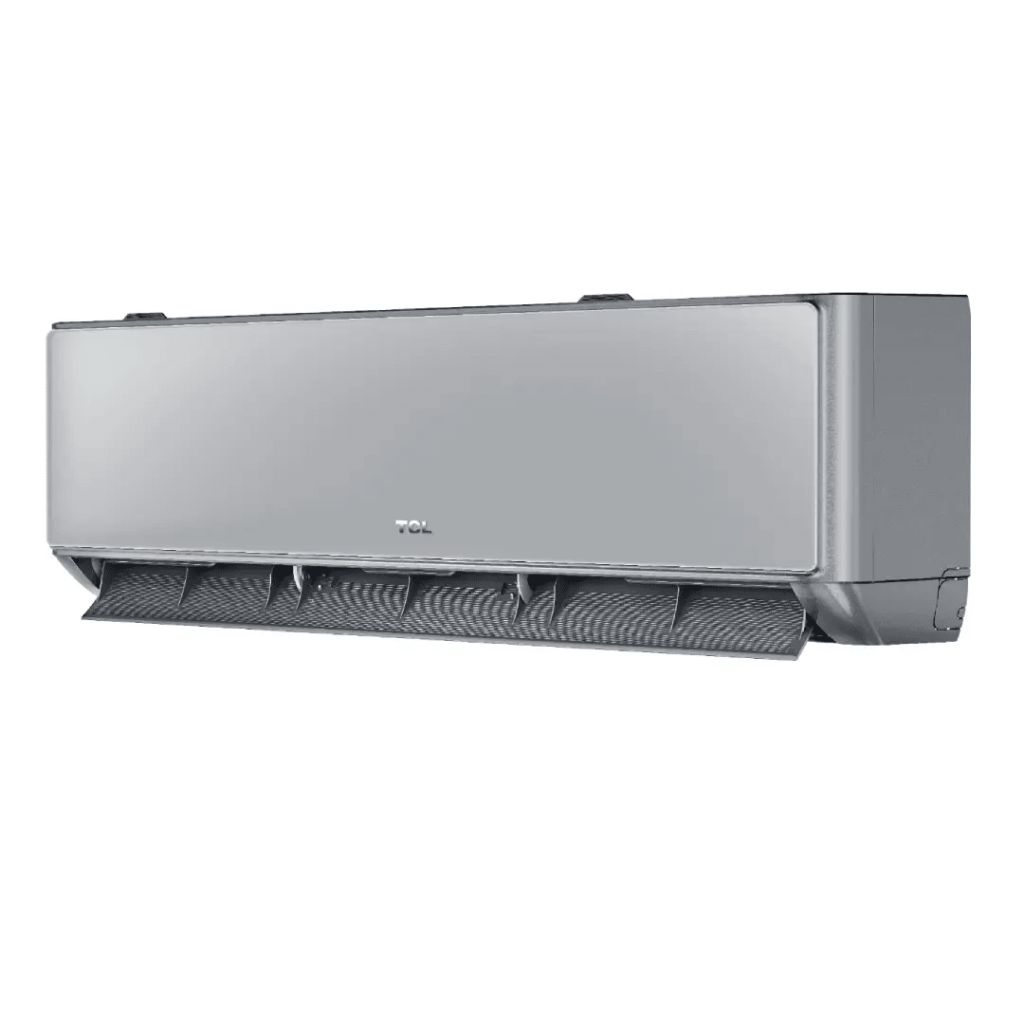
Best TCL Air Conditioners in Pakistan: 2025 Buyer Guide It is very important to choose the right TCL air conditioner for cooling in Pakistan’s hot weather. In 2025, TCL has made a name for itself with a wide range of inverter, smart, and eco-friendly air conditioners that are perfect for people who care about saving energy. This guide goes over all of TCL’s models in detail, including the best ones, their costs, features, and buying advice for people in Pakistan. Table of Contents Why Choose TCL Air Conditioners? Top TCL AC Models in Pakistan TAC‑18T5 FreshIN 3.0 (1.5 Ton) Elite TAC‑18HEG (1.5 Ton) E‑Cool 12E‑COOL (1 Ton) LSI Insights & SERP Analysis Features to Look For Price Ranges & Value Comparison Buying Tips for Pakistani Homes User Experience & Local Reviews Technical Recommendations for Web Publishing Final Verdict FAQs Why Choose TCL Air Conditioners? TCL has gone from being a well-known TV brand to a renowned name in home goods. Trends in Pakistan are moving toward TCL’s smart inverter air conditioners because Energy savings: Some models say that smart inverters can save up to 60% of energy by changing the speed of the fan to keep the temperature stable (TCL, AYS Online, subhanelectronics.pk, TCL Pakistan). Low-voltage resilience: Most types can start up with very low energy, which makes them perfect for places where the power goes out and on (Jala Electronics). Smart features & hygiene: The comfort level is raised by Wi-Fi control, app integration, antibacterial screens, self-cleaning modes, and air filtering (AYS Online). Adaptive cooling: For better comfort, it has a soft breeze that doesn’t blow, 4D airflow, smart sensors, and a quiet mode (TCL). These strengths fit with the main SERP themes of saving energy, using inverter technology, having smart controls, cleaning the air, and being reliable. Top TCL AC Models in Pakistan (2025) TAC‑18T5 FreshIN 3.0 – 1.5 Ton Inverter AC Key Features: The top model from TCL for 2025 has “FreshIN 3.0” technology, which includes clean air, UV-C cleaning, smart sensor integration, an air quality display, and voice and Wi-Fi control (AYS Online, YouTube). Performance: It can handle very high temperatures, cleans itself, cools quickly, and is very quiet (less than 50 dB) (TCL Pakistan). Price: ~₨210,000–220,000 at retail outlets. Elite TAC‑18HEG – 1.5 Ton DC Inverter Key Features: Two spinning compressors, a safe electric box, a low-voltage startup (150 V), fast heating and cooling, 4D airflow, self-cleaning, and an energy savings of about 60% (Jala Electronics, TCL Pakistan). Performance: ~3.05 EER; indoor noise 50 dB, outdoor 56 dB. Price: ~₨145,000–155,000 in July 2025. E‑Cool 12E‑COOL – 1 Ton Inverter Key Features: Energy-efficient, very quiet, supports Wi-Fi, has a green mode and a fast mode, a gold finish to prevent rust, a fireproof case, and low-voltage support (200–1600 V) (TCL Pakistan). Performance: Indoor noise ~41 dB, strong energy credentials. Price: ~₨105,000 in 2025. Features to Look For When choosing a TCL air conditioner, check for: Inverter compressor – saves up to 60% power ( TCL Pakistan, PriceOye, TCL) Low voltage startup – ensures operation even during brownouts (Jala Electronics) Air purification – UV light kills germs, and screens make indoor air healthy. Smart controls – Built-in Wi-Fi, apps, and personal assistants Self-cleaning and filter‑clean reminders – less work on maintenance Fast cooling & Turbo mode – ideal for urgent cooling needs Low noise operation – 45 dB units are used in bedrooms and offices (YouTube, TCL Pakistan, PriceOye) These features make sure that the process is quick, easy, and good for your health, making it perfect for homes and offices in Pakistan. Price Ranges & Value Comparison Model Capacity Price Range (PKR) 12E‑COOL Inverter 1 Ton 105,000 TAC‑18HEG Elite 1.5 Ton 145,000–155,000 TAC‑18T5 FreshIN 3.0 1.5 Ton 210,000–220,000 These are better than related products from Dawlance, Haier, Gree, and others (TCL Pakistan, MGC, subhanelectronics.pk). People in the cheap, mid-range, and high-end price ranges all like TCL. Buying Tips for Pakistani Homes Match capacity to room size: 1 ton for ~120–150 sq ft; 1.5 ton for 160–250 sq ft; 2 ton for larger living spaces. Check warranty: One year on parts, four years on PCBs, and ten years on compressors from TCL (TCL Pakistan). Consider power stability: Homes that get frequent drops should use low-voltage types. Opt for smart control: Setting up is easy because it works with Wi-Fi and voice commands. Prioritize health features: Homes in dirty towns can get UV and antibacterial screens. Factor in after-service: Check to see if there are any approved service shops in your area. Also, always factor in potential maintenance costs. ACs may run smoothly for years, but issues like refrigerant leaks can occur, especially in older or poorly serviced units. If you’re wondering how much does it cost to repair a leaking AC unit?, prices can vary depending on the type of gas used, the extent of the leak, and labor charges in your local area. User Experience & Local Reviews Online reviews highlight: Fast cooling in hot regions (Lahore, Karachi) Quiet sleep modes praised by families Energy bill savings in inverter models Minor complaints: App connectivity is occasionally unstable TCL users in Pakistan say that the company is getting more trusted, performing well, and being a good deal. Final Verdict In Pakistan, TCL air conditioners have a great mix of features, price, and new ideas. The 12E-COOL is great for rooms that aren’t very big. The Elite line has great performance and economy, but the FreshIN 3.0 stands out because it cleans the air better than any other model, but it costs more. TCL has choices for everyone, whether you’re on a budget or looking for smart technology. Just make sure it’s the right size, look for help after the sale, and spend money on the safety and comfort features that matter the most to your family. Stay cool in 2025 with TCL’s newest and best! Frequently Asked Questions Q1: Is TCL AC energy-efficient in 2025? A: Yes, its inverter types are said to use up to 60% less energy than fixed-speed units. Q2: Can TCL ACs handle
GE Window Air Conditioner: Full Guide & Key Features
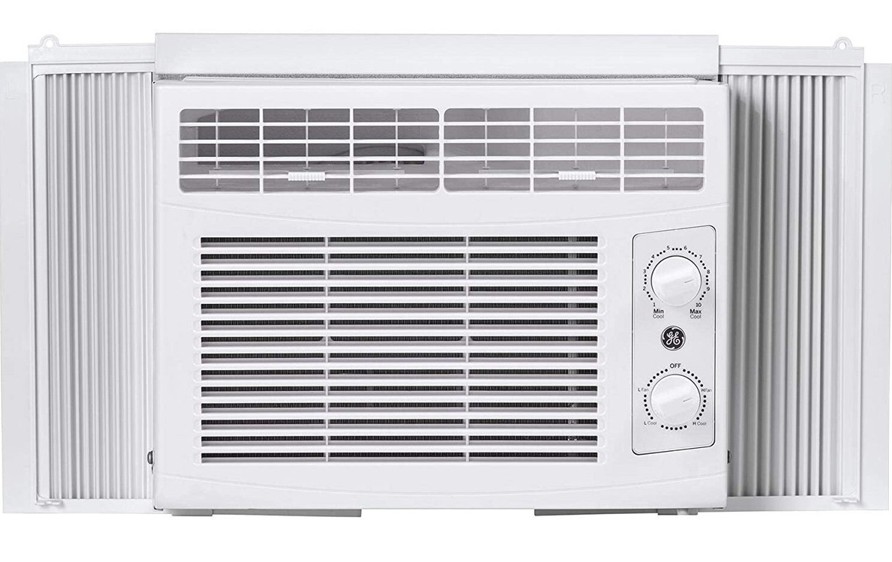
GE Window Air Conditioner: Full Guide & Key Features Introduction When the temperature rises, you need an air conditioner that you can count on. The GE window air conditioner is one of the best on the market. This air conditioner is known for being long-lasting, effective, and having unique features. It can cool homes and businesses effectively. Many people also compare it with the Haier Portable AC which offers similar efficiency and flexibility for smaller spaces. This guide will tell you everything you need to know about GE window air units, such as their features, how to install them, how to keep them in good shape, and how to save money on energy costs. Why Choose a GE Window Air Conditioner? 1. Trusted Brand GE Products is a well-known American name that has been making high-quality home products for many years. Their air units keep up the practice of being long-lasting and new. 2. Energy Efficiency The majority of GE window air conditioners are Energy Star certified, which means they are energy efficient and may help you save money on your power costs. Seek for appliances that have programmable thermostats and energy-saving setting options. 3. Smart Features Lots of models work well with Wi-Fi and voice assistants such as Alexa and Google Assistant. With your smartphone, you can easily control your GE window air conditioner from anywhere! 4. Multiple Sizes and Capacities With models available from 5,000 BTU up to over 24,000 BTU, GE has you covered whether you need to chill a tiny bedroom or a spacious living room. Key Features to Look For 1. Digital Thermostat It lets you fine-tune the room’s temperature, which makes it more comfortable and saves electricity. 2. Remote Control Making changes from a distance is easy because it’s right there at your fingers. 3. Sleep Mode It saves electricity without sacrificing comfort by automatically adjusting the temperature for a good night’s sleep. 4. Eco Mode When the room attains your preferred temperature, switch off the fan and compressor. 5. Washable Filters Reusable filters reduce maintenance costs and improve air quality. 6. Quiet Operation GE window AC units are quiet and ideal for bedrooms and workplaces. Installation Guide Tools Needed: Screwdriver Level Measuring tape Weatherstripping (optional for sealing gaps) Step-by-Step Installation: Measure your window to ensure the AC will fit. Install side panels and secure them with screws. Position the unit in the window, resting on the windowsill. Lower the window sash to secure the unit in place. Screw in brackets for extra stability. Seal gaps around the unit with weather stripping. Plug in the unit and turn it on. Window AC Unit Installation Cost Installing a window AC unit can be done by a professional for $100 to $300, based on how hard it is and where it is located. Hiring a competent professional ensures a perfect match and top-notch results. Maintenance Tips Clean or replace filters every 30 days. Use a wet cloth to clean the outside of the car. Inspect for ice buildup, which can indicate airflow problems. Store properly in winter if the unit is seasonal. Schedule annual service if you use the AC year-round. Standard Models and Prices (2025) Model BTU Room Size Price Range AHEC05AC 5,000 Up to 150 sq ft $180 – $230 AHEK10AC 10,000 Up to 450 sq ft $300 – $400 AHE24DZ 24,000 Up to 1,500 sq ft $600 – $800 Final Thoughts With a GE window air conditioner, you can be sure that your home will stay cool. GE units are a safe bet when it comes to comfort and price. They come in many styles to match any room, and many of them have current features to make them more useful. Make sure the BTU number fits the space you have, and keep the unit in good shape to get the most out of it. Frequently Asked Questions Q1: What is the lifespan of a GE window air conditioner? A: GE units typically survive 8–12 years when properly maintained. Q2: Can I handle my window air conditioning installation? A: The majority of models are made to be installed yourself using simple tools. Q3: Are GE units covered under warranty? A: The majority do have a limited guarantee of one year, while other items offer more extended protection. Q4: How frequently should the filter be cleaned? A: For optimal effects, clean the filter once a month. Q5: How energy-efficient are GE window air conditioners? A lot of them have eco-friendly settings and are rated Energy Star. Reference GE Appliances
AC Leaking Water? Causes & Repair Cost in Islamabad 2026

Water dripping from your indoor AC unit onto the wall, floor, or worse — your bed — is one of the most common AC complaints in Islamabad every summer. The good news: it’s usually a cheap fix. The bad news: ignoring it damages your wall paint, furniture, and eventually the AC itself. Here’s what causes it and what repair actually costs. Why Your AC Leaks Water — 6 Real Causes 1. Blocked drain pipe (most common — 70% of cases)Your AC removes humidity from the air, and that water exits through a drain pipe. Dust, sludge, and even insects block this pipe over time, and water backs up into the indoor unit until it overflows. Islamabad’s dusty dry season makes this blockage faster. 2. Dirty air filtersClogged filters restrict airflow, which makes the cooling coil too cold and freeze. When the ice melts, it produces more water than the drain tray can handle. 3. Low refrigerant gasLow gas also causes coil freezing — same melting-overflow result. If your AC is leaking AND cooling poorly, gas is the likely culprit. 4. Wrong installation slopeThe indoor unit must tilt very slightly toward the drain side. If installed level or tilted wrong, water pools and drips from the body. Common with cheap installations. 5. Broken/cracked drain trayThe plastic tray under the coil cracks with age; water then drips straight through. 6. Outdoor unit pipe issues (split ACs)If the drain pipe outlet is bent upward or crushed, water can’t exit. AC Water Leakage Repair Cost in Islamabad (2026) Repair Approx. Cost (PKR) Drain pipe cleaning/unblocking 1,000 – 2,000 Full AC service (fixes most leakage) 1,500 – 2,500 Drain tray replacement 1,500 – 3,000 Gas leak repair + charging 5,000 – 9,000 Re-installation (slope correction) 2,500 – 4,000 Most leakage cases are resolved within a standard service visit. Can You Fix It Yourself? Two things are safe to try before calling anyone: Clean the filters — open the front panel, remove filters, wash with water, dry, reinstall. Takes 10 minutes. Check the drain pipe outlet (outside the wall) — if it’s bent, crushed, or blocked at the mouth, straighten/clear it. If water still leaks after both, the blockage is deeper in the pipe or the cause is gas/tray related — that’s a technician job. Poking wires into the drain pipe yourself often pushes the blockage deeper. Don’t Delay — What Leakage Damages Wall paint and plaster (dampness spreads fast) The AC’s own PCB if water tracks toward electronics Wooden furniture and flooring beneath the unit Coil corrosion if freezing repeats for weeks By the way — if your AC also cools poorly at normal settings, check our best AC temperature guide to rule out settings issues first. AC Leakage Repair in Islamabad — Same Day Muhammad Technical Services fixes AC water leakage across Islamabad — drain cleaning, tray replacement, gas check, and slope correction, usually in a single visit. Our technician diagnoses the actual cause first, so you don’t pay for gas charging when the problem was a 1,000-rupee drain cleaning. 📞 Book now Frequently Asked Questions AC se paani kyun tapakta hai? Sab se common wajah drain pipe ka block hona hai — 70% cases mein yehi masla hota hai. AC leakage theek karwane ka kharcha kitna hai? Islamabad mein drain cleaning PKR 1,000–2,000 aur full service PKR 1,500–2,500 mein ho jati hai. Kya AC leakage khud theek kar sakte hain? Filter dho kar aur bahar wali drain pipe check kar ke dekh lein — masla rahe to technician bulayein.
Window AC Unit Installation Cost in 2025: A Complete Guide
Window AC Unit Installation Cost in 2025: A Complete Guide Lots of people want window air conditioners (ACs) that work well in the summer when it’s really hot outside. But there are costs and things to think about when you put in a window air conditioner. In 2025, the cost of Window AC Unit Installation will depend on the size of the unit, how hard it is to install, and the price differences between locations. How much does an AC unit in a window cost to install? This book tells you everything you need to know. You’ll learn what makes prices change and how to make the best decision for the least amount of money. Understand the Basics of Window AC Unit Installation The window AC unit Installation is a popular choice among many homeowners since it is not only straightforward to set up but also quite affordable. Placement of the air conditioner inside the window frame, verification that it is secure, and connection of the air conditioner to the power supply are the processes involved in the process of installing an air conditioner in a window. However, the cost of installing a window air conditioner in 2025 can be very different from what it is now due to the many factors that are involved because there are a lot of different scenarios that may occur. The kind of unit, the amount of money spent on labor, and any other modifications that are considered to be essential are some of the things that fall under this category. Factors Affecting Window AC Unit Installation Costs in 2025 1. Size and Capacity of the Unit Some of the most important things that decide how much it costs to install a window AC unit are its size and capability. Window air conditioners come in different sizes, which are based on their cooling ability, which is measured in British Thermal Units (BTUs). Both the buying price and the installation cost of bigger units that can cool bigger areas are usually higher. Small Units (5,000-7,000 BTUs): Installation costs typically fall within the range of $150 to $250, making it appropriate for small rooms. Medium Units (8,000-12,000 BTUs): Prices range from $250 to $400 for fitting. It’s best for rooms that are about normal size. Large Units (14,000-18,000 BTUs): Installation costs can vary from $400 to $600 or more, making them most suitable for larger rooms or open spaces. 2. Labor and Installation Complexity The cost of labor is another important factor in installing a window AC unit. There are times when Installation is more straightforward. Still, it might need more work in some areas, like strengthening the window frame, making sure the unit is sealed correctly, or adding electricity work to the unit. A big part of figuring out the total cost is how complex the Installation is. Basic Installation: If the window frame is already appropriate for the AC unit, the Installation could be as low as $100. Advanced Installation: The cost of Installation might range anywhere from $250 to $500, depending on whether structural changes or extra electrical work are necessary. 3. Additional Costs (Electrical Work and Modifications) In some cases, you might need to pay for wiring work to make room for your new window AC unit. For example, older homes may need an updated electrical outlet or circuit to handle the AC unit’s higher power needs. This extra work can make the service cost more total. Electrical Upgrades: Electrical upgrades typically cost between $100 and $500, with the exact amount being determined by the degree of difficulty of the modifications that are necessary. 4. Brand and Model of the AC Unit The brand and type of air conditioner you choose will also change how much it costs to install. Some high-end brands with complicated features may charge extra for fitting because they need specific knowledge to set up. On the other hand, equipment that is easy on the wallet may not need as much skilled labor, so it may cost less to install. Premium Brands: Installing units manufactured by companies such as Carrier or LG is often a more complicated operation, and the associated costs can run anywhere from $300 to $600. Budget-Friendly Brands: Most brands, like Frigidaire or GE, are easy to install and cost between $150 and $250. 5. Location and Regional Price Variations Window AC unit installation costs can also vary significantly depending on where you live. At the same time, locations with lower labor rates may have lower installation costs. Those with higher living expenses or labor that requires more specialized skills may have higher installation prices. Urban Areas: The cost of labor is often greater in urban or metropolitan areas. Therefore, the cost of Installation may be on the higher end of the spectrum in these areas. Rural Areas: Labour rates may be lower in rural or suburban areas, which may result in a reduction in the overall installation cost. Average Window AC Unit Installation Cost in 2025 In 2025, window AC unit installation costs typically fall within the following ranges: Basic Installation (5,000-8,000 BTUs): $150 to $300 Medium Installation (9,000-12,000 BTUs): $250 to $450 Advanced Installation (14,000+ BTUs): $400 to $700 The window air conditioning unit Installation typically costs between $300 and $1,100, taking into account the cost of the unit itself as well as any extra labor that may be required. On the other hand, this might change based on the degree of difficulty of the Installation as well as the aspects that were discussed before. How to Reduce Window AC Unit Installation Costs While the installation cost of a window AC unit can seem steep, there are several ways to lower your expenses: Choose the Right Size: If you make sure you buy the right size unit for your space, you can avoid having to do extra work during Installation and save money on energy costs over time. Install During Off-Peak Seasons: When demand is low during the off-season, usually in the autumn
AC Repair Glendale: Your Trusted Local Service Provider
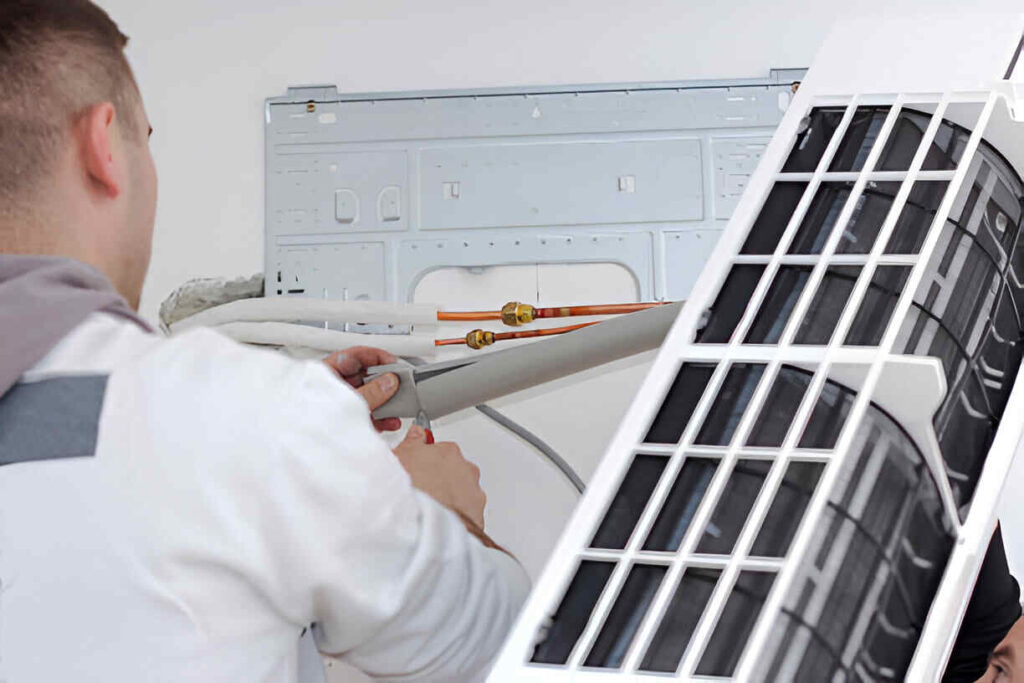
AC Repair Glendale: Your Trusted Local Service Provider As a resident of Glendale and having an AC system that won’t work, you understand the importance of having a trustworthy AC repair service nearby. Whether it’s the sweltering summer heat or a quick breakdown, you need an AC that works well to stay comfortable. This post will teach you all that you need to know about fixing your AC in Glendale. Finding the right service provider and fixing common problems are just a few of the things we can help you with. Why you need to have a professional fix your AC in Glendale It takes a great deal of skill and knowledge to properly diagnose and repair air conditioners, as they are highly complex tools. If your AC unit in Glendale is blowing warm air, making strange noises, or won’t turn on, you need to get it fixed right away. If you get your AC fixed by a professional, it will be fixed right the first time. This will save you money on repairs that will be harder to fix in the future. Signs You Need AC Repair in Glendale Before you can keep your house cool and comfortable, you need to know when your air conditioner needs to be fixed. Sometimes, these things happen with your Glendale AC, which means it needs to be fixed by a pro: Inconsistent or Warm Air: Is the air your air conditioner blows warm or won’t stay cool? It could be a gas leak or a broken motor. Strange Noises: Sounds like clicking, hissing, or grinding generally mean that something is wrong with the way the machine works. Foul Odors: A musty or burnt food smell could indicate that the air filter is dirty or that there is a more significant issue with the electrical system. Water Leaks: If there is excessive water around your AC, it could indicate that the condenser drain is clogged or that there is a leak in the refrigerant system. Frequent Cycling: Your AC might be broken if it keeps turning on and off. It could be the setting or the motor. Cost of AC Repair in Glendale Damage level, AC model, and service provider are a few of the variables that could affect how much it will cost to repair your air conditioner in Glendale. Typical costs for minor repairs range from $150 to $500. It may cost more than $1,000 to fix serious issues, such as replacing the motor or adding gasoline. Sometimes, especially when the cost of repairs is high, people opt to replace everything rather than fix it. If this sounds like you, consider researching the cost of replacing an AC unit and weighing your options. Getting a quote is always a good idea before agreeing to any job. Any Glendale AC repair company will give you a quote for free or charge a small fee to look at your AC. Why Choose Local AC Repair in Glendale? Selecting a local AC repair Glendale service provider offers several advantages: Faster Response Time: When you need fixes the most, local services are better at getting them done quickly. Knowledge of Local Weather Conditions: The weather in Glendale presents its unique challenges, but technicians working in the Area are accustomed to these conditions and can offer customized solutions. Community Trust: Service companies in your Area work hard to keep a good image in your community. For the most part, this means better service and happier customers. How to Choose the Best AC Repair Service in Glendale It can be hard to pick the right AC repair Glendale service when there are so many to choose from. Here are some suggestions that will help you make a smart choice: 1. Check for Certification and Licensing Ensure the company holds the necessary licenses and credentials to perform repairs in Glendale. A reliable service company will possess the required skills and credentials to address a wide range of AC problems. 2. Look for Reviews and Testimonials Online reviews and comments from past customers give you an idea of how good a company’s service is. When looking for an AC repair company in Glendale, look for one that has good reviews and a history of doing good work. 3. Consider Experience Pick a service company that has been in the business for a long time. Technicians with more Experience can handle more complicated AC problems and find good answers faster. 4. Make sure there are emergency services Anytime, an AC unit can break down. If you hire a company that does emergency AC repair in Glendale 24 hours a day, seven days a week, you will never have to deal with the heat for too long. Common AC Problems in Glendale and How to Fix Them Before your AC starts giving you trouble, it’s helpful to know the most common issues that Glendale AC repair technicians fix. These are some: 1. Low Refrigerant Levels One common reason why your AC is blowing warm air is that it lacks sufficient refrigerant. Most of the time, this issue happens when there is a leak in the line that carries the coolant. A worker will find the break, fix it, and then top off the refrigerant levels. 2. Faulty Compressor The most important part of your air conditioner is the motor. If it breaks, your home might not be cool enough. A professional must fix or replace the compressor if it is broken. Getting your home’s air conditioner serviced can cost a lot, but if you do it early, you can avoid having to pay a lot for fixes later on. 3. Dirty or Clogged Air Filters When air screens are dirty, they block airflow, which causes your AC to work harder than necessary. One easy way to keep your AC system running at its best is to clean or change the air filters regularly. 4. Electrical Problems Over time, some of the electrical parts in AC units may wear out or
Why Does My AC Compressor Shut Off After 2–3 Minutes?

Why Does My AC Compressor Shut Off After 2–3 Minutes? Common Causes and Fixes If you’re asking yourself, “Why Does My AC Compressor Shut Off After 2-3 Minutes?” you’re not alone. It can be hard to understand and deal with this problem, especially when it’s hot outside and you need your air conditioning the most. In this complete guide, we’ll look at the most common reasons for this short cycling behaviour and give you solutions you can use right away. What Is Short Cycling? This is when your air conditioner turns on and off too often, usually not long after it starts up. It’s called a short cycle. Things are less comfortable, and the system works less well and lasts less long because of this. Setting your setting to the Best AC Temperature can help keep the cooling working well all the time and cut down on short cycles. Common Causes Why Your AC Compressor Shuts Off Quickly 1. Thermostat Issues Faulty Thermostat Placement If you put your thermostat too close to a vent or in direct sunlight, it might send the wrong temperature readings, which would make the compressor turn off before it should. Battery or Wiring Problems Signals sent to the compressor may not be reliable if the batteries are low or the wire is broken. Fix: Either move the heater or get new batteries. Ask a person who works on HVAC to look at the wires. 2. Dirty Air Filter When air filters get clogged, they stop air from moving through the system. This makes it warm and shuts down to protect itself. Fix: Every 30 to 60 days, or as the maker says, change the air filter. 3. Low Refrigerant Levels If there isn’t enough refrigerant, the generator could get too hot and shut down. A leak in the coolant is often to blame. Fix: Have a qualified expert look for leaks, fix them, and then charge the system again. 4. Frozen Evaporator Coils If there isn’t enough movement or refrigerant, the evaporator coils can freeze, which stops the motor. Fix: Lock the doors and let the coils thaw out. Then, check the amounts of refrigerant and oxygen. 5. Electrical Problems If there are loose wires, broken switches, or a battery that doesn’t work right, the compressor may turn off after a short time. Fix: If there are any wiring problems, an HVAC professional should look at them and fix them. 6. Compressor Overheating A fan that gets too hot is usually because the airflow isn’t good, it’s being used too much, or the system is old. Also, to keep your AC from burning, make sure the drain lines are clear on a regular basis. Clogged drain lines can cause moisture to build up and put extra stress on the fan motor. Fix: Clean up around the outdoor unit, make sure there is enough air flow, and set up a system check-up. 7. Oversized AC Unit If your air conditioner is too big for your home, it may cool it down too quickly, turning on and off too often. Fix: Talk to a licensed HVAC professional to find out if your unit is the right size. How to Diagnose the Problem Yourself Some problems need to be fixed by a professional, but there are some things that people can do to fix them themselves. Step-by-Step Diagnostic Checklist Check the thermostat – Look for battery, placement, or settings issues. Inspect the air filter – Replace if it looks dirty. Listen for odd noises – Clicking, buzzing, or humming can signal electrical issues. Observe the compressor cycle – Time how long it runs before shutting off. Examine the outdoor unit – Ensure there’s no debris blocking ventilation. When to Call a Professional If the simple steps to fix the problem don’t work it’s time to call an HVAC expert. It’s helpful to know how much it costs to install a mini split air conditioner before making a choice especially if you want to replace your old system with a ductless one. Professionals can: Perform refrigerant pressure tests Inspect electrical components Diagnose hidden leaks Suggest that the system be upgraded or replaced. Preventative Maintenance Tips Regular Maintenance Checklist Replace filters regularly Clean coils every 6 months Schedule seasonal HVAC inspections. Keep vents unblocked Ensure proper thermostat calibration. “Why does my AC compressor shut off after 2-3 minutes?” is a question you might not have to ask again if you take care of your AC now. Conclusion If you’ve ever thought, “Why does my AC compressor turn off after two to three minutes?” The cause could be anything from a dirty air cleaner to a problem with the electricity or a system that is the wrong size. You can save time, money, and pain by quickly finding and solving the problem. Don’t be afraid to get help from a professional if the problem goes beyond simple fixing. Stay tuned to our blog for more HVAC news and care tips. FAQs Does it make sense for my air conditioner to turn off after a while? That’s not right. If the machine turns off every two to three minutes there is usually a problem, like an electrical issue, a broken timer or a problem with the refrigerant. From time to time short cycles can happen. The short turn of my AC fan is caused by what? Some common reasons are: Not enough or leaking coolant Air filters that are dirty or clogged thermometer that doesn’t work Ice on the evaporator coils Capacitor or compressor circuit is broken What if the air filter is dirty? Will that make the blower turn off early? Yes. If the air filter is dirty or jammed, it blocks airflow. This can cause the coils to boil or freeze, which can cause the compressor to turn off too soon. If there isn’t enough gas, will the AC switch off quickly? Of course. Low refrigerant makes the system’s pressures go out of balance, which protects the compressor by
Mini Split AC Installation Cost: What to Expect in 2025
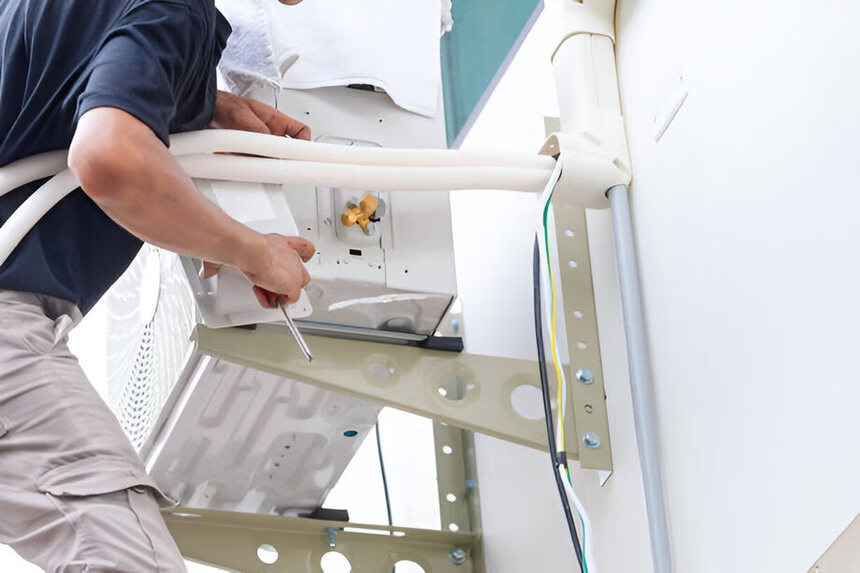
Mini Split AC Installation Cost: What to Expect in 2025 As more people look for ways to cool their homes that use less energy, small split air conditioners have become a popular choice. If you’re thinking about getting a Mini Split AC Installation Cost in 2025, you need to know how much it will cost to install it so you can make an informed choice. This complete guide will show you how much things will cost, what factors will affect those costs, and how to save money while still getting the best comfort. What Is a Mini Split AC System? A mini split air conditioner, which is also called a ductless mini split, has a unit inside that is joined to a motor outside. These systems can effectively cool or heat certain areas or rooms without the need for ducts. Key Features: Energy-efficient operation Zoned temperature control Installation is easier than with central systems Quiet performance When you compare systems, you may also be interested in how much it costs to replace an AC unit completely. It may cost more and take more Work to replace an old central unit than to install a ductless mini split system. Average Mini Split AC Installation Cost in 2025 By 2025, the cost of installing a small split AC will range from $2,500 to $8,000. The exact price will depend on the size and complexity of the system. A single-zone device costs between $4,500 and $6,000 across the country on average. Cost Breakdown: Item Cost Range Mini Split Unit (1 zone) $1,000 – $3,000 Labor & Installation $1,200 – $3,500 Additional Zones $500 – $2,000 per zone Electrical Work (if needed) $300 – $800 Permits & Inspection $100 – $500 Factors Affecting Mini Split Air Conditioner Installation Cost 1. Number of Zones The prices of both tools and staff go up with each extra zone. For a setup with more than one zone, you might need more than one indoor unit and a bigger outdoor fan. 2. Brand and Model Brands like Mitsubishi Electric, Daikin, and Fujitsu are more expensive, but they last longer and work better. 3. Unit Capacity (BTUs) It costs more for bigger units that are made for bigger rooms. BTU needs depend on the size of the room, the quality of the insulation, and the weather. 4. Labor Rates in Your Region Installation costs can change a lot from one area to another because of the demand for workers and the supply of skilled techs. 5. Installation Complexity The total cost will depend on the type of walls, the distance between the indoor and outdoor units, and the need for electricity changes. Installation Cost by Type of Property Property Type Typical Installation Cost Small Apartment $2,000 – $4,000 Single-Family Home $3,500 – $6,500 Multi-Level House $5,000 – $10,000 Commercial Space $6,000 – $15,000+ DIY vs. Professional Installation Even though there are do-it-yourself tools available, it is safer, protects your guarantee, and follows local building rules to have a professional install it. Pros of Hiring a Pro: Correct sizing and placement Reliable links for electricity and coolant Warranty validation Local permit and code compliance Tips to Save on Mini Split AC Installation Get Multiple Quotes: Look at at least three qualified HVAC companies side by side. Check for Rebates: Many utility companies give discounts for HVAC systems that use less energy. Choose the Right Size: Bigger systems cost more and might not work as well. Install Off-Season: Prices might be less in the spring or fall. Bundle Services: Some companies give savings if you hire them to do more than one repair or if you combine it with other HVAC work like window AC installation, which can also improve cooling efficiency for smaller rooms. Energy Efficiency and Long-Term Savings Installing a small split air conditioner may seem expensive at first, but the money you save on energy costs makes it worth it. A lot of them have SEER scores above 20, which means that your monthly energy bills will be lower. Benefits: Reduced energy use Targeted zone control No duct loss (which can waste 20–30% of energy) When looking at cooling choices, knowing how much it costs to replace an AC unit can also help you decide if buying a mini split is a better long-term investment. Final Thoughts Knowing how much it will cost to put a small split AC in 2025 will help you make smart choices. Prices change for many reasons, but knowing what to expect, what affects prices, and how to save can help you find a home cooling solution that is both cheaper and better. If you’re remodeling an old house or building a new one, a ductless mini split is an energy-efficient option that will last for a long time. Frequently Asked Questions How long does it take to install a mini split? Sometimes it takes one to two days, but it depends on how many zones there are and how complicated the method is. Do mini-splits require maintenance? Yes, every 6 to 12 months, normal upkeep includes cleaning the filters, checking the amount of refrigerant, and looking over the connections. Can mini-splits cool multiple rooms? Because it has more than one zone, there is one outdoor fan that each room shares and an inner unit for each room. Are mini-splits worth the investment? Of course. Mini split air conditioners are more expensive to install at first than window units, but they last longer, use less energy, and are more comfortable in the long run. External Reference Energy.gov – Ductless Mini-Split Heat Pumps
How Much to Replace an AC Unit in 2025
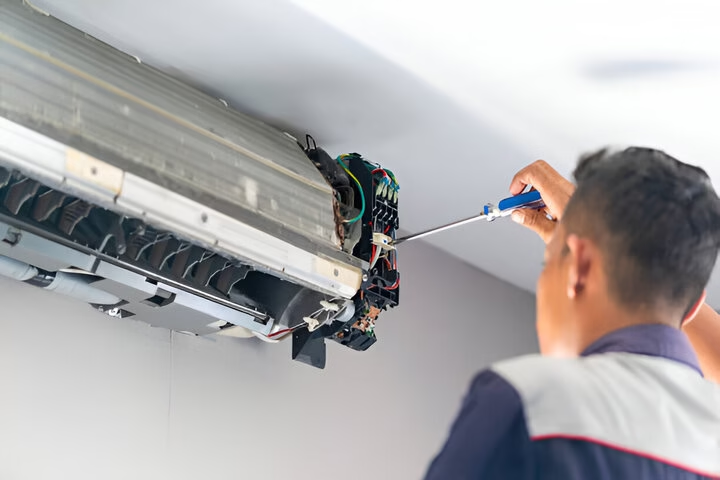
How Much to Replace an AC Unit in 2025 It doesn’t come cheap to get a new air conditioner, but it’s an investment in your home’s comfort and health. In 2025, let’s say you want to get a new air conditioner. Knowing the different prices can help you stick to your budget and make a smart choice, whether you’re upgrading your system or figuring out how to clear out an AC drain line. This guide will break down the main things that affect how much to replace an AC unit, such as the size of the unit, how efficient the system is, and the cost of work. By the end, you’ll know everything there is to know about what to expect and be ready to pick the best choice for your needs. How much does it cost to get a new AC? How is it that the price of a new AC unit in 2025 is different? It usually costs between $3,500 and $7,500. These can cost $10,000 or more if they have smart heaters and high SEER rates, for example. Key Factors Affecting the Cost: Type of unit (e.g., central ductless mini-split or portable) Energy-efficiency rating (measured in SEER and EER ratings) System capacity (measured in tons or BTUs) Costs for labor and installation Upgrades that need to be made, like pipes or permits Next, we’ll talk about the main things that affect how much it costs to replace your AC unit. Rating for Energy Efficiency The Seasonal Energy Efficiency Ratio (SEER) and Energy Efficiency Ratio (EER) of an air conditioner show how well it uses energy. Better energy gains are found in SEER and EER scores that are higher, but they cost more up front. What to Know: The minimum SEER needs for 2025 may be different depending on the rules in your area. Most of the time, systems with a SEER value of 16 to 22 are very efficient. Spending more up front on a system that uses less energy can save you a lot on your power bills over time. For instance, going from a 13 SEER unit to an 18 SEER unit can cut yearly cooling costs by as much as 30%. System Capacity and Sizing Your AC unit should be the right size for the size of your home. If you install a system that is too small or too big, it might not work as well, and your energy bills will go up. General Guidelines: Most houses that are less than 1,000 square feet can handle a 1.5-ton unit. Homes that are between 1,200 and 2,000 square feet need a 2 to 3-ton unit. Bigger homes need 4-5 ton systems. Talk to a professional in HVAC to find out what size is best for your home. They can do a thorough load estimate based on your temperature, insulation, and the home’s plan. New Installation vs. Replacement Units New Installation: Putting in a brand-new cooling system costs more because you need to buy new pipes, wiring, and other equipment. This could make the whole thing cost between $8,000 and $12,000. Replacement Units: Costs will usually be cheaper if you’re updating an old system because important equipment like pipes is already there. Labor Costs The cost of labor can be between 40 and 50 percent of the total cost of an AC unit replacement. Rates depend on where you live, how hard the installation is, and whether you need any other changes. Average Costs: Basic installation (no extras): $1,200–$2,000 $2,500 to $4,000 for a complicated system with new pipes or electricity Hiring skilled workers makes sure that the job is done quickly and safely. If you want to avoid expensive mistakes, always hire an HVAC expert who is licensed and protected. Other Considerations When making a budget for a new AC, you should also think about these other things: Type of Unit The cost depends a lot on the type of air cooling system you pick: Central air conditioning costs more, but it’s the best way to cool big houses equally. Ductless mini-split systems are flexible and use less energy, but they can cost more per unit. For single rooms, portable or window units are good choices that won’t break the bank. Lifespan Most modern units last between 12 and 15 years. If the life of your current unit is almost up, buying a good alternative can save you money in the long run. Ductwork Your new unit may not work as well if the ducts are old or leaky. If fixes are needed, ducts can cost an extra $1,500 to $3,000. Electrical Infrastructure For older homes to be able to handle the power needs of newer AC units, the electrical systems may need to be upgraded. Furnace Compatibility If your heater and air conditioner share a fan, you might need to get new ones for them to work together. Time of Year The price of replacement can change based on demand: Installation rates are often lower in the spring and fall, when demand is smaller. Costs may go up when demand goes up in the summer. Permits and Inspections Permits and checks may be needed because of local building rules and laws. These can add $150 to $500 to the total cost. Conclusion How Much to Replace an AC Unit 2025? The average cost is between $4,500 and $12,000. However, your exact cost will depend on a lot of things, such as the type of unit, its efficiency rate, the work you hire, and where you live. You can make an informed, cost-effective choice for a cooler, more energy-efficient home if you know about these factors and follow smart buying habits. FAQs What is the average lifespan of an AC unit? If you take care of your AC, it should last between 10 and 15 years. Should I get a new AC unit or fix the old one? Most of the time, it’s better to get a new unit than to fix an
How to Unclog AC Drain Line: Easy Step-by-Step Guide
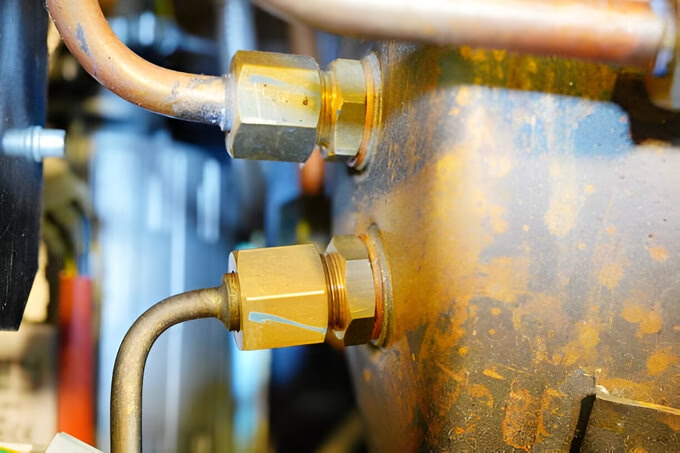
How to Unclog AC Drain Line: Easy Step-by-Step Guide A clogged AC drain line is a common problem in homes that can lead to water damage, less effective cooling, and musty smells. It can save you time, money, and stress to know how to Unclog AC drain line. If you want to fix the problem and keep it from happening again, this complete and simple guide will show you how. What Is an AC Drain Line? The AC drain line, also called the condensate drain line, is a pipe that gets rid of the extra water that your air conditioner’s evaporator coil makes. Your air conditioner does more than cool your home; it also removes moisture from the air. This water builds up in a drip pan and drains away through the condensation line. Why Does the AC Drain Line Get Clogged? Dust, algae, mold, and other things can get stuck in the drain line over time, stopping the flow of water. Some common reasons are: Do not do regular cleaning. High humidity levels Dirty air filters Infrequent use of the AC system If this line gets clogged, water will back up into the unit and could overflow, which could damage your house. Signs Your AC Drain Line Is Clogged You need to know what a clog looks like before you can learn how to Unclog AC drain line. Keep an eye out for: There is a pool of water near the central AC unit. Musty or moldy odors The AC unit isn’t cooling right. High indoor humidity levels The AC is turning off without warning. Tools and Supplies You’ll Need The following tools will help you clear the blockage: Wet/dry vacuum Funnel or flexible tubing Distilled vinegar or bleach Pipe brush or stiff wire Screwdriver (to open panels) Bucket and towels Step-by-Step Guide: How to Unclog AC Drain Line Step 1: Turn Off the Power First, safety! To keep your family safe, always turn off the power to your HVAC system at the thermostat and breaker box. Step 2: Locate the Drain Line You can find the AC drain line near the outdoor condenser unit or inside near the air handler. It is usually a white or PVC pipe. Step 3: Inspect the Drain Line Check for clear signs of clogging or water that won’t go away. To check for buildup, take off the cap from the T-shaped vent that leads to the drain line. Step 4: Use a Wet/Dry Vacuum Put the vacuum on the end of the drain line that is outside your house. Cover the hole with duct tape or a towel, and then run the vacuum for two to three minutes. The clog should be gone with this pressure. Step 5: Flush the Drain Line Mix one cup of warm water with one cup of pure white vinegar. Pour this into the drain line through the entry point. Mold and bacteria will die after 30 minutes. You could also use a weak bleach solution (1:1 with water) if the maker lets you. Step 6: Rinse with Water Once the vinegar or bleach has done its job, use a scoop or pipe to flush the line with clean water to make sure it’s dry. Step 7: Reassemble and Turn the Power Back On When the drain line is dry and clean, put the access cap back on and turn the power back on. Preventing Future AC Drain Line Clogs Follow these repair tips to keep your AC system working well: Every month, flush the drain line with vinegar. Every 1 to 3 months, change the air filters. Schedule HVAC checks once a year. Clean up the area around the inner unit. Put in a float switch to find clogs early. To save energy, set your setting to 24–26°C (75–78°F), which is the best temperature for air conditioning. This helps lower the heat and stress on your system, which makes clogs less likely. Real-World Example A homeowner in Florida said that even though the AC was on all the time, there was a musty smell and high humidity. The expert looked and saw that algae had plugged the AC drain line. A quick vacuum and vinegar flush solved the problem and made the house comfortable again. Pros and Cons of DIY Drain Line Cleaning Pros: Spends less on service calls Simple tools make it easy to do Stops water damage Cons: Might not clear out big clogs Possible damage to the machine if not done right Fears for safety without turning off the power Conclusion If you know how to Unclog AC drain line, you can avoid expensive fixes and water damage. You can keep your system going well with just a few simple tools and regular upkeep. If you try to fix the problem yourself and it doesn’t work, don’t be afraid to call a professional HVAC expert. FAQs What causes AC drain lines to clog? Inside the pipe, dirt, mold, algae, and other things get stuck, stopping the flow of water and leading to floods. Can I use bleach to unclog my AC drain line? Of course, you can use a 1:1 bleach and water mix, but first, check your AC instructions to make sure it’s safe. How often should I clean my AC drain line? The AC pipeline should be cleaned once a month, more often in the summer. When should I call a professional? If you try to fix the problem yourself and fail, or if you keep having clogs, water leaks, or the system stops working, you should call a qualified HVAC expert. External Reference Energy.gov HVAC Maintenance Tips
Best AC Temperature Settings for Pakistani Summer — Comfort + Lower Bills
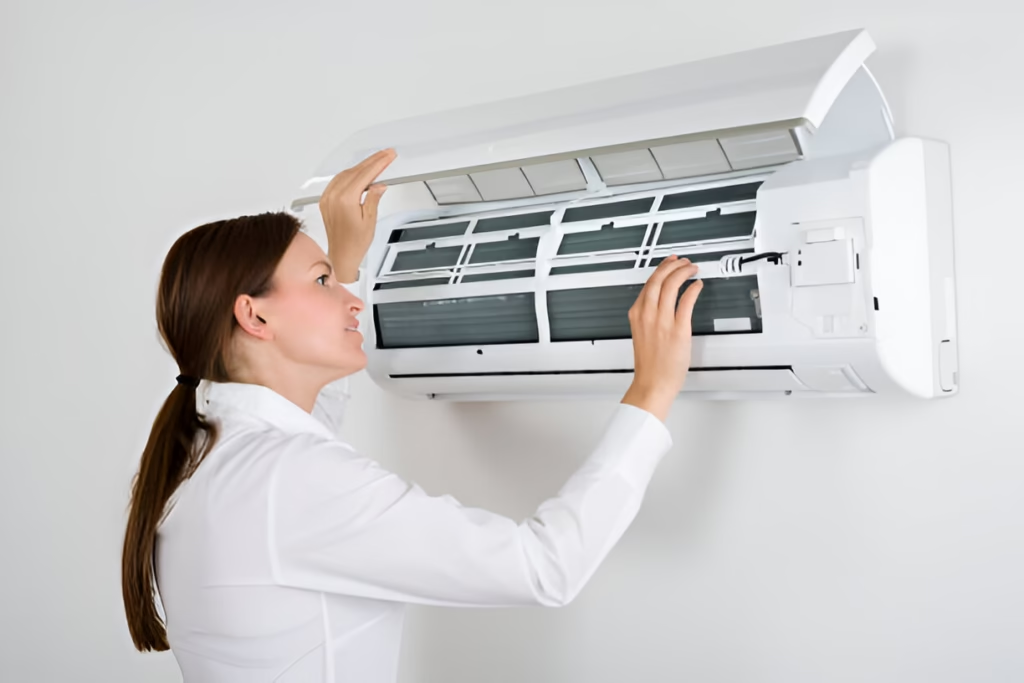
Every Pakistani household has this argument: someone sets the AC at 16°C “to cool the room faster,” someone else insists 26°C is enough. One of them is wasting serious money — and it’s not the 26°C person. Here’s what actually works for Pakistani summers, backed by how ACs really operate. The 16°C Myth — Why It Doesn’t Cool Faster An AC cools at the same speed regardless of the set temperature. Setting 16°C instead of 26°C doesn’t make the room cool faster — it just makes the compressor run longer after the room is already comfortable, burning electricity to reach a temperature nobody actually enjoys. If you want faster cooling, use Turbo/Jet mode for 10–15 minutes, then let it settle at your normal temperature. The Ideal Setting: 26°C For Pakistani summers, 26°C with fan on auto is the proven sweet spot: Comfortable for most people, especially with a ceiling fan running on low Every degree below 26°C increases electricity consumption by roughly 6–8% The difference between running at 20°C vs 26°C over a month can be thousands of rupees on your bill Pro combo: AC at 26°C + ceiling fan on slow speed. The fan circulates cool air, making 26°C feel like 24°C — at a fraction of the cost of actually setting 24°C. Settings by Situation Situation Recommended Setting Daytime, normal use 26°C, Cool mode, fan auto Extremely hot afternoon (40°C+) 24–25°C temporarily, back to 26 Night sleeping 26–27°C + Sleep mode ON Monsoon humidity (July–Aug) Dry mode, 26°C Room with direct sunlight Close curtains first — makes 2-3°C difference Confused about which button does what? Our Dawlance AC remote guide and Orient AC remote guide explain every mode. AC and Load Shedding — The Pakistani Reality Load shedding and voltage fluctuation damage more ACs in Pakistan than actual wear and tear. Protect your investment: Use a voltage stabilizer for non-inverter ACs — a single low-voltage restart can damage the compressor Wait 3–5 minutes after power restoration before turning the AC back on (inverter ACs with restart delay handle this automatically) Inverter ACs handle fluctuation better and consume less at stable temperatures — worth it if you’re buying new On generator/UPS: most home setups can’t handle AC startup load. Don’t try it unless your system is specifically sized for it. Habits That Cut Your AC Bill Without Sacrificing Comfort Service the AC before every summer — a dirty filter alone can raise consumption 10–15% Seal door gaps; cooled air escaping means the compressor never rests Turn the AC off 30 minutes before leaving — the room stays cool that long anyway Use Sleep mode at night instead of running full cooling for 8 hours AC Service & Repair in Islamabad If your AC struggles to cool at 26°C, the problem isn’t the temperature — it’s usually low gas, a dirty filter, or a clogged outdoor unit. And if it’s dripping water indoors, see our AC water leakage repair guide. Muhammad Technical Services provides AC servicing, gas charging, and repair across all Islamabad sectors, same-day in most cases. 📞 Book AC service Frequently Asked Questions AC ka best temperature kya hai bill bachane ke liye? 26°C — ceiling fan ke sath yeh comfort aur saving dono deta hai. Kya 16°C par AC jaldi thanda karta hai? Nahi — cooling speed same rehti hai. Sirf compressor zyada der chalta hai aur bill barhta hai. Load shedding se AC ko kaise bachayein? Non-inverter AC ke sath stabilizer lagayein aur bijli aane ke 3-5 minute baad AC on karein.