Finish Carpenter vs Trim Carpenter: Key Differences
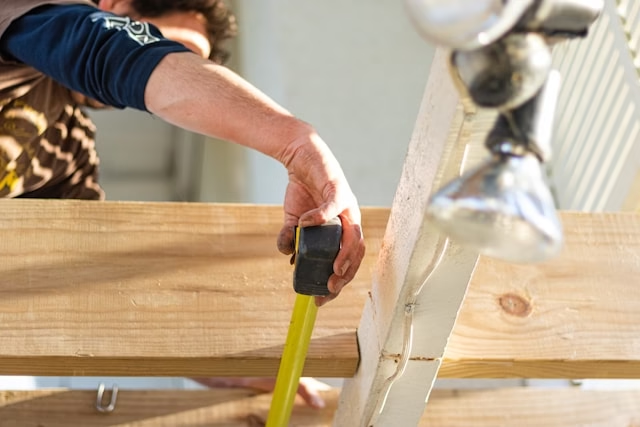
Finish Carpenter vs Trim Carpenter: Key Differences The words “finish carpenter” and “trim carpenter” are often used to refer to the same person who works with wood on the inside of buildings. To the inexperienced eye, their work may look alike, but there are small but important changes between the two. Homeowners, builders, and people who want to become carpenters all need to know these differences. The main differences between finish carpenters and trim carpenters are explained in this piece. It also talks about their different jobs, skills, and duties. What is a Finish Carpenter? For the last part of a building or rebuilding job, a finish carpenter is the expert. A finished structure’s main job is to add fine details and aesthetic appeal. Installing and crafting the obvious wood parts that add to the beauty and usefulness of the interior is what these experts do. Carpenters often get carpenter insurance to protect their work and themselves in case they get sued or their tools get broken. Responsibilities of a Finish Carpenter Putting in shelves and cabinets Putting windows and doors in place Putting in hardwood floors Putting up and building steps Making drawers and storage boxes fit your needs Putting together furniture and built-ins Required Skills Care and accuracy in the details Being able to read plans and follow instructions Advanced skills with wood tools Knowing how to use and care for good craft tools and methods What is a Trim Carpenter? A trim carpenter’s main job is to put up molding and other trim pieces. These experts make sure that wooden details that are both artistic and safe are put in the right place and blend in with the walls, floors, and ceilings without looking out of place. Responsibilities of a Trim Carpenter Putting in beadboard, borders, and crown molding Putting in door and window frames Chair rails and picture rails need to be lined up Making complicated crafts for decoration Required Skills Skill at cutting and putting together trim at exact angles Strong skills in counting and planning Know how to use trim shapes and materials Able to use nail guns and miter saws well Key Differences Between Finish and Trim Carpenters When it comes to finishing off a building, both trades are very different from one another. Here is a list of the differences: Aspect Finish Carpenter Trim Carpenter Scope of Work Broader, includes cabinetry, stairs, flooring Narrower, focuses on trim and molding Specialization High-end detail work and custom installations Precision trimming and decorative work Tools Used Routers, planers, sanders, jigs Miter saws, brad nailers, coping saws Customization Level Often custom-built pieces Standardized elements with precision fit Project Phase Final stage of construction Typically near the end, but can overlap When to Hire a Finish Carpenter vs Trim Carpenter How you choose the right builder for your project depends on how big and complicated it is. Hire a Finish Carpenter if: You need shelves, cabinets, or stairs that are made just for you. You want the interior to look classy and put together as a whole. You need different parts of a room to be finished in great detail. Hire a Trim Carpenter if: Crown molding, baseboards, or other trim work needs to be put in. For your job, you need to place wood in a lot of different ways. Adding new trim or molding to a room makes it look better. Similarities Between the Two Roles Even though they are different, finish and trim builders have one thing in common: Both work on the last stages of building. Both need careful attention to detail and accuracy. Both of these things add to the beauty of a building. Both of them work with wood and need to know a lot about how to do it. Tools Commonly Used Each type of carpenter needs different tools, but both use some of them: Finish Carpenter Tools Nail guns Routers Orbital sanders Wood glue clamps Biscuit joiners Trim Carpenter Tools Miter saw Coping saw Brad nailer Combination square Measuring tape Importance of Choosing the Right Professional You can save time and money and get a better end if you hire the right builder. Finish builders have a wide range of skills that make them perfect for installing things in a detailed way. Trim carpenters, on the other hand, are experts at artistic work and are perfect for homes that need classy finishing touches. Conclusion When homeowners and workers know the difference between a finish carpenter and a trim carpenter, they can hire the right expert for the job. Both add to the end look of a building, but they do different kinds of work and have different skills. Whether you’re adding handmade cabinets or beautiful trim to a room, knowing who to call can make all the difference in getting a clean, professional look. FAQs Q: What is a finish carpenter? A: Finish carpenters add cabinets, door trim, and ornamental moldings after construction. Q: What is a trim carpenter? A: Trim carpenters install and finish baseboards, crown molding, and door/window casings to beautify a structure. Q: How much does a finish carpenter make? A: Finish carpenters in the U.S. make $20 to $35 per hour or $40,000 to $70,000 yearly, depending on experience region and task complexity. Q: What does a trim carpenter do? A: Trim carpenters install and finish baseboards, crown molding, door and window casings, and ornamental trim to beautify a structure. External References The Spruce: What Does a Finish Carpenter Do? HomeAdvisor: Trim vs. Finish Carpentry Bob Vila: Types of Carpenters Explained Angi: Understanding the Different Kinds of Carpentry
Carpenter Insurance Explained for Small Business Owners
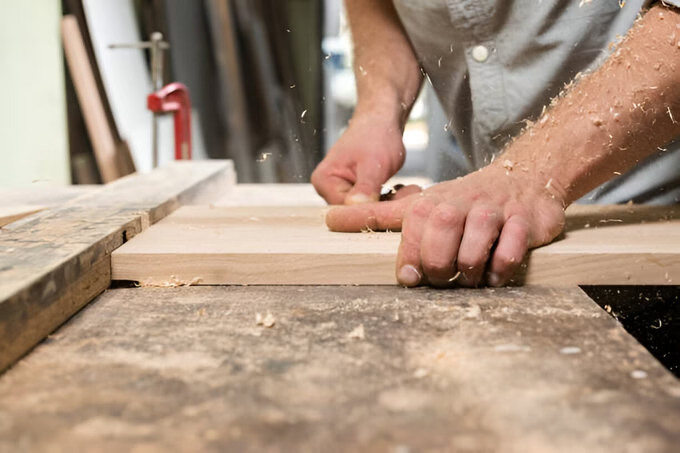
Carpenter Insurance Explained for Small Business Owners It takes more than skill to run a woodworking business; you also have to protect your company from risks you can’t predict. Carpenter insurance is important to protect your business from lawsuits, property loss, and other unplanned events. This complete guide will go over all the different parts of carpenter insurance, which will help small business owners make smart choices. What Is Carpenter Insurance? Carpenter insurance includes a variety of plans that are meant to keep carpenters and their businesses from losing money because of accidents, damage, or lawsuits. Getting the right insurance is important whether you’re a self-employed handyman or run a small team. Key Components: Public Liability Insurance: Protects you from third-party claims of harm or property loss caused by your work. Employers’ Liability Insurance: If you have staff, you have to get this insurance. It covers claims from workers who get sick or hurt at work. Tools and Equipment Insurance: Keeps your tools and equipment safe from being lost, stolen, or damaged. Professional Indemnity Insurance: It pays for your lawyer fees if a client says your services or advice cost them money. Personal Accident Insurance: If you get hurt and can’t work, this insurance will pay you. Why Do Carpenters Need Insurance? When you work as a builder, you use dangerous tools, machines, and materials that can hurt you and other people. If you don’t have insurance, you could be responsible for the costs of repairs or court fees if something goes wrong. Common Risks: Injuries to Clients or Third Parties: When workers get hurt on the job by accident, it can be very expensive to file a lawsuit. Property Damage: Damage to a client’s property can happen because of mistakes or accidents. Tool Theft or Damage: Tools are important for your job, and if you lose them, your business can’t run. Legal Disputes: Clients may say they are unhappy with your work, which could lead to court battles. Types of Carpenter Insurance Policies 1. Public Liability Insurance For builders, this is one of the most important rules. It covers the costs of going to court and getting paid if your work hurts someone or damages their property. This insurance would pay for things like medical bills and lost wages if a customer trips over your tools and gets hurt. 2. Employers’ Liability Insurance In many places, you are required by law to have this insurance if you have employees. This insurance covers claims from workers who get hurt or sick at work. (Protectivity) 3. Tools and Equipment Insurance It keeps your tools and equipment safe from being lost, stolen, or damaged. Because woodworking requires specialized tools, this coverage makes sure you can repair important things without having to spend a lot of money. 4. Professional Indemnity Insurance It pays for your legal fees if a client says your professional services or advice cost them money. This is especially important if you offer design or consulting services. 5. Personal Accident Insurance If you get hurt and can’t work, this insurance will pay you. It can pay for your medical bills and lost wages while you’re healing. Carpenter vs Electrician: Understanding the Insurance Needs Even though this guide is mostly about carpenter insurance, it’s still helpful to know how it differs from other trades’ insurance needs, like electricians’, in the discussion about whether to be a carpenter vs electrician. Both jobs come with their risks and need specific insurance plans. Carpenters are more likely to get hurt by their tools and damage property during setups. At the same time, electricians have to deal with more electricity dangers and tighter safety rules. Because of this, electricians may choose liability and workers’ compensation insurance with more benefits. Knowing these differences helps builders figure out what kind of insurance they need and how to get it. Cost of Carpenter Insurance The cost of carpenter insurance depends on things like the number of workers you have, the size of your business, the value of your tools, and the risks that come with your job. Most of the time, carpenters can expect to get paid: Public Liability Insurance: Starting from £6.30 per month. Employers’ Liability Insurance: Prices vary, so it’s important to get a price that fits your needs. Tools and Equipment Insurance: Rates are based on how much your tools are worth. To get the best coverage at the best price, it’s smart to get quotes from more than one insurance company. How to Choose the Right Carpenter Insurance Assess Your Risks: Think about the specific risks that come with your job, like the projects you work on and the places where you do your work. Determine Necessary Coverage: Based on your risk estimate, choose the business insurance plans that are most important to you. Compare Quotes: To get multiple quotes and find the best deal, use comparison websites or talk to insurance agents. Check Policy Details: Make sure you know what each insurance covers and what it doesn’t cover. Review Regularly: Check your insurance coverage often to make sure it’s still enough as your business grows or changes. Conclusion Small business owners in the Woodfield need to get insurance for their workers. It protects your business’s finances against a number of risks, ensuring its long-term success and growth. You can protect your income by getting the right insurance plans if you know about the different types of coverage and figure out what you need. (admiralbusiness.com). FAQs Does home insurance cover harm from carpenter ants? Most homeowner’s insurance doesn’t cover carpenter ant damage. Most rules consider it upkeep, not a sudden incident. Housekeeping should prevent pests. You should check your policy or contact your insurer for particular advantages. How much is insurance for a carpenter? Carpenters pay $500–$1,500 per year for general liability insurance. Location company size services and coverage restrictions affect pricing. Tools workers’ compensation and business car insurance may raise costs. Does insurance cover carpenter ant damage? Carpenter ant damage is avoidable;
Carpenter vs Electrician: Which Trade Is Right for You?
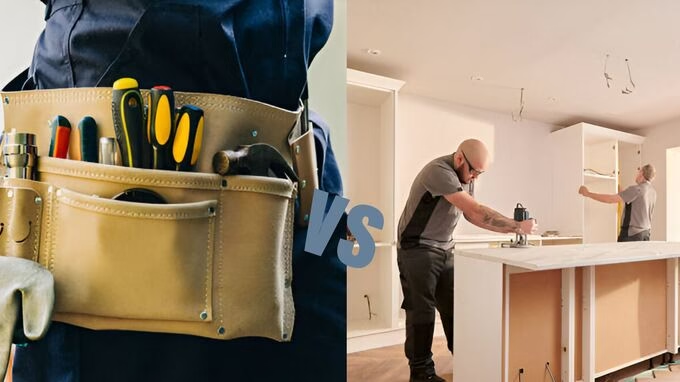
Carpenter vs Electrician: Which Trade Is Right for You? Picking a skilled job can change your whole life. Carpentry and electricity work are two of the most recognised and sought-after skills. You have to choose between becoming an electrician vs carpenter. That being said, this guide will break down the pros and cons of each road and help you choose the one that fits your goals the best. Understanding the Basics What Does a Carpenter Do? Carpenters use wood and other materials to build, place, and fix things like buildings and furniture. They might be experts in things like finishing, framing, or building cabinets. Typical tasks include: Learning how to read plans and scientific drawings Cutting, measuring, and putting together things Putting up walls, floors, doors, and windows fixing up and redesigning old buildings What Does an Electrician Do? Electricians set up, maintain, and fix electrical systems in homes, companies, and factories. They work with electrical parts like plugs, circuit switches, wires, and more. A foreman electrician is usually in charge of a group of electricians working on big projects. They make sure that the work is done safely, well, and on time. Typical tasks include: Drawing and reading wiring diagrams Putting in and fixing lighting, control, and wiring systems. Checking the safety and efficiency of electricity systems Making sure that building rules are followed Educational Requirements Carpenter Training Path High school diploma or GED Apprenticeship (3-4 years) Optional training or tech school Electrician Training Path High school diploma or GED Formal apprenticeship (4-5 years) State licensing exam Continuing education for code updates Note: Most states require electricians to have licenses, but some don’t require permits for builders unless they work as contractors. Skill Sets Needed Skills for Carpenters: Strength and skill of the hands Attention to detail Basic math and geometry Knowledge of materials and tools Skills for Electricians: Strong problem-solving skills Understanding of electrical theory Ability to keep going and focus on what you’re doing Being able to work at heights or in small areas Work Environment and Conditions Carpenters: Usually work outside or on busy building sites. Exposed to weather conditions and noise Risk of cuts, falls, or injuries from tools. Electricians: Work indoors and outdoors May find their way through attics or hidden rooms Electrical shock risk if safety rules aren’t followed Career Outlook and Salary Job Growth According to the U.S. Bureau of Labour Statistics: Carpenters: Projected job growth of 2% from 2022 to 2032 Electricians: Projected job growth of 6% over the same period Salary Comparison (2025 Averages) Carpenters: ~$54,000 per year Electricians: ~$65,000 per year Because license standards are getting tighter and the need for electrical equipment is rising, electricians tend to make more money and have more job stability. Pros and Cons of Each Trade Carpenter Pros: Creative and satisfying work Lower entry barrier Versatile skill set Carpenter Cons: Lower average salary Physically demanding Susceptible to seasonal slowdowns Electrician Pros: Higher income potential Strong job security Steady demand for skilled electricians Electrician Cons: Extensive training and licensing required Higher safety risks May involve stressful troubleshooting Which Trade is Right for You? Ask yourself the following questions: Would you rather work with your hands (as a builder) or figure out complicated processes (as an electrician)? Do you like visual or artistic work more, or do you like fixing scientific problems? Do you want to get a job faster (as a builder) or get paid more over the long run (as an electrician)? Final Thoughts Both trades offer rewarding jobs with good job prospects. If you like making things, you might be interested in becoming a carpenter. You should become an electrician if you enjoy working with technology and processes. Putting money into a trade can lead to a safe and profitable future, either way. External Resources and References For more information, consider visiting: U.S. Bureau of Labor Statistics – Electricians National Electrical Contractors Association (NECA)