How to Flush a Water Heater and Keep It in Good Shape
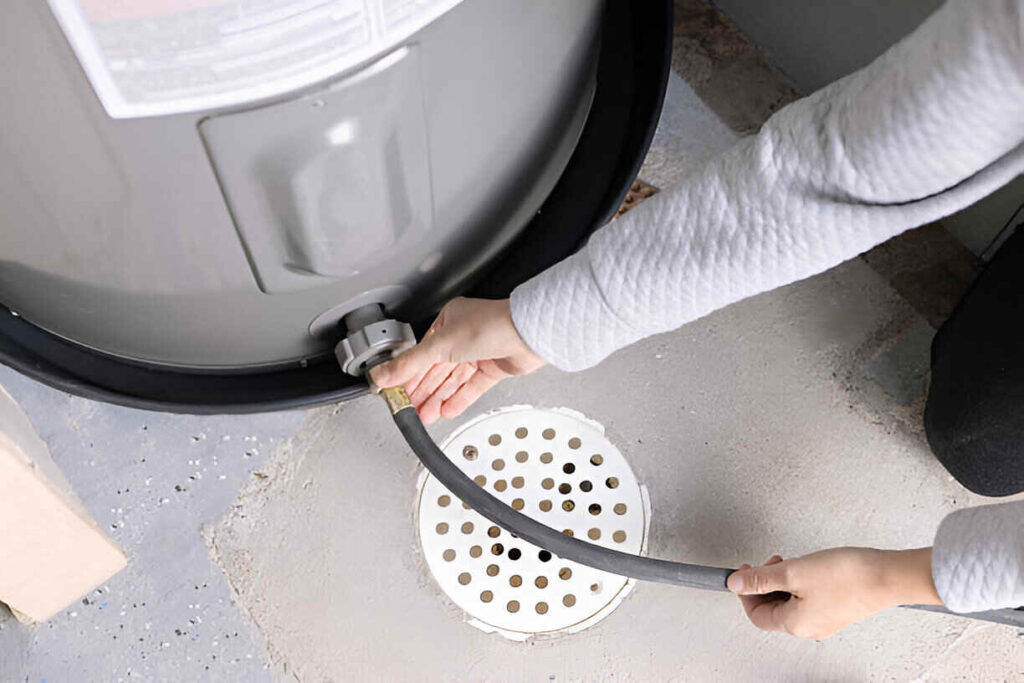
How to Flush a Water Heater and Keep It in Good Shape In order to bathe, wash dishes, and do laundry, you need hot water. A water heater is one of the most essential tools for any home. But many people don’t know that they must often fix it to keep it in good shape. Learning to flush your water heater correctly is one of the best ways to keep your system in good shape. Over time, rocks, sediment, and other waste build up at the bottom of the tank. This can make the heater less effective, raise your energy bills, and shorten the appliance’s life. If you flush your water heater often, you can make it last longer and keep it working at its best. If you want to know how to flush your water heater and why it’s important, read this guide. It has easy-to-follow steps that anyone can do at home. Why Flushing Your Water Heater is Important It’s not just advice to flush a water heater; it’s necessary upkeep. This is why it’s important: Sediment buildup: Calcium and magnesium crystals fall to the bottom of the tank over time. This blocks the heated part from the water, which makes it less efficient. Energy efficiency: When grit builds up in a heater, it has to work harder, increasing energy bills. Longer lifespan: Flushing your heater regularly can prolong its lifespan by stopping rust and burning. Consistent water temperature: Flushing ensures the hot water stays steady and doesn’t change quickly. Hot Water Geysers, Horizontal Geysers, and Portable Water Heaters are just a few geysers that need regular care to work at their best. Signs Your Water Heater Needs Flushing This is a clear sign that it’s time for a clean, even if you can’t remember the last time your water heater was fixed: Sounds like popping or rumbling Sounds like popping or rumbling The water is cloudy or rusty Less hot water flow Energy bills are going up If you see these signs, you should probably take care of your geyser soon. When material builds up in even smaller units like Mini Geysers for Kitchens, the same signs show up. Tools You’ll Need Before Flushing a Water Heater Get these basic tools together before you start: Garden hose (long enough to go outside or to a drain) Bucket (if you want to drain it into a tub or sink) Screwdriver (to open screens of entry if needed) gloves (to keep your hands from getting burned) Teflon tape (in case you need to seal the joints again) How to Flush a Water Heater Anyone can follow this easy step-by-step guide: Turn Off Power or Gas Supply Cut off the power to the electric water heaters. In gas heaters, set the gas valve to “pilot,” which means “off.” Click on Instant Geyser Safety to learn more about safety. Shut Off the Cold Water Supply The cold water valve is generally at the very top of the heater. To stop it, turn it clockwise. Connect the Hose to the Drain Valve Link a garden hose to the heater’s drain valve near the bottom. Make sure the other end goes outside or down a drain. Drain the Tank Slowly open the drain opening and let the water go out. Watch out, the water could still be hot. Flush with Fresh Water After most of the water has been drained, quickly turn on the cold water valve to flush out any still grit. Please do it again and again until the water is clear. Read Water Geyser Parts Explained if you’re not sure about the parts. Step 6: Close Everything Back Turn off the drain opening and take the hose off. Turn the cold water valve back on to fill the tank again. Bring back the gas or electricity. How Often Should You Flush a Water Heater? At least once a year, experts say, you should flush your water heater. In places with hard water, though, you might need to do it every six months to keep the pile from getting too big. The Electric & Gas Geyser Prices in Pakistan or the Geyser Prices List 2025 can help you choose a new system. Pro Tips to Keep Your Water Heater in Good Shape Install a water softener: Helps keep minerals from building up. Check the anode rod: It should be replaced every 3–5 years to keep the tank from rusting. Inspect the pressure relief valve: Work safely. Insulate the tank: It saves energy and keeps water hot for longer. Learn safety habits: Read over Electric Geyser Tips. Common Mistakes to Avoid When Flushing It can be dangerous to forget to turn off the gas or electricity. Burns could happen if you don’t let the tank cool down. Using lines that aren’t very good and can break. Putting the drain valve away too quickly leaves sediment behind. When cleaning, even more care needs to be taken with more modern types like Instant Water Geysers. Comparing Flushing for Different Types of Heaters Tankless water heaters: Need a vinegar solution flush instead of a standard drain. Instant geysers: Because they can only hold so much water, a quick rinse is often enough. Portable water heaters are easy to clean because they quickly move and drain. Conclusion You can keep your water heater in good shape, save energy, and make it last longer now that you know how to clean it. When taking care of a standard storage heater, a Horizontal Geyser, an Instant Water Geyser, or a Portable Water Heater, you must often clean them. By taking care of some easy things now, you can avoid paying for big fixes down the road and ensure you always have hot water when you need it. Related FAQs Q1: How long does it take to clean out a water heater? 30 to 60 minutes, but it depends on the size of the tank and how much silt is in it. Q2: Can I flush my own water heater? Yes, but it’s best to call
How a Portable Water Heater Works and Where to Use It
How a Portable Water Heater Works and Where to Use It Introduction They are great when you need hot water fast and are outside, moving, or in a different place. This little thing will ensure you always have warm water, whether camping, living in an RV, or living off the grid. How does a portable water heater work? What is it mainly used for? How does it compare to other types of geysers, like instant water geysers? This guide will help you choose the best one for your needs. What Is a Portable Water Heater? It heats water as it runs through a small, tankless unit called a portable water heater. Instead of storing hot water like traditional geysers, these devices use electric coils or gas burners to heat water as needed. Check out our guide for a full description of how regular geysers work and how a hot water geyser works. How Does a Portable Water Heater Work? Step-by-Step Process Water Inlet: When you turn on the faucet or shower, cold water enters the heater. Flow Detection: When water flows through the built-in sensor, it turns on the hot element. Heating Element: A resistance coil quickly heats water in electric types. A gas heater, mainly propane, is employed to heat the water in a heat exchanger. Temperature Control: A thermostat ensures that the heat is safe for usage. Output: It’s quick and easy to get hot water. If you want to know more about how instant types differ, check out our guide on instant geyser safety and usage. Different Kinds of Portable Water Heaters Electric Portable Heater: Perfect for inside or anywhere there’s power. Gas/Propane Portable Heater: Perfect for showering outside, camping, or living in the country. Mini Portable Geyser: Small models are great for bathrooms and kitchens. Check out our review of mini geysers for kitchen use based in India. Solar/Dual-Fuel Models: Off-grid living now has more eco-friendly choices. For comparison, you can explore options in our geyser prices list and electric & gas geyser price guide in Pakistan. Benefits of a Portable Water Heater On-Demand Hot Water – No hassling and no loss of space. Portability – It’s not heavy and is easy to carry. Versatile Applications – From taking showers outside to doing the dishes. Energy Efficiency – Not as power-hungry as enormous storage geysers. Safe to Use – With auto-off and flame failure indicators. If you usually use an electric geyser, you’ll notice that portable heaters use less power when they’re outside. Where to Use a Portable Water Heater Camping & Hiking Trips – Use hot water to cook or take a shower. RVs & Travel Vans – Saves space and works well. Outdoor Kitchens & Gardens – Hands or dishes being washed. Construction Sites – The workers can easily get to hot water. Emergency Use – When there isn’t enough water or power. In RVs and other small areas, horizontal setups are sometimes used. Read our post on horizontal geysers to learn more. Key Parts of a Portable Heater A movable geyser has the same essential parts as any other geyser: Water inlet & outlet Flow sensor Burner or heating coil Thermostat & safety valve Power source (battery, propane, or plug-in) In our piece on water geyser parts, we went into a lot of detail about geyser parts. Choosing the Right Portable Water Heater When you buy, think about: Type of fuel (gas or electric) Rate of flow (litres per minute) Portability (size and weight) Features for safety Warranty and durability Families who want to see long-term cost savings can look at our geyser prices and deals. Maintenance & Safety Tips Always use in places with good air flow (for gas types). Filters should be cleaned often. To avoid rust, drain the water before putting it away. Propane tanks should not be near direct heat. To prevent burning or electrical problems, follow the safety rules. You can read our instant geyser safety guide for more information on how to stay safe. Related FAQs Q1. Can you use a portable water heater inside? Yes, electric types are safe to use inside. Gas types need to be ventilated. Q2. In general, how long does a portable water heater last? Usually, it takes 5–7 years if you take care of it. Q3. Can a movable geyser be used instead of a normal one? No, not really. They work best for short-term use or outside. Q4. Can kids use a portable water heater without getting hurt? The answer is yes, as long as the temperature settings and safety measures are used correctly. Q5. Can portable heaters be used in the winter? Yes, but heaters may work less efficiently when it’s cold outside. Conclusion A portable water heater is a good buy for people who like to be mobile, save time, and be convenient. It gives you access to hot water whenever and wherever you need it, whether camping in the woods, using it in an RV, or getting ready for an emergency. If you compare this gadget to standard geysers and follow our care instructions, you can get the most out of it. External References Camplux Blog – Portable Heater Benefits Eccotemp – Top Uses of Portable Water Heaters
How Does an Instant Water Geyser Work?
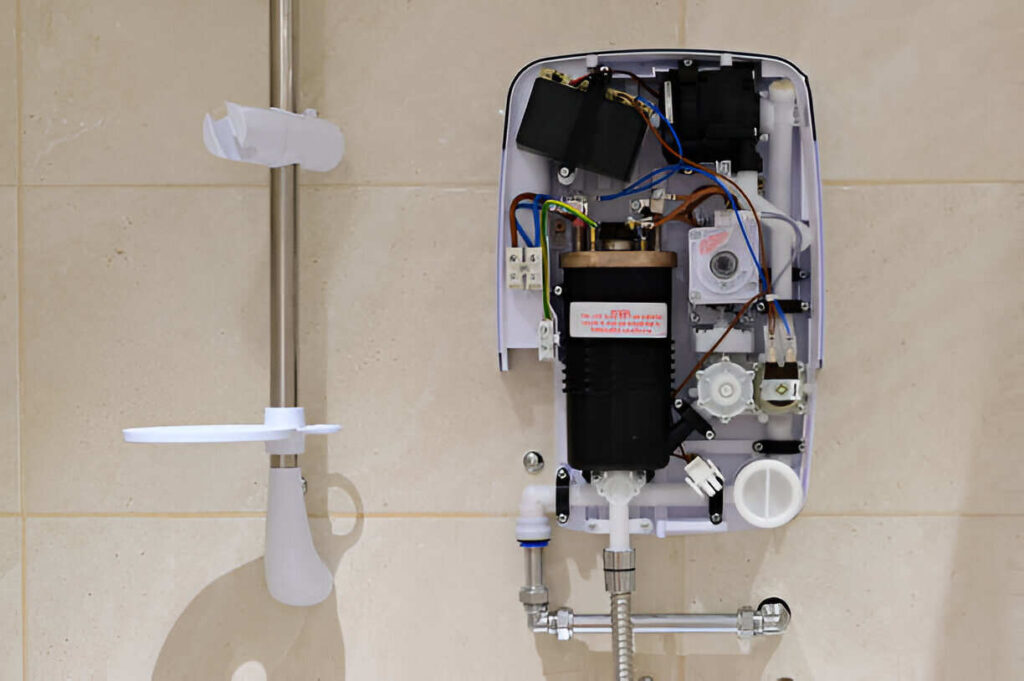
How Does an Instant Water Geyser Work? Introduction It’s normal to be curious about how instant water geyser works. Because of rising energy costs and the need for ease of use, quick geysers (also known as portable or on-demand water heaters) are now a popular choice. They produce hot water immediately, rather than retaining a large amount of water like standard storage geysers do. In this tutorial, we will discuss the procedures involved in operating instant geysers, as well as their various types, advantages, limitations, safety measures, and maintenance recommendations. We will also provide you with a comprehensive resource center that includes guidelines linked to geysers and compares them to other types of geysers. What Is an Instant Water Geyser? A small gadget called a quick water geyser heats water straight without a tank. The water is heated by a heating element or gas stove, and the water is ready to use in a matter of seconds. Check out our full guide on How Does a Hot Water Geyser Work for a full breakdown of the differences between storage models and quick models. How Instant Water Geyser Works Cold Water Entry & Flow Sensor Activation When you turn on the hot water faucet, cold water flows into the geyser through the pipe that allows it to enter. A flow monitor detects that the water is flowing and activates the heating system. Heating Process In electric instant geysers, water flows over a heating element that heats it very quickly. Detailed information about Water Geyser Parts can help you understand the parts. A burner in a gas quick geyser warms the water through a heat exchanger. Temperature Regulation The timer makes sure the water doesn’t get too hot. When the flow stops, safety cut-offs turn off the element. Check out our new guide on Electric & Gas Geyser Prices in Pakistan if you’re switching between electric and gas types. Types of Instant Geysers Electric Instant Geyser – Compact, point-of-use. Gas Instant Geyser – High flow, whole-house use. Horizontal Geyser – Space-saving types; for more information, read our post on Horizontal Geysers. Mini Geysers – Check out our guide on Mini Geysers for Kitchen Use in India for more information. They are great for kitchens and small bathrooms. Advantages of Instant Geysers On-demand hot water with no waiting. Energy efficient, as no storage loss occurs (Energy.gov). Space-saving design compared to bulky storage tanks. Longer lifespan (often 15–20 years). Unlimited hot water supply (within flow rate limits). Please read our guide on Electric Geyser Tips for safe usage. Limitations of Instant Geysers Low flow rate (usually between 2 and 5 liters per minute). More money up front. Needs strong gas or electricity lines. A short delay (30–60 seconds) in getting hot water to you. Check out our post on Instant Geyser Safety for safety tips. Applications of Instant Water Geysers Bathrooms (showers, washbasins). Kitchens for dishwashing. Guest houses or small apartments. Office pantries. See our Geyser Prices List 2025 for market rates and to compare prices. Maintenance Tips for Long Life To keep scale from building up, flush the stream every 6 to 12 months. In places with bad water, use a water filter. Safety valves should be checked often. Professional service should be done once a year. Conclusion You now understand how quick water geysers work and why they’re a good choice for modern homes. It remains compact, conserves energy, and provides hot water instantly. But you need to be careful, pick the right kind, and follow safety rules. To learn more, read our linked guides: How does a hot water geyser work Instant Geyser Safety Electric & Gas Geyser Prices A quick fountain can make your life easier and more fun if you know how to use it safely. Related FAQs Q1. Can I use a quick fountain every day without getting sick? Yes, you can use a quick fountain every day. To keep them safe from electrical and burning risks, they come with a timer and an auto-off feature. Q2. At what point does a quick fountain stop? If you take good care of your instant fountain, it can last up to 15 years, or even longer. The scale will last longer if you clean it often and fix it when it breaks. Q3. Can you shower with a quick water geyser? Sometimes, but only if the water moves quickly and the unit has enough power. Baths can be cleaned with bigger ones, but sinks are better with smaller ones. Q4. When a waterfall starts up, does it use more electricity? There are times when they use a lot of power, but these periods are brief. They use less electricity than storage geysers because they don’t have to heat up when not in use. Q5. What distinguishes a waterfall that functions immediately from one that holds water? If you only need hot water, a quick fountain doesn’t have a tank. A storage volcano, on the other hand, stores hot water for later use. These types are small and use less power, but they can’t handle a lot of flow.
How Does a Hot Water Geyser Work: 2025 Complete Guide
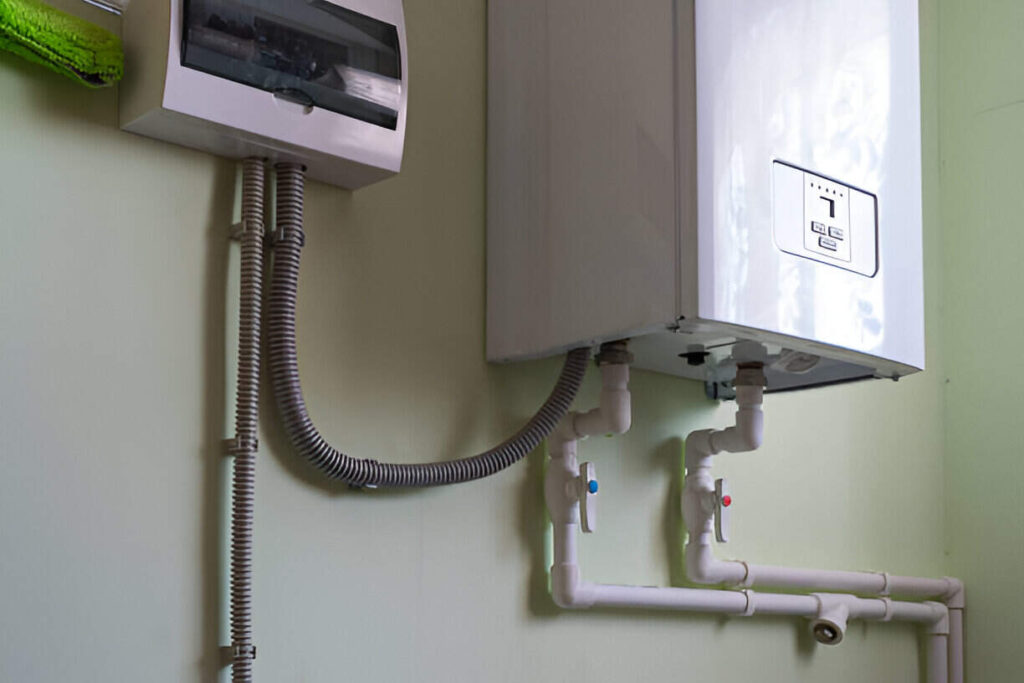
How Does a Hot Water Geyser Work: 2025 Complete Guide Many new homes have hot water geysers, which make it easy to get hot water for everyday tasks. If you know how does a hot water geyser work, you can take good care of it, save energy, and fix any issues that come up. This guide talks in great depth about the parts, how they work, and the different types of water heaters. Basics of Hot Water Geysers A hot water boiler, also known as a water heater, is a useful appliance that prepares water for use in your home while simultaneously heating it. A hot water spout is all about heating the water. It takes the energy already in the water, whether that’s from electricity or gas, and turns it into heat energy to make things warmer. Modern geysers are built with complex parts that make sure they heat water efficiently, keep a steady temperature, and include safety features. So, the heating kicks off when cold water comes into the geyser tank through a pipe. So, depending on the type of pump, you’ll use either electric or gas fires to heat the water. It makes sense for the hot water to rise and the cooler water to sink. This is because of convection currents. The water is warm all the time. Types of Hot Water Geysers and Their Operating Mechanisms Electric Water Heaters Electric geysers are the go-to choice for heating water in urban areas. Inside these units, electric heating elements warm the water in a sealed holding tank. Electrical resistance helps to heat water by allowing electricity to flow through materials that have high resistance, like nichrome. This creates heat that moves into the water. Visit our complete electric geyser buying guide for a full list of prices and brand differences in Pakistan. Important Parts of Electric Geysers: There are upper and lower heating sources. Control device for thermostats Storage tank with insulation Valve for relieving pressure An anode sticks to stop rusting Dip tube for getting cold water Gas Water Heaters Gas-powered geysers derive their energy from natural gas or propane. At the base of the tank in these devices lies a gas stove that directly combusts fuel to heat the water. Most of the time, gas geysers heat water faster than electric ones. If the power goes out, they can still work. Important Parts of Gas Geysers: A gas stove and a pilot light Safety gadget for thermocouples A pipe for letting waste gases out Relief valve for temperature and pressure Valve for gas control Chamber for burning Tankless Water Heaters The newest development in water heating technology is the tankless or quick water heater. These systems heat water on demand without needing a holding tank. They give you hot water for a long time and don’t take up much space. To learn how a water heater without a tank works. You need to know how the flow-activated heating device works. Internal Components and Their Functions Heating Elements In electric geysers, the heating element is the most crucial part because it changes electrical energy into heat energy. Electric heaters are generally made of nichrome or another high-resistance material, and a timer controls them. Most normal electric water heaters have two heating elements: one that heats the water quickly and one that keeps the temperature steady. In our detailed electric geyser repair guide, you can find out more about element types and how much they cost to replace. Thermostat System The thermostat is like the brain of the water heater; it keeps an eye on and changes the temperature of the water. There is a thermostat in each element that sets the temperature by turning on and off the power to that element. Modern heaters have safety measures that keep things from getting too hot and lower the amount of energy they use. Insulation and Tank Design Multiple layers of insulation in the holding tank keep the water at the right temperature and reduce heat loss. This keeps the geyser from losing too much heat. The water temperature in a geyser usually drops by 1 degree Celsius every hour. If your business is well insulated, it will change how much energy it uses and how much it costs to run. Safety Components Geysers today have several safety features, such as: Temperature and pressure relief valves Anode rods for corrosion prevention Electrical safety switches Overflow protection systems The Water Heating Process: Step-by-Step Operation Initial Heating Phase When you turn on a fountain for the first time, the timer checks to see how cold the water is and turns on the heating elements. The upper element is turned on first, which heats the top part of the tank and makes sure that hot water is ready quickly. This progressive heating method ensures that less energy is wasted and hot water is available faster. Temperature Maintenance The timer turns the heating elements on and off to keep the water at the right temperature once the temperature is met. This process has these parts: Temperature monitoring: Monitoring the temperature of the water all the time Element activation: Changing the hot parts based on the temperature needs Energy conservation: adjusting heating processes to use the least amount of electricity Safety monitoring: Making sure the temperature stays within the safe range Water Distribution Thermal stratification says that warm water will naturally rise to the top of the tank. This is how hot water is distributed. When you turn on a hot water faucet, hot water runs out of the top outlet and cold water comes in through the bottom outlet, keeping the supply steady. Energy Efficiency and Modern Innovations Smart Thermostats Modern geysers have programmable timers that let users set heating plans. This way, less energy is used when the water isn’t being used. Intelligent temperature control in these systems can cut your power bills by up to 15%. Improved Insulation Technologies Modern insulation materials and methods have significantly improved energy efficiency.
Electric & Gas Geyser Prices in Pakistan 2026 — Complete Buying Guide
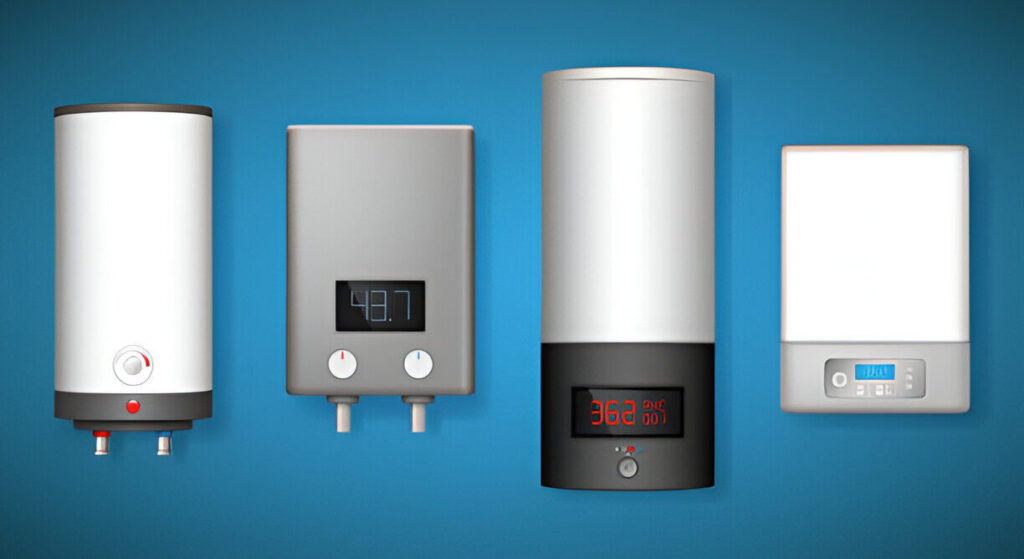
Winters in Islamabad don’t announce themselves politely — one week you’re fine, the next week the water coming out of your tap feels like it came straight off Margalla Hills. That’s usually when people start searching for geyser prices, and that’s exactly what this guide covers: current 2026 prices, which type suits your home, and what installation actually costs in Islamabad. Electric Geyser vs Gas Geyser — Which One Should You Buy? Before looking at prices, decide the type. Here’s the honest comparison for Pakistani households: Gas Geyser works best if your area has decent gas pressure. It heats faster and costs less to run — but with winter gas load shedding in many Islamabad sectors, low pressure can leave you with lukewarm water exactly when you need it most. Electric Geyser is the reliable option for areas with poor gas supply. It works regardless of gas schedule, but your electricity bill will feel it, especially with instant electric geysers running daily. For safe usage tips, read our electric geyser safety guide. Instant Geysers (both gas and electric) are ideal for small families and apartments — no storage tank, water heats as it flows. For larger families, a storage geyser (35–55 gallons) makes more sense. We’ve covered instant units in detail in our instant geyser safety and repair guide. Electric Geyser Prices in Pakistan 2026 Brand Capacity Approx. Price (PKR) Fischer 35 Gallon 42,000 – 48,000 Nasgas 40 Gallon 38,000 – 45,000 Canon 40 Gallon 36,000 – 44,000 Super Asia 50 Gallon 45,000 – 55,000 Instant Electric (imported) Tankless 25,000 – 60,000 Gas Geyser Prices in Pakistan 2026 Brand Capacity Approx. Price (PKR) Nasgas 35 Gallon 32,000 – 40,000 Canon 40 Gallon 34,000 – 42,000 Super Asia 50 Gallon 42,000 – 52,000 Instant Gas Geyser 6–8 Liter 18,000 – 35,000 Prices vary by market and season — geyser rates typically jump 10–15% in November–December when demand peaks. Buying in September–October usually saves money. Geyser Installation Cost in Islamabad Buying the geyser is half the story. Installation in Islamabad typically costs: Standard installation (replacing old unit): PKR 2,500 – 5,000 New installation (new pipe fitting/gas point): PKR 5,000 – 12,000 Instant geyser installation: PKR 2,000 – 4,000 Beware of untrained installers — a poorly fitted gas geyser is a genuine safety hazard. Gas leakage and carbon monoxide buildup cause accidents in Pakistan every winter, almost always due to bad installation or missing ventilation. 5 Things to Check Before Buying a Geyser Gas pressure in your sector — if it drops badly in winter, go electric Family size — 35 gallon for 3–4 people, 50+ for larger families Warranty — local brands offer 5–10 year tank warranties; verify the warranty card BTU rating (gas) — higher BTU heats faster but consumes more gas Installation space & ventilation — gas geysers must never be installed in closed bathrooms Not sure how a geyser actually works inside? Our guide on water geyser parts explains every component in simple terms. Need Geyser Installation or Repair in Islamabad? Muhammad Technical Services (MTS) provides professional geyser installation, repair, and maintenance across Islamabad — including F-6, F-7, F-8, G-9, G-10, G-11, I-8, DHA, and Bahria Town. Our technicians handle both gas and electric geysers, with proper safety checks included in every installation. 📞 Book a geyser technician today Frequently Asked Questions Geyser ki price Islamabad mein kitni hai? Electric geysers PKR 36,000 se start hote hain aur gas geysers PKR 32,000 se. Instant geysers PKR 18,000 se mil jate hain. Gas geyser behtar hai ya electric? Agar aapke sector mein gas pressure theek hai to gas geyser sasta parta hai. Low pressure areas ke liye electric behtar hai. Geyser installation mein kitna kharcha aata hai? Islamabad mein standard installation PKR 2,500–5,000 aur new fitting ke sath PKR 5,000–12,000 tak. Geyser kab kharidna sasta parta hai? September–October mein prices kam hoti hain. November–December mein demand ki wajah se rates 10–15% barh jate hain.
Water Geyser Parts Explained: A Homeowner’s Guide

Water Geyser Parts Explained: A Homeowner’s Guide Water geyser parts must be understood for safe, cost-effective maintenance and longevity. Each part is essential, from the tank and pipelines to the anode rod. This handbook covers the most important elements, their operations, maintenance, and when expert aid is needed. Table of Contents What Is a Geyser (Water Heater)? Core Geyser Parts Tank Dip Tube Heating Element / Burner Thermostat Pressure-Temperature Relief (T&P) Valve Anode Rod Drain Valve Safety & Efficiency Accessories Expansion Tank Heat Traps Insulation Blanket Common Problems and Maintenance When to Call a Professional Technical & Page-Speed Tips Conclusion FAQs What Is a Geyser (Water Heater)? A geyser, which is also called a water heater, saves and heats water for use in homes. It comes in two kinds: Storage tank geysers: Keep heated water ready Tankless (instant) models: Heat water on demand The majority of residences use storage types that employ electric coils or gas burners to heat water. It is easier to diagnose and repair problems with your geyser if you are familiar with its anatomy. If you’re checking out different models and their prices, looking at a detailed geyser prices list can give you a good idea of the usual price ranges and features from other brands. Core Geyser Parts 1. Tank The main tank that holds water. It is generally made of steel and has a glass liner. It has padding around it to keep heat in. If the tank is broken, it could leak or lose its volume (wiringpictures.net, elecsprout.com, lildutchuncle.com). 2. Dip Tube This is done by a plastic line that sends the cold water to the bottom of the tank. This makes it easier to heat. Water and low effectiveness are both signs of a broken dip tube. 3. Heating Element / Burner Electric models: One or two electric coils Gas models: A burner assembly heats the tank If water isn’t hot, this is often the first suspect (jnodtech.com, thespruce.com). 4. Thermostat In most cases, it keeps the water between 120°F and 140°F. If the heater isn’t working right, hot spots or cold water can happen (1tomplumber.com). 5. Pressure-Temperature (T&P) Relief Valve Getting rid of too much pressure or heat to stop fires is a crucial safety trait. Testing must happen regularly (thespruce.com). 6. Anode Rod A magnesium or aluminium bar that is used as a sacrifice and rusts instead of the tank. Checked every three to five years (1tomplumber.com). 7. Drain Valve Bottom-mounted sediment-flushing device. Sediment lowers efficiency and longevity (jnodtech.com). Safety & Efficiency Accessories Expansion Tank This compact tank is particularly effective in confined piping systems, as it absorbs additional pressure caused by thermal expansion (en.wikipedia.org). Heat Traps Devices or mechanisms on inlet and outlet pipes that inhibit heat loss due to thermosyphoning (en.wikipedia.org). Insulation Blanket Wraps around the tank to keep backup heat loss to a minimum; works well in cold places. Common Problems & Maintenance Lukewarm Water Faulty thermostat Broken dip tube Sediment covering the heating element No Hot Water Burnt heating element or broken burner Tripped breaker or malfunctioning thermostat Leaks from the T&P Valve This often indicates excessive pressure or a failing valve (jnodtech.com, intownplumbingtx.com, thespruce.com, elecsprout.com). Corrosion & Rusty Water A worn anode rod allows tank corrosion. Replace it promptly (1tomplumber.com). Sediment Buildup Makes things less effective, makes strange noises, or wears out elements. Every year, flush the tank (bhg.com). DIY Maintenance Tips Flush the tank annually to remove sediment (thespruce.com). Prevent corrosion by replacing the anode rod every three to five years (1tomplumber.com). Test T&P valve every few months: lift lever to ensure it flows. Check thermostat: confirm it’s at safe temps (around 120°F). Inspect expansion tank: test air side with a gauge. Always turn off the power and water before handling components. When to Call a Professional Call a licensed plumber or technician to handle: Faulty T&P valve Tank leaks Gas burner issues Major corrosion or element replacement Repairing gas or electrical parts can be dangerous, so pros make sure it’s done safely. Conclusion Knowing your water geyser’s parts will help you keep it safe, working well, and lasting a long time. All of the parts are very important. The vital tank, the temperature, the T&P valve, the supportive growth tank, and the insulation. Making simple fixes yourself and calling a pro only when you need to fix costs will be less, and you’ll have hot water for a longer time. FAQs Q: How long does a water spout last? A: Tank models usually last between 10 and 15 years, while tankless models may last longer than 20 (thespruce.com, thespruce.com, jnodtech.com). How often should you change the anode rod? A: Every 3–5 years, based on how much water is used and how well it is used. Q: Why does my T&P valve leak? A: Usually because of too much pressure or a broken valve; needs to be checked out or replaced. Q: Can I flush the tank on my own? A: Yes, once a year, disconnect power and gas, drain through the valve, and then refill carefully.
Horizontal Geysers in Pakistan — How They Work & Should You Buy One?
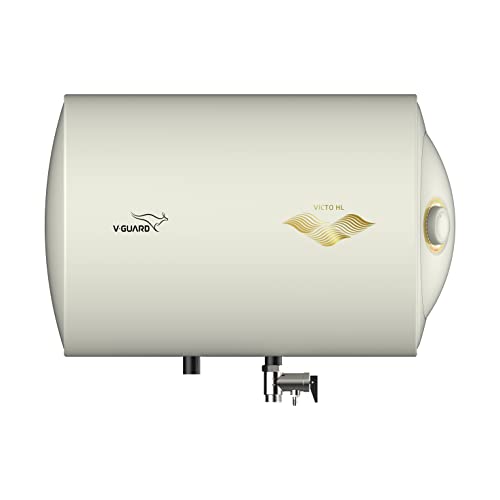
Walk into any sanitary market in Islamabad or Rawalpindi and you’ll notice horizontal geysers taking more shelf space every year. The reason is simple: modern homes and apartments have less space, and a horizontal geyser tucks above the bathroom ceiling or in a tight store room where a vertical unit won’t fit. Here’s how they work and whether one makes sense for your home. What Is a Horizontal Geyser? It’s a storage water heater designed to be mounted lying flat — typically above false ceilings, in lofts, or on brackets high on a wall. Internally it works like any storage geyser: a tank holds water, a gas burner or electric element heats it, and a thermostat maintains temperature. The engineering difference is in the tank’s internal design — the hot water outlet and cold inlet are positioned for horizontal operation so you still get properly hot water instead of a lukewarm mix. Curious about the components? See our geyser parts guide. Important: A vertical geyser laid on its side is NOT a horizontal geyser. Doing that ruins heating performance and can damage the unit — the internal pipes are positioned differently. Why Horizontal Geysers Are Popular in Pakistan Now Space saving — Apartments in Islamabad (E-11, G-11 heights, Bahria apartments) rarely have room for a 50-gallon vertical tank Hidden installation — Above the bathroom’s false ceiling, completely out of sight Better for modern interiors — No bulky cylinder in the bathroom or kitchen Both gas and electric options available from Pakistani brands Horizontal Geyser Prices in Pakistan 2026 Type Capacity Approx. Price (PKR) Electric horizontal 8–10 Gallon 22,000 – 32,000 Electric horizontal 15–20 Gallon 30,000 – 45,000 Gas horizontal 15–20 Gallon 35,000 – 50,000 Local brands including Nasgas, Canon, and Super Asia all offer horizontal models now. Compare with standard units in our complete geyser prices guide. Things to Know Before Buying Capacity is usually smaller. Horizontal units commonly come in 8–20 gallon sizes — fine for one bathroom or a small family, but a large family using multiple bathrooms may find it insufficient in peak winter. Installation quality matters more than the unit. A horizontal geyser above a false ceiling needs: proper support brackets (a filled 15-gallon tank weighs over 70 kg), an accessible drain path, and a drip tray in case of leakage — otherwise a leak destroys your ceiling before you even notice it. Electric is more practical for ceiling installation. Gas horizontal units need exhaust ventilation, which is complicated above a ceiling. Most ceiling installations in Islamabad are electric — read our electric geyser safety guide before installation. Maintenance access. Insist on an access panel in the false ceiling — a geyser you can’t reach is a geyser that never gets serviced. Horizontal vs Vertical — Quick Decision Guide Your Situation Best Choice Apartment / limited space Horizontal Large family, central supply Vertical (bigger capacity) Want hidden installation Horizontal electric Strong gas pressure, open space Vertical gas Horizontal Geyser Installation in Islamabad Installation is where horizontal geysers go right or wrong. Muhammad Technical Services installs horizontal geysers across Islamabad with proper bracket support, drip tray fitting, safe wiring with dedicated breaker, and drain access — plus repair and annual maintenance for all brands. 📞 Book installation Frequently Asked Questions Kya horizontal geyser ceiling ke upar lagana safe hai? Haan, agar proper brackets, drip tray aur access panel ke sath lagaya jaye. Ghatia installation leak hone par ceiling kharab kar deti hai. Horizontal geyser ki price kitni hai? Pakistan mein electric horizontal geyser PKR 22,000 se aur gas models PKR 35,000 se shuru hote hain. Kya vertical geyser ko leta kar horizontal use kar sakte hain? Bilkul nahi — internal design different hoti hai. Aisa karne se heating kharab aur unit damage ho sakta hai.
Electric Geyser Tips — Safe Use & Setup Guide for Pakistani Homes
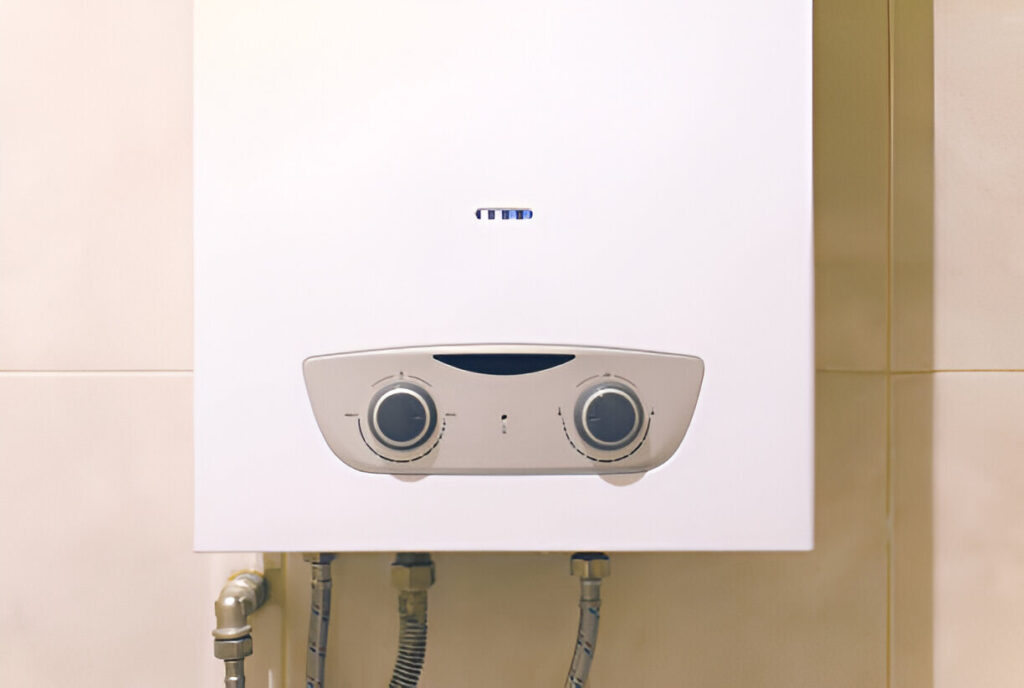
With gas load shedding hitting Islamabad hard every winter, more households are switching to electric geysers. They’re reliable — no dependence on gas pressure — but they bring their own rules: electricity and water together demand proper setup. This guide covers safe installation, bill-saving usage, and maintenance for Pakistani conditions. Why Electric Geysers Make Sense in Islamabad Now Winter gas schedules in many sectors leave homes without proper pressure exactly during morning hours when everyone needs hot water. An electric geyser sidesteps this completely. The tradeoff is the electricity bill — but with smart usage (covered below), the difference is manageable. Compare current unit prices in our geyser prices in Pakistan guide. Safe Installation Rules — Non-Negotiable Dedicated circuit breaker — An electric geyser draws heavy load (typically 1500–3000 watts). It needs its own breaker, not a shared plug with other appliances. Proper earthing — This is the single most important safety requirement. Faulty earthing with a leaking element can electrify the water itself. Get earthing tested by an electrician, especially in older Islamabad houses. Quality wiring — Thin or old wires heat up under geyser load and become a fire risk. Minimum 3/29 wire recommended for geyser circuits. ELCB/RCD breaker — A residual current breaker cuts power instantly if current leaks — literally a life-saver for water heating appliances. Installation height and access — The unit should be accessible for maintenance, with the drain valve reachable. How to Reduce Your Electric Geyser Bill Use a timer or smart switch. A storage geyser doesn’t need to run 24/7. Heating water for 1–2 hours before morning and evening use covers most families. This single habit can cut geyser-related electricity cost by half. Set thermostat to 50–55°C. Factory settings are often 65–70°C — hotter than anyone uses, and every extra degree costs money and shortens element life. Insulate the tank and hot water pipe. Older geysers lose heat constantly; an insulation jacket keeps water hot longer. Fix dripping hot water taps immediately. A dripping hot tap means the geyser keeps reheating replacement water all day — our plumber services in Islamabad can sort this in one visit. Common Electric Geyser Problems Water not heating — Usually a burnt element or failed thermostat. Elements in Islamabad’s boring-water areas fail faster due to scaling. Water too hot / boiling sounds — Thermostat failure. Turn it off and get it checked — a stuck thermostat can build dangerous pressure. Breaker tripping — Element leakage or wiring fault. Never bypass the breaker; that breaker trip is protecting you. Rusty/discolored water — The anode rod has depleted and the tank is corroding. Replacing the rod early saves the tank. Learn what each part does in our geyser parts guide. Annual Maintenance Checklist Drain and flush the tank once a year (removes scale buildup) Check element and thermostat condition Test the earthing and breaker Inspect the safety/pressure valve Electric Geyser Installation & Repair in Islamabad Muhammad Technical Services installs and repairs electric geysers across Islamabad with proper earthing checks, dedicated wiring guidance, and thermostat calibration included. 📞 Book a technician Frequently Asked Questions Electric geyser ka bill kitna aata hai? Usage par depend karta hai — timer ke sath 1-2 ghante subah shaam chalane par ek average family ka monthly cost gas geyser ke qareeb hi rehta hai. Electric geyser mein current aane ki wajah kya hoti hai? Kharab earthing aur leak hota element. Fori tor par band karein aur electrician bulayein — yeh khatarnak fault hai. Element kitne arse mein kharab hota hai? Normal paani mein 3-5 saal, lekin boring ke hard water mein scaling ki wajah se 1-2 saal mein bhi ja sakta hai.
Instant Geyser Safety, Usage & Repair Guide — Pakistan 2026
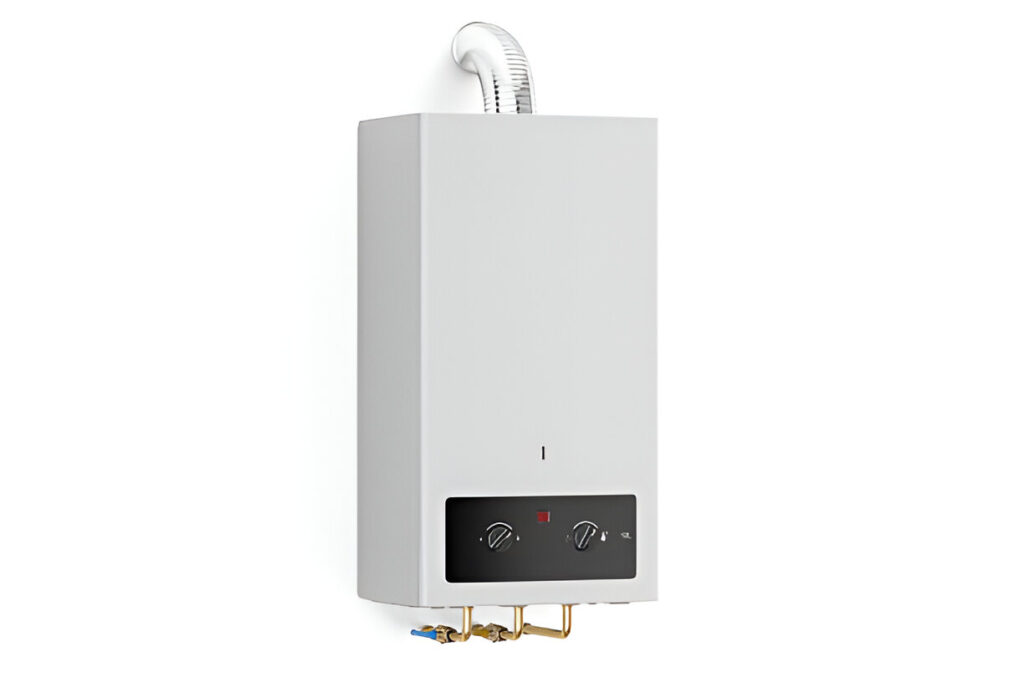
Instant geysers have taken over Pakistani homes in the last few years — they’re compact, don’t need a storage tank, and heat water on demand. But every winter, news reports of gas geyser accidents remind us that these units demand respect. This guide covers safe usage, common faults, and when to call a technician in Islamabad. How an Instant Geyser Works Unlike storage geysers, an instant geyser has no tank. When you open the hot water tap, water flows through a heat exchanger where a gas burner (or electric element) heats it instantly. Close the tap, and heating stops. This is why instant geysers save gas — but it’s also why water pressure matters so much: low pressure means the burner may not ignite at all. The Safety Rules That Actually Save Lives Gas instant geysers produce carbon monoxide — an odorless gas that can be fatal in closed spaces. Every winter in Pakistan, accidents happen for the same preventable reasons: Never install a gas instant geyser inside a closed bathroom. This is the single most important rule. Install it outside the bathroom or in a ventilated space, with only the hot water pipe going in. Ensure proper exhaust/flue pipe — burnt gases must vent outside, not into the room. Keep a window or vent open when using hot water for long periods. Check the flame color — it should be blue. A yellow/orange flame means incomplete combustion and carbon monoxide production. Get it serviced immediately. Turn off the gas valve when leaving home for several days. Common Instant Geyser Problems in Pakistan Geyser not igniting — Usually low gas pressure (common during winter load shedding hours in Islamabad), weak batteries in the ignition unit, or low water pressure. Replace batteries first — it fixes this more often than people expect. Water not hot enough — Low gas pressure, scaling inside the heat exchanger from hard water, or the temperature knob set too low. Boring water areas in Islamabad face scaling issues faster. Geyser turns off during use — Often the overheat safety sensor tripping, or fluctuating water pressure cutting the flow sensor. Smell of gas — Turn off the gas valve immediately, open windows, don’t switch anything electrical on or off, and call a technician. Never ignore this. Maintenance Schedule Every month: Check flame color and connections Every 6 months: Clean the burner and check the exhaust pipe Every year: Professional descaling of the heat exchanger (especially with boring water) Thinking of buying a new unit instead? Compare current rates in our geyser prices in Pakistan guide, or if space is tight, see whether a horizontal geyser suits your home. Instant Geyser Repair in Islamabad Muhammad Technical Services repairs and installs all instant geyser brands available in Pakistan — including local and imported units. Our technicians perform a complete safety check with every repair, including ventilation and exhaust inspection, across all Islamabad sectors. 📞 Book a geyser technician Frequently Asked Questions Kya instant geyser bathroom ke andar lagana theek hai? Gas instant geyser kabhi bhi band bathroom ke andar nahi lagana chahiye — yeh jaan lewa ho sakta hai. Electric instant geyser lagaya ja sakta hai lekin proper wiring ke sath. Instant geyser garam paani kyun nahi de raha? Sab se common wajah winter mein gas pressure ka kam hona hai. Iske ilawa ignition batteries ya scaling bhi wajah ho sakti hai. Instant geyser ki service kitne mein hoti hai? Islamabad mein general service PKR 1,500–3,000 aur descaling ke sath PKR 2,500–4,500 tak hoti hai.
Mini Geyser for Kitchen Use in India – Top Picks & Price Guide 2025
Mini Geyser for Kitchen Use in India – Top Picks & Price Guide 2025 Introduction Indian homes must have a mini geyser for kitchen because people want small, energy-efficient home appliances more and more. You can use these small water heaters to quickly perform tasks such as washing dishes, cleaning vegetables, and maintaining a clean kitchen. If you want to improve your kitchen in 2025, this guide will show you the best small geysers on the market, including Geyser Prices, features, and how to pick the right one. Why Choose a Mini Geyser for Kitchen? 1. Space-Saving Design Mini geysers are smaller than regular water heaters and are made to fit in even the smallest kitchens. 2. Energy Efficiency Mini geysers use less electricity, which helps people save money on their power bills while still being convenient. 3. Instant Hot Water These tools heat water almost instantly, making them ideal for quick jobs in the kitchen. Top 5 Mini Geysers for Kitchen Use in India (2025) 1. Bajaj Flora Instant 3L Vertical Water Heater Capacity: 3 litres Power: 3000 Watts Price: INR 2,499 approx. Features: Fire-resistant wire, neon light, and a long-lasting inner tank 2. Crompton Bliss 3-Litre Instant Water Heater Capacity: 3 litres Power: 3000 Watts Price: INR 2,700 approx. Features: Body that doesn’t rust, high-tech control, quick heating 3. Havells Instanio 3-Litre Instant Geyser Capacity: 3 litres Power: 3000 Watts Price: INR 3,000 approx. Features: LED lights, an ABS body, and a copper heating element 4. V-Guard Zio Instant Water Heater Capacity: 3 litres Power: 3000 Watts Price: INR 2,850 approx. Features: Anti-splash design, resistance to pressure, and long-lasting construction 5. Racold Pronto Neo Instant 3L Geyser Capacity: 3 litres Power: 3000 Watts Price: INR 3,200 approx. Features: High resistance to pressure, safety valve, and small size Key Features to Consider Before Buying 1. Capacity Even though most small geysers can hold 3 litres, it’s essential to ensure that it meets your kitchen’s needs. 2. Power Consumption For quick results that don’t waste energy, look for models with 3000W heaters. 3. Build Material Inner tanks made of stainless steel and upper bodies made of ABS are chosen because they are more durable and resistant to rust. 4. Safety Features To ensure they are safe to use, check for thermal cut-off devices, pressure release valves, and heating protection. 5. Installation & Maintenance Select a model that includes fitting assistance and is easy to install on the wall. Price Comparison Table Brand Model Capacity Power Price (INR) Warranty Bajaj Flora 3L 3000W 2,499 2 Years Crompton Bliss 3L 3000W 2,700 2 Years Havells Instanio 3L 3000W 3,000 2 Years V-Guard Zio 3L 3000W 2,850 2 Years Racold Pronto Neo 3L 3000W 3,200 2 Years Expert Tips for Best Use Put it near where the water comes out to keep pipes from losing heat. Insulated pipes will help keep the water at the right temperature. To save power, turn off the fountain when not in use. Conclusion One of the most incredible things that Indian homes can get in 2025 is a mini geyser for kitchen. These tools make your daily cooking tasks easier by being compact, using less energy, and providing quick hot water. With our help, you can make an intelligent choice and feel the warm water without any trouble. FAQs about Mini Geysers for Kitchen Use Q1: Can I use a bathroom geyser in the kitchen? In a technical sense, kitchen geysers are designed to meet the needs for smaller and faster hot water. Q2: How much electricity does a mini geyser consume? The fact that most 3L types are only used for short periods and consume approximately 3000W makes them energy-efficient. Q3: Is installation included with the product? Many brands offer free or discounted services. For more information, please visit the product page or the store. Q4: What is the warranty on mini geysers? The goods warranty lasts for one to two years, and the tank guarantee lasts for five years. Q5: Are mini geysers safe for continuous use? Yes, as long as they have safety measures built in, like auto-off and temperature control. External Resources Bureau of Energy Efficiency India Consumer Complaints on Geysers Energy Saving Tips – Ministry of Power Flipkart Instant Geyser Deals