What a Commercial Plumber Does: Key Services Explained
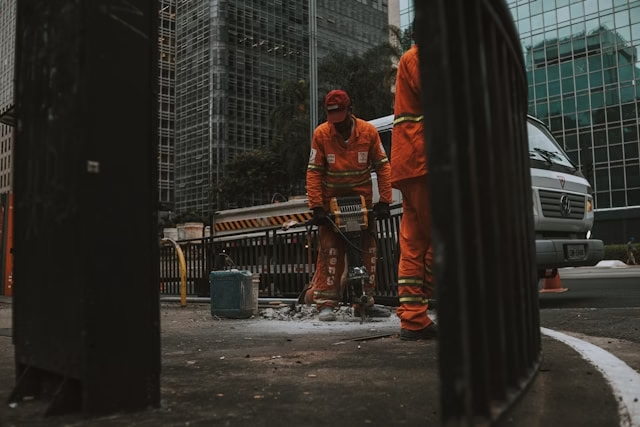
What a Commercial Plumber Does: Key Services Explained Introduction A commercial plumber’s main job is to set up, maintain, and fix water systems in factories, schools, restaurants, office buildings, businesses, and other significant buildings. These plumbing systems are more complicated than home plumbing systems because they deal with more water and waste. Because this is such a large project, it is very necessary to engage a qualified plumber in order to have the work done correctly. It is essential to have the necessary expertise and experience. Regardless of the gender that you select to be a plumber. Now, a lot of business owners know how important it is to work with a female plumber who is just as skilled, professional, and reliable as any other experienced plumber. Key Services of a Commercial Plumber When it comes to catering to the requirements of businesses that operate on a massive scale, there is a large variety of services that a company plumber may provide. Whose purpose is to fulfill those requirements in a certain way. Many new services are being created for commercial buildings. Services have been developed to help renters satisfy their requirements. Included below are the primary services that they offer: Commercial Plumbing Installation One of the main things that a Lawrenceville Plumber is responsible for when they are hired is installing plumbing systems in newly built buildings or fixing up the plumbing in buildings that are already there. One important job they are in charge of is this, which usually involves setting up and maintaining complicated systems. Water Supply Systems: Making sure that water lines are put in so that a business property can meet its needs. Drainage Systems: Building sewage and drainage systems that can handle the amount of trash that businesses produce. Fixtures and Appliances: Installing water fountains, showers, sinks, toilets, and other necessary plumbing facilities. Working with an expert plumber is essential in commercial plumbing since installations must be strong and able to sustain extensive usage. Commercial Plumbing Repair Significant delay, a loss of clients, and even expensive property damage may result from plumbing problems in a company. Repair services for a range of plumbing-related issues are offered by a business plumber, including: Leaking Pipes: Any water leaks that could cause damage and higher water bills need to be fixed. Clogged Drains: Clearing out clogged drains that could stop the flow of water or waste is very important in a business setting. Broken Fixtures: Changing or fixing taps, toilets, and other water items that don’t work right. For businesses to avoid downtime and keep things running efficiently, they need repair services that can be done quickly. Drain Cleaning and Maintenance These are drains that get clogged up all the time in places like hotels, bars and office buildings where a lot of people walk by. A business plumber can clean and maintain drains professionally which can include the following: Hydro-jetting: High-pressure water is used in this method to clear out jams and keep them from happening again. Routine Maintenance: Drains can stay clear before they become big problems if they are checked and cleaned regularly. Because commercial plumbing systems deal with more waste, it’s essential to keep the draining system in good shape. Water Heater Services In most business settings, like kitchens, bathrooms, and cleaning areas, hot water is necessary. Professional plumbers for businesses can install, fix, and maintain water heaters so that businesses never run out of hot water. Some standard plumber services are: Installation of Commercial Water Heaters: Choosing and setting up water heaters that can handle the high needs of businesses. Routine Inspections: Ensuring that water heaters are up to code and working well. Repairs and Replacements: Changing or fixing water heaters that don’t work or are giving you problems like leaks or temperatures that don’t stay the same. The Importance of Regular Maintenance As with any building’s plumbing system, regular maintenance is essential for commercial properties. Plumbing systems, like any other component of a company, need constant maintenance in order to ensure that they continue to function without any hiccups. Obtaining routine maintenance services from a business plumber may be beneficial in the following ways: Prevent Expensive Repairs: It is essential to find minor problems before they get worse and cost more to fix. Extend Equipment Life: Water heaters, pipes and other fixtures may survive longer if plumbing systems are well-maintained. Ensure Business Continuity: Keep plumbing problems from interfering with or stopping company activities. It is necessary for a company to handle plumbing requirements in a proactive manner in order for the firm to continue operating. Having a business plumber do routine inspections guarantees that everything continues to function without any problems. When to Call a Commercial Plumber There are a few signs that suggest it might be a good idea to reach out to a commercial plumber for help. Here are a few of the most common indicators: Slow or Clogged Drains: This could mean that there is a bigger problem with the pipes. Foul Odors: An enduring foul odor may signify a malfunction in the drainage system or a septic concern. Low Water Pressure: A decrease in water pressure can point to issues like clogged pipes or a malfunctioning water heater. Visible Leaks: If you see any obvious signs of lines leaking, especially in places with a lot of foot activity, you should fix them right away. Frequent Clogs: If clogs happen a lot, there may be a deeper problem that needs the help of a plumber. If any of these things happen, you need to call an industrial plumber right away to stop more damage and keep your business running. How to Choose the Right Commercial Plumber It’s essential to pick the right commercial plumber for your business. When choosing a plumber for your business, here are some things to think about: Experience and Specialization: Make sure the plumber knows how to work with big systems and how to meet the specific needs of business buildings. License and
How Long Does It Take to Become a Plumber?
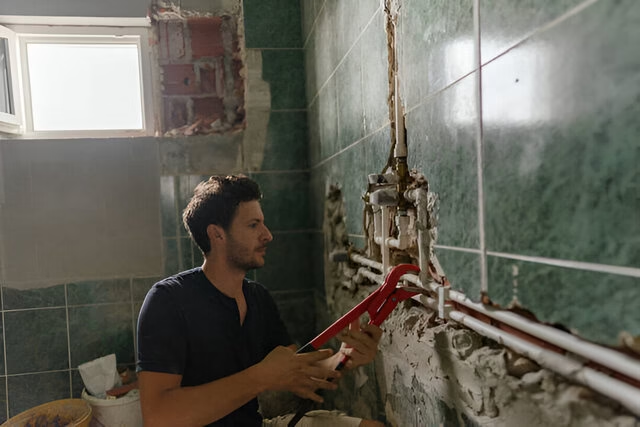
How Long Does It Take to Become a Plumber? Introduction Becoming a plumber is a gratifying career that offers financial stability and job security. But just how long does it take to become a plumber? This article will walk you through the process of becoming a plumber, including training certification and apprenticeships. That way you know exactly what to expect as you work toward this goal. How long does it take to finish an internship and what must you do to get a license? We’ll talk about all the essential things that will help you begin. What Does a Plumber Do? It’s important to know what a plumber does before we talk about how long it takes to become one. Professionals with the right skills, like plumbers set up, manage and fix systems. In homes, businesses and workplaces, they work with gas, water and other liquids. Often, they are in charge of gas lines, drains and sewer hookups. We value their important role in daily life so much that we even have National Hug a Plumber Day to honor their hard work and commitment. Steps to Becoming a Plumber To become a plumber, you need to take a few critical steps. The exact time frame will depend on where you live and the training programs offered. The general process stays the same. 1. Complete a High School Diploma or GED Getting your high school diploma is the first thing you must do to become a plumber. Most people need a high school diploma or GED to get into plumbing training classes. Taking math, physics and mechanical drawing classes in high school can be good. These courses will help you learn how to do plumbing work. 2. Enroll in a Plumbing Program People who want to become plumbers usually go to a trade school or community college after high school to finish a plumbing program. It can take anywhere from 6 months to 2 years to finish these programs, based on the certification level and the training depth. These classes teach safety rules, plumbing codes, and how to read pipefitting blueprints. 3. Complete an Apprenticeship An internship is the next thing you need to do to become a plumber. As an apprentice, you can learn by doing while supervised by a professional plumber. Most apprenticeships last between three and five years. Based on the rules in your area, At this time, trainees learn both on the job and in the classroom, which gives them the skills they need to do plumbing work on their own. 4. Obtain a Plumbing License You must pass a licensing test after your apprenticeship is over to become a fully licensed plumber. Each state has rules about getting a license, but most tests check how much you know about plumbing codes, safety rules, and systems. Most of the time, the test has both written and practice parts. You will be able to work on your own once you get your plumbing license and pass the test. 5. Consider Specializations By getting a license as a plumber, you can choose to focus on certain types of plumbing, like home plumbing, business plumbing, or industrial plumbing. Making more money and finding more job possibilities by specializing is possible. Some plumbers also try to get licenses in certain areas. Like gas fittings or units that clean water. Which can help them gain better skills and credentials. How Long Does It Take to Become a Plumber? Now that we’ve outlined the steps let’s answer the key question: How long does it take to become a plumber? High School Education: 4 years (if you haven’t completed this yet) Plumbing Program: 6 months to 2 years Apprenticeship: 3 to 5 years Licensing Exam: Varies (usually a few months to prepare for the exam) Most of the time, it takes between 4 and 7 years to finish school and get your plumber license. How long it takes depends on what you want to learn and what your job needs. Today, even a female plumber can go through the same training, showing that anyone with the right skills and determination can become a plumber. Benefits of Becoming a Plumber It can take a long time to become a plumber, but the job has a lot of benefits. Take a look at these benefits: Job Security: The demand for plumbers is expected to grow steadily, offering strong job security. Competitive Pay: Plumbers can earn a good salary, with opportunities to increase income through specialization or owning a plumbing business. Flexibility: Many plumbers can work independently or join established companies. Variety of Work: A commercial plumber can handle a wide range of projects, from residential plumbing jobs to large-scale commercial installations. Factors That Influence the Time It Takes to Become a Plumber Several factors can affect how long it takes to become a plumber. These include: State Requirements: Each state has different licensing requirements and regulations that can impact the time it takes to become a plumber. Educational Path: The timeline may differ if you attend a full-time plumbing program versus a part-time or online program. Experience: The more hands-on experience you gain, the quicker you can pass your licensing exam and begin working independently. What to Expect During Your Apprenticeship One of the most critical parts of the process is the apprenticeship step. You will learn the trade by working closely with a qualified plumber during this time. You’ll learn skills like the ones below: Pipe Installation and Repair: Learning how to install and repair various types of pipes. Water Heater Installation: Installing and maintaining water heating systems. Drainage Systems: Understanding how to install and maintain drainage and sewer systems. Blueprint Reading: Reading and interpreting blueprints to understand plumbing designs. Conclusion To sum up, becoming a plumber can take 4 to 7 years, based on how long you need to go to school, do an apprenticeship, and get a license. However, the time and work are worth it for a job that pays well,