How to Unclog AC Drain Line: Easy Step-by-Step Guide
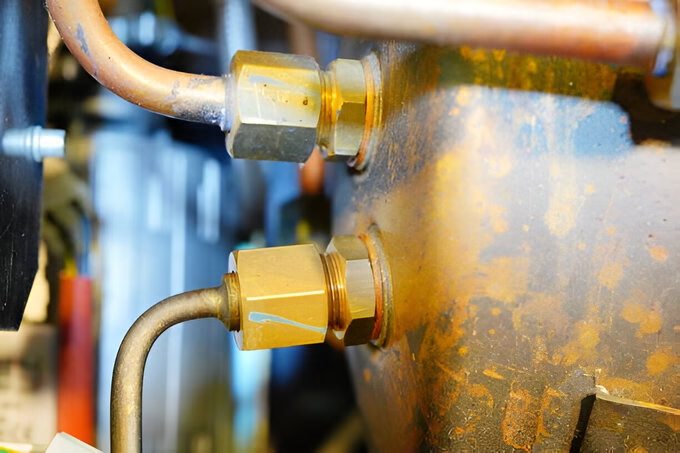
How to Unclog AC Drain Line: Easy Step-by-Step Guide A clogged AC drain line is a common problem in homes that can lead to water damage, less effective cooling, and musty smells. It can save you time, money, and stress to know how to Unclog AC drain line. If you want to fix the problem and keep it from happening again, this complete and simple guide will show you how. What Is an AC Drain Line? The AC drain line, also called the condensate drain line, is a pipe that gets rid of the extra water that your air conditioner’s evaporator coil makes. Your air conditioner does more than cool your home; it also removes moisture from the air. This water builds up in a drip pan and drains away through the condensation line. Why Does the AC Drain Line Get Clogged? Dust, algae, mold, and other things can get stuck in the drain line over time, stopping the flow of water. Some common reasons are: Do not do regular cleaning. High humidity levels Dirty air filters Infrequent use of the AC system If this line gets clogged, water will back up into the unit and could overflow, which could damage your house. Signs Your AC Drain Line Is Clogged You need to know what a clog looks like before you can learn how to Unclog AC drain line. Keep an eye out for: There is a pool of water near the central AC unit. Musty or moldy odors The AC unit isn’t cooling right. High indoor humidity levels The AC is turning off without warning. Tools and Supplies You’ll Need The following tools will help you clear the blockage: Wet/dry vacuum Funnel or flexible tubing Distilled vinegar or bleach Pipe brush or stiff wire Screwdriver (to open panels) Bucket and towels Step-by-Step Guide: How to Unclog AC Drain Line Step 1: Turn Off the Power First, safety! To keep your family safe, always turn off the power to your HVAC system at the thermostat and breaker box. Step 2: Locate the Drain Line You can find the AC drain line near the outdoor condenser unit or inside near the air handler. It is usually a white or PVC pipe. Step 3: Inspect the Drain Line Check for clear signs of clogging or water that won’t go away. To check for buildup, take off the cap from the T-shaped vent that leads to the drain line. Step 4: Use a Wet/Dry Vacuum Put the vacuum on the end of the drain line that is outside your house. Cover the hole with duct tape or a towel, and then run the vacuum for two to three minutes. The clog should be gone with this pressure. Step 5: Flush the Drain Line Mix one cup of warm water with one cup of pure white vinegar. Pour this into the drain line through the entry point. Mold and bacteria will die after 30 minutes. You could also use a weak bleach solution (1:1 with water) if the maker lets you. Step 6: Rinse with Water Once the vinegar or bleach has done its job, use a scoop or pipe to flush the line with clean water to make sure it’s dry. Step 7: Reassemble and Turn the Power Back On When the drain line is dry and clean, put the access cap back on and turn the power back on. Preventing Future AC Drain Line Clogs Follow these repair tips to keep your AC system working well: Every month, flush the drain line with vinegar. Every 1 to 3 months, change the air filters. Schedule HVAC checks once a year. Clean up the area around the inner unit. Put in a float switch to find clogs early. To save energy, set your setting to 24–26°C (75–78°F), which is the best temperature for air conditioning. This helps lower the heat and stress on your system, which makes clogs less likely. Real-World Example A homeowner in Florida said that even though the AC was on all the time, there was a musty smell and high humidity. The expert looked and saw that algae had plugged the AC drain line. A quick vacuum and vinegar flush solved the problem and made the house comfortable again. Pros and Cons of DIY Drain Line Cleaning Pros: Spends less on service calls Simple tools make it easy to do Stops water damage Cons: Might not clear out big clogs Possible damage to the machine if not done right Fears for safety without turning off the power Conclusion If you know how to Unclog AC drain line, you can avoid expensive fixes and water damage. You can keep your system going well with just a few simple tools and regular upkeep. If you try to fix the problem yourself and it doesn’t work, don’t be afraid to call a professional HVAC expert. FAQs What causes AC drain lines to clog? Inside the pipe, dirt, mold, algae, and other things get stuck, stopping the flow of water and leading to floods. Can I use bleach to unclog my AC drain line? Of course, you can use a 1:1 bleach and water mix, but first, check your AC instructions to make sure it’s safe. How often should I clean my AC drain line? The AC pipeline should be cleaned once a month, more often in the summer. When should I call a professional? If you try to fix the problem yourself and fail, or if you keep having clogs, water leaks, or the system stops working, you should call a qualified HVAC expert. External Reference Energy.gov HVAC Maintenance Tips
Best AC Temperature Settings for Pakistani Summer — Comfort + Lower Bills
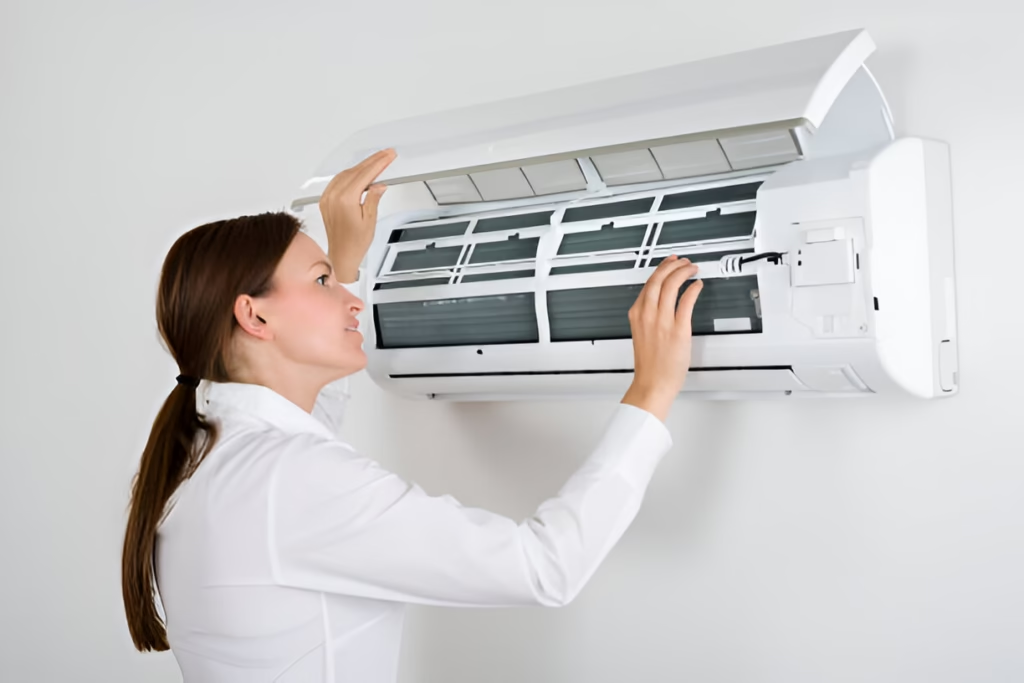
Every Pakistani household has this argument: someone sets the AC at 16°C “to cool the room faster,” someone else insists 26°C is enough. One of them is wasting serious money — and it’s not the 26°C person. Here’s what actually works for Pakistani summers, backed by how ACs really operate. The 16°C Myth — Why It Doesn’t Cool Faster An AC cools at the same speed regardless of the set temperature. Setting 16°C instead of 26°C doesn’t make the room cool faster — it just makes the compressor run longer after the room is already comfortable, burning electricity to reach a temperature nobody actually enjoys. If you want faster cooling, use Turbo/Jet mode for 10–15 minutes, then let it settle at your normal temperature. The Ideal Setting: 26°C For Pakistani summers, 26°C with fan on auto is the proven sweet spot: Comfortable for most people, especially with a ceiling fan running on low Every degree below 26°C increases electricity consumption by roughly 6–8% The difference between running at 20°C vs 26°C over a month can be thousands of rupees on your bill Pro combo: AC at 26°C + ceiling fan on slow speed. The fan circulates cool air, making 26°C feel like 24°C — at a fraction of the cost of actually setting 24°C. Settings by Situation Situation Recommended Setting Daytime, normal use 26°C, Cool mode, fan auto Extremely hot afternoon (40°C+) 24–25°C temporarily, back to 26 Night sleeping 26–27°C + Sleep mode ON Monsoon humidity (July–Aug) Dry mode, 26°C Room with direct sunlight Close curtains first — makes 2-3°C difference Confused about which button does what? Our Dawlance AC remote guide and Orient AC remote guide explain every mode. AC and Load Shedding — The Pakistani Reality Load shedding and voltage fluctuation damage more ACs in Pakistan than actual wear and tear. Protect your investment: Use a voltage stabilizer for non-inverter ACs — a single low-voltage restart can damage the compressor Wait 3–5 minutes after power restoration before turning the AC back on (inverter ACs with restart delay handle this automatically) Inverter ACs handle fluctuation better and consume less at stable temperatures — worth it if you’re buying new On generator/UPS: most home setups can’t handle AC startup load. Don’t try it unless your system is specifically sized for it. Habits That Cut Your AC Bill Without Sacrificing Comfort Service the AC before every summer — a dirty filter alone can raise consumption 10–15% Seal door gaps; cooled air escaping means the compressor never rests Turn the AC off 30 minutes before leaving — the room stays cool that long anyway Use Sleep mode at night instead of running full cooling for 8 hours AC Service & Repair in Islamabad If your AC struggles to cool at 26°C, the problem isn’t the temperature — it’s usually low gas, a dirty filter, or a clogged outdoor unit. And if it’s dripping water indoors, see our AC water leakage repair guide. Muhammad Technical Services provides AC servicing, gas charging, and repair across all Islamabad sectors, same-day in most cases. 📞 Book AC service Frequently Asked Questions AC ka best temperature kya hai bill bachane ke liye? 26°C — ceiling fan ke sath yeh comfort aur saving dono deta hai. Kya 16°C par AC jaldi thanda karta hai? Nahi — cooling speed same rehti hai. Sirf compressor zyada der chalta hai aur bill barhta hai. Load shedding se AC ko kaise bachayein? Non-inverter AC ke sath stabilizer lagayein aur bijli aane ke 3-5 minute baad AC on karein.
Domestic Electrician Services Explained Simply
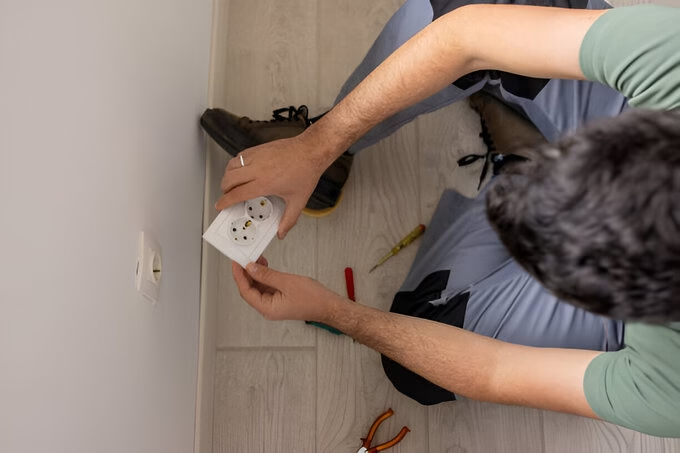
Domestic Electrician Services Explained Simply You’ve likely needed a house plumber at some point if you own your own home. But what does a home plumber really do? And why is it important to get a good one? This complete guide breaks down the work of a domestic electrician into easy-to-understand steps. It tells you when to call one and how to pick the best one for your needs. What is a Domestic Electrician? As the name suggests, a household electrician’s main job is to set up, manage, and fix electrical systems in homes. Their job is to make sure that houses are safe, up to code, and use energy efficiently. Key Responsibilities: Putting in and changing out home wiring Putting in ceiling fans and light fixtures Putting in or changing the electricity plugs and switches Putting in new circuit switches and fuse boxes Doing checks for electricity safety Why Hire a Domestic Electrician? It can be dangerous to work with electricity. A qualified home electrician knows how to do the job properly and safely and has the right tools for the job. Benefits of Hiring a Professional: Safety: Keeps you safe from things like electricity, fires, and shocks Compliance: Makes sure the work follows the rules in the area Expertise: Checks for problems correctly Insurance: A lot of the time, home insurance covers professional work. Carpenter vs Electrician: Who to Call for Home Projects? When deciding between a carpenter vs electrician. It’s important to know who handles what. Domestic electricians do all kinds of electrical work. While builders work with wood and build things. If your job includes both building and wiring like putting in hidden lights in a wooden ceiling or installing a spa setup you might even need a Hot Tub Electrician. For safety and effectiveness always talk to the right professional. Common Services Offered by Domestic Electricians 1. Electrical Installations Electricians set up all the wires and power in a home, whether it’s a new build or a renovation. This includes things like plugs, lights, and machines. 2. Fault Finding and Repairs Your lights might be flashing, or your outlets might not be working. A household electrician can figure out what’s wrong and fix it. 3. Fuse Box and Consumer Unit Upgrades Fuse boxes in older homes may not work as well as they used to. For better safety, electricians replace these with new customer units that have RCDs (residual current devices). 4. Lighting Installation Electricians make sure that all kinds of lighting, from chandeliers to LED downlights, are set up safely and correctly, both inside and outside. 5. Electrical Inspections Routine checks find problems that aren’t obvious and keep people safe. They are often needed when selling or buying a home. Signs You Need a Domestic Electrician Lights that flicker or dim A lot of circuit breakers trip A burning smell coming from the plugs or switches Wiring that is too old (mostly in homes over 30 years old) We need more power sources or power ability. How to Choose a Reliable Domestic Electrician 1. Check Licensing and Certifications Make sure that the electrician has a license and insurance. On the island of Great Britain, look for NICEIC or NAPIT marks. 2. Read Reviews and Testimonials Customer reviews on sites like Trustpilot and Google Reviews can show how good a service is and how reliable it is. 3. Ask for Quotes Get more than one quote so you can compare prices and job scopes. Be wary of prices that seem too low. 4. Confirm Warranty and Guarantees Trustworthy electricians will cover both the parts and the work they do. 5. Assess Communication and Professionalism A good electrician will be able to explain problems and come up with good answers easily. Conclusion It doesn’t have to be hard to understand what a home electrician does. These trained workers make sure that the electrical systems in your home are safe, working well, and up to code. To get the job done right, you should always hire a licensed and trustworthy household electrician, whether you’re changing a fuse box or putting in new lights. A Commercial Electrician is the right person to call if you’re working on real estate for a business. FAQs About Domestic Electricians Do I need an electrician to replace a light fixture? Yes. Some people try to do their installs, but it’s safer and often required by law to have a professional electrician do it. How much does it cost to hire a domestic electrician? Costs depend on where the job is and how hard it is. Hourly rates will be between £40 and £90, and parts will cost extra. Are electrical inspections mandatory? Most of the time, yes, especially when homes are being sold or rented. They make sure that the building meets current safety standards. Can an electrician help with smart home devices? Of course. A lot of home engineers set up and install smart home systems like security, lights, and heaters. External Resources TLPorterElectrical-A Domestic Electrician MahirCompany-Electrician Services
Carpenter vs Electrician: Which Trade Is Right for You?
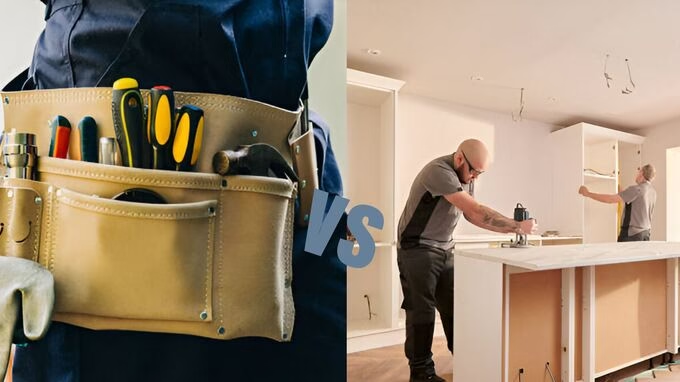
Carpenter vs Electrician: Which Trade Is Right for You? Picking a skilled job can change your whole life. Carpentry and electricity work are two of the most recognised and sought-after skills. You have to choose between becoming an electrician vs carpenter. That being said, this guide will break down the pros and cons of each road and help you choose the one that fits your goals the best. Understanding the Basics What Does a Carpenter Do? Carpenters use wood and other materials to build, place, and fix things like buildings and furniture. They might be experts in things like finishing, framing, or building cabinets. Typical tasks include: Learning how to read plans and scientific drawings Cutting, measuring, and putting together things Putting up walls, floors, doors, and windows fixing up and redesigning old buildings What Does an Electrician Do? Electricians set up, maintain, and fix electrical systems in homes, companies, and factories. They work with electrical parts like plugs, circuit switches, wires, and more. A foreman electrician is usually in charge of a group of electricians working on big projects. They make sure that the work is done safely, well, and on time. Typical tasks include: Drawing and reading wiring diagrams Putting in and fixing lighting, control, and wiring systems. Checking the safety and efficiency of electricity systems Making sure that building rules are followed Educational Requirements Carpenter Training Path High school diploma or GED Apprenticeship (3-4 years) Optional training or tech school Electrician Training Path High school diploma or GED Formal apprenticeship (4-5 years) State licensing exam Continuing education for code updates Note: Most states require electricians to have licenses, but some don’t require permits for builders unless they work as contractors. Skill Sets Needed Skills for Carpenters: Strength and skill of the hands Attention to detail Basic math and geometry Knowledge of materials and tools Skills for Electricians: Strong problem-solving skills Understanding of electrical theory Ability to keep going and focus on what you’re doing Being able to work at heights or in small areas Work Environment and Conditions Carpenters: Usually work outside or on busy building sites. Exposed to weather conditions and noise Risk of cuts, falls, or injuries from tools. Electricians: Work indoors and outdoors May find their way through attics or hidden rooms Electrical shock risk if safety rules aren’t followed Career Outlook and Salary Job Growth According to the U.S. Bureau of Labour Statistics: Carpenters: Projected job growth of 2% from 2022 to 2032 Electricians: Projected job growth of 6% over the same period Salary Comparison (2025 Averages) Carpenters: ~$54,000 per year Electricians: ~$65,000 per year Because license standards are getting tighter and the need for electrical equipment is rising, electricians tend to make more money and have more job stability. Pros and Cons of Each Trade Carpenter Pros: Creative and satisfying work Lower entry barrier Versatile skill set Carpenter Cons: Lower average salary Physically demanding Susceptible to seasonal slowdowns Electrician Pros: Higher income potential Strong job security Steady demand for skilled electricians Electrician Cons: Extensive training and licensing required Higher safety risks May involve stressful troubleshooting Which Trade is Right for You? Ask yourself the following questions: Would you rather work with your hands (as a builder) or figure out complicated processes (as an electrician)? Do you like visual or artistic work more, or do you like fixing scientific problems? Do you want to get a job faster (as a builder) or get paid more over the long run (as an electrician)? Final Thoughts Both trades offer rewarding jobs with good job prospects. If you like making things, you might be interested in becoming a carpenter. You should become an electrician if you enjoy working with technology and processes. Putting money into a trade can lead to a safe and profitable future, either way. External Resources and References For more information, consider visiting: U.S. Bureau of Labor Statistics – Electricians National Electrical Contractors Association (NECA)
Foreman Electrician Salary, Skills and Career Growth in 2025

Foreman Electrician Salary, Skills and Career Growth in 2025 Introduction As building technology improves and the need for skilled workers grows the job of a foreman electrician will continue to change. This job has become more valuable, competitive and necessary on job sites across the U.S. as we move into 2025. If you’re an engineer who wants to be a supervisor or who already is one. It’s important to know how much they make, what skills they need and what job options are available. In this guide, we’ll explore: How much will electricians be in charge of making in 2025? The most important and advanced skills Ways to move up in your career and growth in your business Advice on how to stay competitive and make more money What Is a Foreman Electrician? A manager electrician is a senior electrician who is in charge of a group of workers on a job site. They are in charge of: Overseeing the setup and upkeep of electricity systems Making sure that the area safety and building rules are followed Getting customers, workers and project managers to work together Getting supplies and keeping track of plans With its mix of hands-on experience and project management this is one of the most exciting skilled trades jobs. Certifications and Education You don’t need a college degree to become a master electrician, but understanding how long it takes to become an electrician and gaining certain qualifications can help improve your reputation and salary. A journeyman electrician’s licence is needed in most states. Master Electrician License OSHA 30 Certification Those who want to work in top management can become Project Management Professionals (PMPS). NFPA 70e Electrical Safety Certification Foreman Electrician Salary in 2025 National Average As of 2025, the average pay for a master electrician in the U.S. is between $70,000 and $95,000 per year. In high-demand places skilled workers make over $100,000 per year. Salary by Experience Level Experience Average Annual Salary 5–7 Years $70,000 – $80,000 8–10 Years $85,000 – $95,000 10+ Years $95,000 – $110,000 Top-Paying States for Foreman Electricians California: $100,000+ New York: $95,000+ Washington: $92,000+ Texas: $88,000+ Illinois: $85,000+ Core Skills Required for a Foreman Electrician You’ll need more than just wiring skills to do well in this leading job. These are the most important skills: Technical Skills A deep understanding of the National Electrical Code (NEC) Being good at using plans, diagrams and CAD sketches Having experience with wiring in homes, businesses and factories Leadership and Communication Supervising a team and resolving conflicts Open lines of contact with project partners and workers Being able to teach trainees and young electricians Project Management Management of time and resources Tracking the budget and buying materials Enforcing safety rules and following OSHA rules Problem-Solving Abilities Figuring out complicated electrical problems Giving job places real-time answers Getting used to sudden changes or delays in a project Career Growth and Future Outlook Industry Growth The BLS says that the need for electricians will grow by 6% between now and 2032, which is faster than the average for all jobs. The rise of Green energy Smart building systems Commercial construction booms …means more job opportunities for skilled supervisors. Career Pathways Electrical Project Manager Construction Superintendent Electrical Estimator Business Owner (Electrical Contractor) How to Advance Your Career Attend leadership training and trade shows. Network within local trade unions or industry groups Learn how to use new tools like solar panels and building control systems. FAQs How do I become a foreman electrician? You typically need: A high school diploma or GED 4-5 years as a journeyman electrician Strong leadership and problem-solving skills Certifications like OSHA 30 and NEC familiarity Is it hard to be an electrician’s foreman? It might be because you have to deal with people, scheduling, and technology issues. But a lot of people enjoy the job because they get paid well and have to be leaders. I don’t have a trainee’s licence. Can I become a foreman? No, in most states. To officially lead a group, you need to be an apprentice or master electrician. Conclusion In 2025, a master electrician’s job is more important than ever. This is a great career path for plumbers who are ready to take charge because the pay is good, there are chances to move up, and the job market is always growing. If you already work as an electrician, getting certified and learning how to be a leader could be your next big move. Foreman electricians will continue to actually power the future, whether they’re in charge of high-rise installations or home repair teams. Interested in growing your career as a foreman electrician? Stay updated on salary trends, certifications, and career advice by bookmarking trusted resources like the Bureau of Labor Statistics, NECA, and Electrical Contractor Magazine.
How Long Does It Take to Become an Electrician?
How Long Does It Take to Become an Electrician? In the US, being an electrician is a good job with steady hours, good pay, and room to move up. How long does it take to become an electrician? Many things come into play, such as the rules in the state, the type of repair job, and how quickly the person is learning and completing their training. There are a lot of steps you need to take and training goals you need to reach to become a trained electrician in the US. Why Choose a Career as an Electrician? All over the country, people need electricians. The BLS says there will be 6% more jobs for plumbers in 2022. The rate here is about the same as the average for all jobs. More buildings are being built to meet the demand for green energy sources as more people use them. Education Requirements to Become an Electrician Step 1: High School Diploma or GED You’ll need a high school diploma or GED to begin your journey. Math, science, and shop classes can help build a strong base. Step 2: Enroll in a Trade School or Community College (Optional) Some people who want to become electricians attend a community college or trade school. Usually, these classes last 6 months and 2 years and teach basic electrical theory, wiring, and safety rules. Benefits of Electrical School: Structured learning environment Hands-on experience with tools and equipment Potential for faster entry into apprenticeships Timeline Summary: How Long Does It Take to Become an Electrician? Step Duration High School Diploma or GED 4 years (or equivalent) Trade School (Optional) 6 months to 2 years Apprenticeship 4 to 5 years Journeyman Licensing Upon completion of apprenticeship Master Electrician Certification 1-2 years after journeyman Total Estimated Time: 4 to 8 years (depending on your path) You may want to know how long it takes to become a plumber if you are also interested in other skilled jobs. Even though they are structured similarly, plumbing jobs may have different start dates and license needs in various areas. Both trades offer safe, hands-on jobs with lots of money-making possibilities. Electrical Apprenticeship: The Core of Electrician Training What is an Apprenticeship? An internship is a way to learn both on the job and in the classroom. Most people who want to become electricians do it this way. How Long Does an Electrical Apprenticeship Last? Apprenticeships typically last 4 to 5 years and include: 8,000 to 10,000 hours of on-the-job training 500 to 1,000 hours of classroom instruction An apprentice electrician works for a licensed electrician and learns how to connect circuits, read plans, and follow the National Electrical Code (NEC). Where to Find an Apprenticeship Programs run by unions, like those run by the International Brotherhood of Electrical Workers (IBEW). Programs that aren’t run by unions, like those run by the Independent Electrical Contractors (IEC) Local contractors or trade associations Obtaining a License: Journeyman Electrician You have to pass a state test and finish your training before you can become a journeyman electrician. Journeyman License Requirements Requirements vary by state but generally include: Proof of completed apprenticeship Passing score on an electrical exam Application and licensing fees Once they have their license, journeymen can work independently, but state rules may limit what they can do. Advancing to Master Electrician Becoming a master electrician typically requires: 1 to 2 more years of experience as a junior worker Passing a master electrician exam Master electricians can run their businesses, get licenses, and oversee work. Continuing Education and Specialisations Electricians can specialise in areas such as: Residential wiring Commercial systems Industrial equipment Solar and renewable energy Low-voltage systems (e.g., alarms, fibre optics) Many states require ongoing education to keep a license up to date and in line with the latest laws and tools. Career Outlook and Salary According to Bls.gov: Median Pay (2023): $60,240 per year ($28.96 per hour) Top 10%: Over $99,800 per year Industries Hiring: Companies in construction, industry, government, and utilities. Tips for Success Start Early: In secondary school, you should join a program that prepares you for work as an apprentice. Network: Get involved with local unions or contractors. Stay Safe: Follow all OSHA and NEC guidelines. Stay Updated: New tools and code changes happen all the time. Conclusion How long does it take to learn how to be an electrician? Usually between 4 and 8 years, but it depends on what you want to study and what job you want to pursue. This skilled job is a good way to make money and have a safe future, whether you go to trade school first or immediately start an internship.
Best Electrician Pick-Up Lines to Brighten Your Day

Best Electrician Pick-Up Lines to Brighten Your Day Looking to add some spark to your conversations? Whether you’re an electrician by trade or have a thing for clever humor, “electrician pick-up lines” can light up any chat. You can generate a smile, start a conversation, or even ignite a connection with the right line. In this fun and electrifying article, we’ll explore the best pickup lines with a current of wit and charm. Why Electrician Pickup-Lines Work Pick-up lines can be a great icebreaker when used playfully and with good timing. Electrician pick-up lines, particularly stand out because they’re niche, pun-filled and often creative just like a clever female plumber who knows how to fix a leak and drop a witty line. These lines appeal to: Electricians looking for industry-specific humor People who love science, technology, and clever wordplay Anyone seeking a lighthearted way to start a conversation Delivering them with a wink and a smile, not taking yourself too seriously. Top 25 Electrician Pick-Up Lines That Will Shock You (In a Good Way!) Here are some of the most popular and hilarious electrician pickup lines to brighten your day: Are you a live wire? Because you’re making my heart race. Are you grounded? Because you’re keeping me from floating away. I must be a circuit breaker because I can’t stop tripping over you. You’re so electric, you light up the whole room. You’re AC and I’m DC, but together we make quite the spark. Is it hot in here or is it just your voltage? Are we in a short circuit? Because I feel an instant connection. Baby, you’re a transformer—taking my low energy and boosting me up. Are you a GFCI outlet? Because you protect me from all the shocks of love. Even if we lose power, I’d still find you in the dark. I don’t need a tester to know there’s current between us. Are you an ohm? Because I can’t resist you. Is your name Ampere? Because you’re positively attractive. Let’s make a circuit together—you, me, and a spark. You must be a wire—because you complete my circuit. Are you 240 volts? Because you’re twice the energy I can handle. If beauty were a wattage, you’d be off the charts. You light up my control panel. Let’s connect—no tools required. You’re the fuse to my overload. Are you an insulator? Because nothing can get through to me when I’m around you. You’re the positive to my negative—together, we’re electric. Do you have a license? Because you’ve just sparked a fire in me. You’re so bright, you make the sun look like a nightlight. I’d rewire the whole city just to keep our connection strong. When to Use Electrician Pick-Up Lines Like any good line, timing is everything. Here’s when electricians pick up lines shine the most: At electrician networking events or trade shows In a lighthearted text or dating app message As an icebreaker on a job site (with professional boundaries, of course) In social media captions for electrician-themed content When joking around with colleagues who share your sense of humor Avoiding a Short Circuit: How to Use Pick-Up Lines Responsibly Pickup lines should always be respectful and good fun. Here are a few best practices: Gauge the mood: Don’t use them in serious or inappropriate settings. Keep it light: If someone isn’t into it, smile and switch the topic. Read the room: Humor varies—what’s funny to one person might be cheesy to another. Avoid using them as your only form of flirting. Balance charm with sincerity. SERP Insights: What Are People Searching For? From analyzing the top 5 results for “electrician pick up lines,” we found recurring themes such as: Lists of pun-based electrician jokes Flirty or funny one-liners Lighthearted content geared toward professionals These articles often structure their content with short lists, casual tones, and keywords like “funny electrician jokes” or “pickup lines for electricians.” Our article expands on this by offering a longer, more detailed, organized version while keeping the tone playful. Final Spark: Wrapping It All Up “Electrician pick-up lines” are a fun and unique way to energize conversations. These electrifying one-liners will brighten someone’s day, whether you’re looking to impress, entertain, or crack a smile. Keep it light, be respectful, and let the sparks fly! So, charge up your charm and light up the room with these clever lines. You never know when the right voltage will strike! External References That Amp Up Your Knowledge To give our article more credibility, we recommend checking out these resources: National Electrical Contractors Association (NECA) Electrician Talk Forums Reddit: r/electricians These sites are great if you want to go beyond pick-up lines and explore the world of electrical work and community.
Why Choose a Local Lawrenceville Plumber?
Why Choose a Local Lawrenceville Plumber? Gwinnett County is home to Lawrenceville, Georgia, just northeast of Atlanta. It is a growing city with a lot of history, community energy and economic growth. According to Niche, about 30,500 people live in Lawrenceville Plumber. It has become one of the best places to live in metro Atlanta. There is a strong sense of community and the central area has been revitalized. There are also a lot of great residential and business projects. The Atlanta Regional Commission (ARC) gave Lawrenceville the Regional Excellence Award for Livable Center in 2023, a big deal in the area. The City of Lawrenceville and Novare Group were given this award for their work together on the Lawrenceville Lawn and SouthLawn developments. This has changed the way people experience downtown Lawrenceville. These actions show that Lawrenceville wants to build a community that values green spaces, good housing, and smart city planning. As Lawrenceville continues to grow keeping up with the equipment that makes daily life possible, like the water in your home is important. Every home needs a drainage system that works well. Whether it’s a brand-new flat or an old house, hiring a reliable Lawrenceville plumber like Estes Services is important and if you prefer you can even hire a skilled female plumber who brings the same level of expertise and professionalism. The Growth of Lawrenceville: A Community Built on Vision and Progress Recent plans for growth in Lawrenceville have caught the attention of both locals and regional planners. The city won the ARC’s Livable Center Award largely because of the Lawrenceville Lawn and SouthLawn projects. This shows how careful urban planning improves community life. Lawrenceville Lawn, a 5.5-acre public park, includes: An amphitheater Dog park Sand volleyball court Children’s playground This space regularly hosts community events and seasonal festivities, making it a hub for residents. Next door, the SouthLawn development enhances the city’s appeal with: 159 single-family homes 426 apartments and townhomes Over 15,000 square feet of retail space These developments create a walkable, vibrant city that aligns with ARC’s Livable Centers Initiative. Plumbing services are especially important now that more people are living in their own homes. Because there are more families coming to Lawrenceville, there is a bigger need for plumbers. Because of this, Estes Services is needed to offer dependable solutions at reasonable costs, while also taking into account the Plumber Hourly Rate that works for the area and makes sure that every customer gets good service. Estes Services: Your Trusted Local Lawrenceville Plumber Estes Services has a reputation for doing great plumbing, HVAC, and electrical work for over 75 years. While Estes is a locally owned and run business. They offer high-quality service that is dedicated to the specific needs of their Lawrenceville plumber customers. Why choose Estes Services? Family-owned and operated since 1949 Fully certified and insured plumbers 24/7 emergency plumbing service Customized solutions for Lawrenceville homes Estes is the plumber in Lawrenceville you can count on, whether you need regular maintenance or repairs quickly. When to Call a Professional Plumber A plumbing problem may seem small at first, but if you don’t fix it, it can get worse quickly. If you need to call a plumber in Lawrenceville, you should know if you need a home or commercial plumber. This is especially important if the problem is in a business building, office, or shop. These are signs that it’s time to call: Leaking or burst pipes: Can cause mold, structural damage, and high bills. Sewer backups: Bad odors or flooding indicate a serious issue. High water bills: May be a sign of hidden leaks. Damp spots or stains: Suggest plumbing leaks behind walls or ceilings. Low water pressure: Could mean clogs or damaged pipes. Clogged drains: Often require professional tools to fix. Gurgling noises: May point to air in the pipes or blockages. Foul drain odors: Could signal a sewer gas leak. Water heater problems: Lack of hot water often points to sediment or equipment failure. Constantly running toilets: Waste water and increase your bills. If these problems happen, call Estes, your trusted plumber in Lawrenceville, for a quick and easy fix. Comprehensive Plumbing Services in Lawrenceville Estes Services can meet the plumbing needs of any Lawrenceville homeowner with a full range of services. Water Heater Services Repair, maintenance, and installation for all major brands Traditional and tankless systems Energy-efficient upgrade options Plumbing Maintenance Plans for year-round peace of mind Drain Cleaning Professional tools to clear blockages Preventative maintenance to avoid future clogs Inspection and cleaning of the entire drainage system Sewer Line Repair & Replacement Video inspections to identify issues Trenchless repair options Complete sewer line replacements Specialized service for older Lawrenceville homes Supporting Lawrenceville’s Future Estes Services is more than just a plumber in Lawrenceville. It’s an active part of the community. In the same way, Lawrenceville funds smart growth projects like SouthLawn. Like Lawrenceville puts money into smart growth projects like SouthLawn, Estes puts money into long-term answers for its people. Estes helps the city’s facilities grow by offering skilled plumbing services that you can count on. Why Hire a Local Lawrenceville Plumber? Here are the key benefits of choosing a local professional like Estes Services: Fast response times Familiarity with Lawrenceville’s building codes and neighborhoods Personalized service and long-standing community relationships Support for the local economy Emergency availability and flexible scheduling Local plumbers care more about making sure you’re happy and know how to deal with the unique plumbing problems in your area. Tips for Maintaining Your Plumbing System Homeowners can avoid major issues by following these simple plumbing maintenance tips: Schedule annual plumbing inspections. Install water softeners to reduce pipe buildup. Don’t pour grease or oil down your drains. Fix small leaks before they get worse. Flush your water heater once a year. Insulate pipes during the winter months. And remember: when in doubt, call your Lawrenceville plumber! Schedule Your Service with a Trusted Lawrenceville Plumber Plumbing problems can get in the way of
Meet the Female Plumber: Breaking Pipes and Stereotypes

Meet the Female Plumber: Breaking Pipes and Stereotypes Introduction The rise of women plumbers is changing the story of a job that was once mostly done by men. Plumbing used to be a job for tough guys who were good with their hands and computers but now it’s not just for boys. Skill doesn’t depend on a person’s gender as more and more women enter the field. Female plumber are not only doing the work but they’re doing it very well. They do everything from small fixes to big building projects. The Growing Presence of Women in Plumbing There are still not many women working in trades, but the number of female plumbers is slowly rising. According to the U.S. Bureau of Labor Statistics, only about 2% of plumbers are women. However, that number is growing thanks to outreach programs, grants and changing attitudes toward women in the trades. Events like National Hug a Plumber Day help shine a light on the profession and celebrate all plumbers including the growing number of women entering the field. Recent reports by organisations such as Plumbing Manufacturers International indicate that more educational institutions and unions are promoting gender diversity in trade apprenticeships. Why Women Choose Plumbing There are many reasons why women are drawn to a career in plumbing: High Demand: Skilled trades are always in demand offering job security. Competitive Pay: Plumbing offers excellent wages without requiring a four-year degree. Career Growth: Women can advance from apprentice to master plumber. Entrepreneurship: Many female plumbers start their businesses. Flexible Schedule: Especially for those who work independently or own their own business. Women who work in trades often talk about how satisfying it is to solve problems in the real world and help keep important structures in good shape. Challenges Faced by Female Plumbers Even though there has been growth female plumbers still face special problems: 1. Stereotypes and Bias Many people still think of plumbing as a “man’s job.” It is harder to learn, hire, and do the job when you think this way. Some female plumbers have said that their bosses or customers don’t think much of them. But as more people look into questions like “How Long Does It Take to Become a Plumber?,” they understand that a plumber’s success depends on their skill, training, and commitment, not their gender. 2. Physical Demands Even though plumbing can be hard on the body, women have shown over and over that strength and skill can come in many forms. Smarter methods and tools that are better for your body are helping to bridge physical gaps. 3. Lack of Mentorship It can be hard to find teachers or role models because there aren’t many women working in the field. Business networks and online sites are filling this gap. Real-Life Success Stories Judaline Cassidy The founder of the non-profit Tools & Tiaras is a master plumber who has worked in the field for more than 20 years. She has become an inspiration for young women who want to work in trades. Angela Brown Angela got into plumbing because she thought she could make more money doing it than at her office job. Now she runs a successful business in Texas. Mia Hernandez Mia came from California, where she worked as an apprentice and now leads a group of ten plumbers. She often talks at conferences to get more women to work in skilled trades. How the Industry is Changing Organisations in the trades and schools are working hard to help women in these fields: Scholarship Programs: Targeted at women entering the trades. Inclusive Training: More programs now address gender-specific challenges. Networking Groups: Forums and events help connect female plumbers. Employer Awareness: Companies offer training to fight racism and encourage hiring people from different backgrounds. Tips for Women Interested in Plumbing Find a Pre-Apprenticeship Program: These help build foundational skills. Get Certified: Earn the necessary licenses to advance your career. Seek Mentors: Connect with others in the industry for guidance. Stay Physically Fit: It helps in managing the job’s physical demands. Be Confident: Know your worth and stand your ground. Use Online Learning Platforms: You can learn the basics of plumbing on sites like Coursera and Udemy. Join Trade Associations: They provide career resources and networking opportunities. The Future is Female (and Plumbing) The part of the female plumber will continue to grow as ideas change and more women learn how to use a wrench. With help from the public, businesses and the community. These skilled workers are making the way for a more open and effective workforce. Conclusion The story of the female plumber’s journey is moving and inspiring. These women aren’t just fixing leaks they’re also breaking down long-held biases and making the trades a better place for everyone. It’s time to give these leaders the credit they earn. Whether you’re looking for a new job or want to support women’s equality. FAQs About Becoming a Female Plumber How do I become a female plumber? Get your high school education first, then join a pre-internship or trade training program. Finally, find a paid apprenticeship. Are there women-only trade schools? Some programs focus on women or give grants and mentorships only to women, though they are not common. What tools should a beginner female plumber invest in? Adjustable wrenches, pipe cuts, plungers, and safety gear like masks and gloves are all important tools. Do customers prefer hiring female plumbers? Some customers, especially single women or older people, say they feel more at ease with female service workers. External References Tools & Tiaras Women in Plumbing: BLS Data Skilled Trades College of Canada
National Hug a Plumber Day – Celebrate with Gratitude
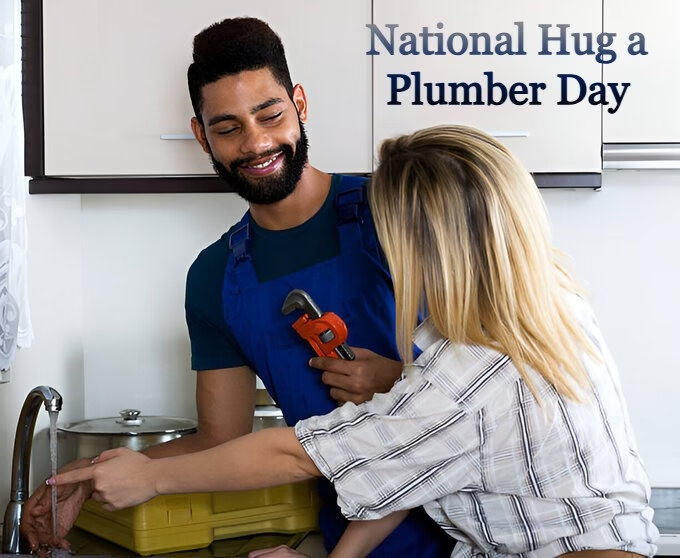
National Hug a Plumber Day – Celebrate with Gratitude Introduction When was the last time you thanked a plumber? For most people, it’s not too long ago. However, April 25 is National Hug a Plumber Day, a day set aside to honor these hidden heroes. This fun and important holiday is a chance to celebrate the important work plumbers do to keep our homes, businesses, and lives running easily. If you’re thinking, “Is today National Hug a Plumber Day?” or remembering National Hug Plumber Day 2023, this article has everything you need to know, from how to raise a laugh, show thanks, and smile on this special day. Table of Contents What Is National Hug a Plumber Day? When Is National Hug a Plumber Day? History and Fun Facts Why We Should Appreciate Plumbers Ways to Celebrate National Hug Plumber Day Funny National Hug Plumber Day Memes and Jokes Final Thoughts FAQs What Is National Hug a Plumber Day? National Hug a Plumber Day is not a real holiday. But it’s a way for people to show their gratitude for the hardworking plumbers who keep our lines clean, our bathrooms running and our water moving. Whether it’s a residential or commercial plumber. They fix leaks and clear out drains but most of the time no one notices their work until something bad happens. Also, now is a great time to think about how hard plumbers work and how much training they get. A lot of people want to know, “How long does it take to become a plumber?” The answer relies on the road of training. For example, plumbers usually have to go through years of apprenticeships and licenses before they can get their full license. That’s what makes their knowledge so useful when we need it the most. Today is a great time to remember to thank plumbers for their hard work. Thanking someone from the bottom of your heart or with a hug can go a long way. When Is National Hug a Plumber Day? Plumber Hug Day falls on April 25 every year. So, if you’re wondering, “What day is National Hug a Plumber Day in 2025?“ — mark your calendars: it’s Friday, April 25, 2025. Past Celebrations: National Hug a Plumber 2017: Saw a spike in social media memes. National Hug Plumber Day 2020: Celebrated virtually during the pandemic. National Hug a Plumber Day 2022–2024: Continued the trend with funny GIFs and customer appreciation deals. History and Fun Facts No one is sure who started National Plumber Day, but it probably started as a fun way to honor the plumbing industry, which gets little attention. Fun Facts: The earliest mention of this holiday online dates back to the late 2000s. It’s become increasingly popular with the rise of humorous National Plumber Hug memes. The day also overlaps with National Rebuilding Month, which promotes safe and healthy homes. Related Reference: National Day Calendar Why We Should Appreciate Plumbers When something goes wrong with your home’s water or sewage system, plumbers are often the first people to fix it. Their skills keep things clean, stop water damage, and make sure people are comfortable. Reasons to Appreciate Your Local Plumber: Health and Hygiene: Plumbing systems prevent the spread of disease. Emergency Response: 24/7 availability during home disasters. Technical Skill: They undergo extensive training and certification. Sustainability: Modern plumbers help with water conservation. Ways to Celebrate National Hug a Plumber Day If you know a plumber or want to show your respect for them, here are some fun things you can do: At Home: Send a Thank You Note: A simple handwritten message or card. Give a Small Gift: Tools, gift cards, or baked goods. Please leave a Positive Review: Support their business on Google or Yelp. At Work: Host a Coffee Break: Recognize plumbing staff if you’re part of a facility or property management company. Share on Social Media: Use hashtags like #NationalHugAPlumberDay or #HugAPlumber. Create a Funny Video: Engage your audience with light-hearted content. Funny National Hug a Plumbers Memes and Jokes A lot of people laugh during this holiday. If you want to make your story more interesting, you could share Hug a Plumber Day posts, funny jokes or memes. Memes: “Give your plumber a hug… just not while they’re under the sink.” “If your bathroom works, hug a plumber. If it doesn’t, call one — then hug them later.” Jokes: Q: Why did the plumber win employee of the month? A: Because he went above and beyond the call of doody. Explore more humor at Bored Panda. Final Thoughts Happy National Hug a Plumber Day! It’s not just a silly holiday it’s a real chance to honor the people who make modern life possible. Plumbers make sure that our houses are clean, safe and comfy. Thursday, April 25 is Hug Plumber Day. Say it with a hug a joke or a small act of kindness. FAQs Is today Hug a Plumber Day? Check the date — if it’s April 25 then yes! If not mark your calendar. What is the origin of Hug a Plumber Day? It’s thought to have begun online as a way to bring fun and praise to a very real and important job. How do I celebrate National Hug a Plumber 2025? Send your plumber a thank-you message, a funny post or a coffee treat. Even better? Help their business by writing a good review. Can I post a National Hug Plumber Day meme? Of course! GIFs and memes are fun ways to get the word out and make people smile.