Plumber Cost to Replace Your Garbage Disposal: 2025 Guide
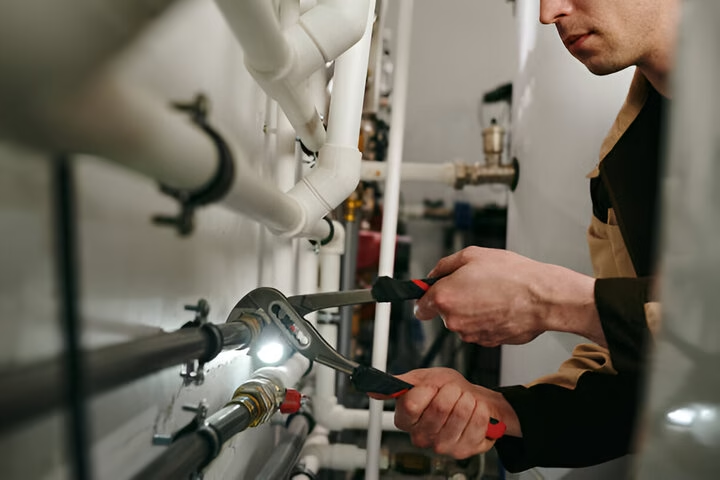
Plumber Cost to Replace Your Garbage Disposal: 2025 Guide Introduction An electric trash disposal is useful in the kitchen, but like all tools, it needs to be replaced every so often. You’ll have to replace it at some point, and when that time comes, a typical question is: how much does it cost for a plumber to replace your garbage disposal? This 2025 guide will tell you everything you need to know, from how much it costs to have a professional fix your roof to how you can do it yourself. This way, you can make an informed decision that fits your budget and level of skill. What Does a Garbage Disposal Do? Some types of garbage cans break down food into small pieces that can be flushed down the drain. It cuts down on cooking waste and keeps lines from getting stuck. But your unit might start to show signs of wear and tear after a while. Common Signs You Need a Replacement: Frequent clogs or jams Loud or unusual noises Water leaking under the sink Failure to turn on or inconsistent power If any of these things happen to your unit, you should call a plumber or consider getting a new one. Plumber Cost to Replace Your Garbage Disposal in 2025 Average Installation Cost The plumber cost to replace your garbage disposal in 2025 ranges from $175 to $450, depending on several factors: Type and brand of disposal Labor rates in your area Problems with the plumbing or electricity HomeAdvisor says that the average cost of installation across the country is about $250. For businesses or big kitchens, the price might be higher, and because industrial-grade waste units are so complicated, it’s usually best to hire a commercial plumber. What’s Included in the Cost: Removal of old disposal Installation of a new unit Sealing and leak checks Testing functionality Safe disposal of the old appliance Factors Affecting Plumber Pricing: Disposal type: Continuous vs batch feed Horsepower: For higher HP, you may need more complicated wiring. Access: Tight areas under sinks can make work take longer. DIY Garbage Disposal Replacement: A Cheaper Alternative? Average DIY Cost Breakdown: New garbage disposal: $75–$200 Basic tools and materials: $20–$50 (if not already owned) Total: $95 to $250 Tools Needed: Screwdriver Pipe wrench or slip-joint pliers Plumber’s putty Electrical tape and bucket DIY Pros: Save $100–$250 in labor costs Flexibility to work on your schedule Great learning experience DIY Cons: Risk of leaks or improper installation Electrical safety hazards Time-consuming for beginners For guidance, check out This Old House’s Installation Tutorial. DIY Installation Steps: Cut off the water and electricity. Disconnect the old unit. Keep the installation area and drain lines clean. Put the new disposal and fastening ring on. Connect the electricity and water lines again. Check the system for leaks and make sure it works right. Cost Comparison Table Expense Category Professional Plumber DIY Replacement New Disposal Unit $75–$200 $75–$200 Labor Cost $100–$250 $0 Tools & Supplies Included $20–$50 Total Cost Estimate $175–$450 $95–$250 Time Required 1–2 hours 2–4 hours Should You Hire a Plumber or Go DIY? Choose a Plumber If: You’re not good at working with electricity. If you want peace of mind, a guarantee can help. Your kitchen’s plumbing is old or hard to understand. Choose DIY If: You know how to use the tools and follow the directions. You want to save money You have enough time to do the job. Tip: Some home improvement stores like Lowe’s offer free video guides for DIYers. Additional Tips to Reduce Costs Buy the garbage disposal separately to compare prices Ask multiple plumbers for quotes Check for local handyman services as affordable alternatives Look for manufacturer rebates or promotions Angi reports that getting multiple bids can reduce your installation cost by up to 30%. Conclusion Whether you hire a plumber’s cost to replace your garbage disposal or do it yourself, knowing how much it will cost will help you make the best choice for your budget and level of comfort. If you want professional work and a smooth experience, it might be worth the money to hire a plumber. But for homeowners who like to do things themselves, replacing things themselves can be fun and save them money. Before making a choice, think about your skills, income, and how your kitchen is set up. Once you get your new disposal set up and going you’ll have a fully functional kitchen. Frequently Asked Questions (FAQs) How much does a plumber typically charge to replace a garbage disposal? You can expect to pay between $175 and $450, which includes labor and parts. Can I replace a garbage disposal myself? Yes, it is possible and inexpensive to repair yourself if you know how to use tools and follow safety rules. How long does it take a plumber to replace a garbage disposal? Usually, a simple job takes between one and two hours. What’s the lifespan of a garbage disposal? If you take care of them, most units last between 8 and 12 years. Are there any warranties included? A lot of plumbers offer a guarantee on their work for one year, and disposals usually come with warranties that last between two and five years.
Carpenter Services for Furniture & Repairs
Carpenter Services for Furniture & Repairs When it comes to home improvement, few trades are as essential as carpentry. Whether you’re remodeling your home, repairing furniture, or building custom pieces, professional carpenter services play a vital role. From structural framing to intricate woodwork, carpenters bring both craftsmanship and functionality to residential and commercial spaces. What Are Carpenter Services? Carpenter services encompass a wide range of tasks that involve cutting, shaping, and installing wood and other materials. These services can vary significantly depending on the needs of the client and the carpenter’s specialization, whether you’re hiring a Commercial Carpenter for large-scale construction or a finished carpenter for interior details. Common Carpenter Services Include: Custom furniture design and build Furniture repair and restoration Door and window installation Kitchen cabinet fitting Shelving and storage solutions Flooring installation and repair Trim and molding work Deck building and repair Types of Carpenters Different carpenters specialize in various areas of woodworking. Understanding these distinctions helps you choose the right professional for your project. 1. Rough Carpenters Focus on structural elements such as framing and roofing. They work on the foundational aspects of buildings. 2. Finish Carpenters These carpenters deal with detailed work, such as installing baseboards, trim, cabinetry, and other final touches. 3. Furniture Carpenters Also known as cabinetmakers, they specialize in making custom furniture, cabinetry, and built-ins. 4. Repair Carpenters Experts in restoring damaged woodwork and repairing furniture, doors, and other wooden elements. Why Hire a Professional Carpenter? Hiring a professional for carpenter services offers numerous advantages: Expertise: Skilled carpenters understand structural integrity, aesthetics, and proper installation techniques. Time-Saving: Professionals complete jobs more efficiently than DIY efforts. Customization: Get furniture or repairs tailored to your style and space. Quality Materials: Carpenters have access to high-quality lumber and tools. Choosing the Right Carpenter Before hiring a carpenter, consider the following factors: Experience and Specialization Make sure they have expertise in the specific service you require (e.g., furniture repair vs. structural work). Portfolio and References Ask for examples of past work and contact previous clients. Licensing and Insurance Ensure they are licensed (if applicable in your state) and carry liability insurance. Cost Estimates Request a detailed quote to avoid hidden charges and understand the scope of work. Popular Carpenter Services for Homeowners Custom Furniture Professionally crafted furniture adds a unique touch to your space. Whether it’s a dining table, bookshelf, or entertainment unit, custom-built pieces are designed to last. Furniture Repairs Repairing broken or worn-out furniture can save you money and preserve sentimental pieces. Carpenters can fix joints, refinish surfaces, and replace parts. Kitchen Renovations Carpenters can build and install cabinets, kitchen islands, and pantry shelving, dramatically improving the function and style of your kitchen. Closet and Storage Solutions Custom closets and built-in shelving maximize storage space while maintaining a cohesive design. Exterior Carpentry Includes decks, pergolas, fences, and garden furniture—enhancing your home’s outdoor appeal. Tips for Maintaining Wood Furniture To extend the life of your wooden furniture, follow these simple maintenance tips: Dust regularly using a microfiber cloth Use coasters and placemats to avoid stains Keep furniture away from direct sunlight and heat Apply wood polish or wax every few months Address any small damage before it worsens Conclusion Carpenter services are essential for both functional and aesthetic improvements to your home. If you want to fix up old furniture, put in handmade cabinets, or do a home makeover, you should hire a professional carpenter to do the job right. Pick carefully, take care of it regularly, and enjoy the benefits of well-made furniture. FAQs About Carpenter Services 1. How much do carpenter services cost? Costs vary depending on the type of work, complexity, and location. Simple repairs may cost $50-$200, while custom furniture can range from $500 to several thousand dollars. 2. How long does a typical furniture repair take? Most repairs take a few hours to a few days, depending on the damage and materials needed. 3. Can carpenters work with materials other than wood? Yes, many carpenters also work with MDF, plywood, laminates, and sometimes metal or glass for specific projects. 4. Is it cheaper to repair or replace furniture? In many cases, repairs are more cost-effective, especially for high-quality or sentimental pieces. 5. Do I need a permit for carpentry work? For minor tasks like furniture repair, no. For structural work or large renovations, local regulations may require permits. External References National Association of Home Builders – NAHB This Old House: Wood Furniture Repair Tips
Commercial Carpenter vs. Residential Carpenter
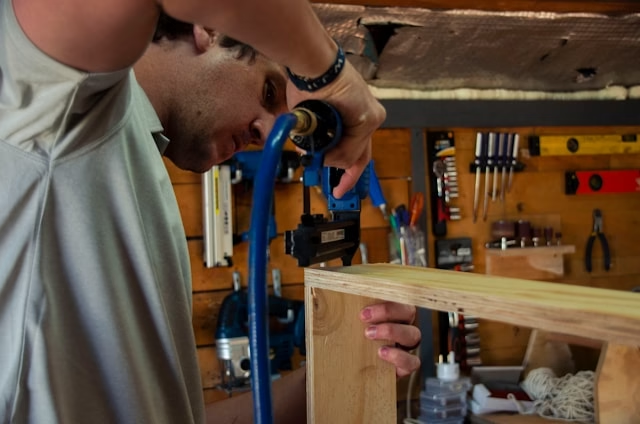
Commercial Carpenter vs. Residential Carpenter: What’s the Difference? Woodworking, or woodworking, is an important part of building our homes, businesses, schools and skyscrapers. However, not every builder does the same kinds of jobs. Commercial carpenter and home carpenters are the two main types of carpenters. Another job is the “finish carpenter,” whose job it is to put the finishing touches on a building. Knowing the differences between these jobs can help people hire the right professional for their projects and help people who want to become builders find a career path that fits their skills and interests. What Is a Commercial Carpenter? As their name suggests, commercial carpenters work on big building projects like shopping malls, office buildings, schools, hospitals and factories. Their job is very important for both the structure and the finishing of business buildings. Common Tasks of Commercial Carpenters Frames for big houses Putting up floors, ceilings, and drywall Putting together base forms out of concrete Building staircases and ramps Learning how to read plans and scientific drawings Making sure projects follow the rules for business buildings Tools Used A lot of the time, commercial builders use heavy-duty tools and machines like Power saws and nail guns that run on air Drills and mixers for concrete Laser levels and blocks for frames Work platforms and lifts What Is a Residential Carpenter? As the name suggests, a domestic carpenter works on smaller jobs like homes, flats and small apartment buildings. Their work is often more personalized and focused on the little things. Common Tasks of Residential Carpenters Building and fixing the walls, roofs and floors of homes Putting in doors, cabinets and trim Building porches, decks and fences Making furniture unique for homes Working together with electricians and plumbers Tools Used Most of the time, residential builders use: Saws and holes for the round Tapes and tools for measuring Sandpaper and nail guns Chisels and tools for wood There is also a specialized part called “Finish Carpenter,” whose job it is to add the finishing touches to both business and household projects, such as trim, baseboards and custom furniture. Key Differences Between Commercial and Residential Carpenters 1. Project Scale and Scope Commercial carpenters make big buildings with complicated systems. These buildings often have more than one floor. Residential carpenters work on smaller jobs at people’s homes. 2. Building Codes and Regulations There are tighter safety and building rules for commercial projects. Even though residential rules are less strict, people still have to follow the laws in their area. 3. Work Environment Most of the time, commercial carpenters work on busy building sites with groups of other pros. Residential carpenters usually work in more controlled and quiet places, sometimes in homes that are already occupied. 4. Skill Set To work as a commercial carpenter, you need to know how to use industrial products and build on a big scale. When you work on homes, you have to pay more attention to the little things and the finished work. 5. Income Potential Commercial carpenters may make more if they work for a company, the job is bigger or they are good at their job. Residential carpenters can still make good money, especially if they work for themselves or run their businesses. Which Career Is Right for You? Your hobbies, skills and long-term goals will help you decide whether to become a business or domestic handyman. Take a look at this: Pros of Commercial Carpentry Potential for higher income The chance to work on big, well-known projects Demand that stays the same in cities Pros of Residential Carpentry Custom projects that let you be creative More face-to-face time with clients Access for newcomers is easier Licensing and Certification Requirements No matter what kind of speciality they have, most builders must do the following: A high school certificate or something like it A trade school or apprenticeship program Safety license from OSHA (especially for business building) Some states may need more licenses, especially for freelancers who run their own companies. Job Outlook and Demand The US Bureau of Labor Statistics says that jobs for builders will grow by 2% from 2022 to 2032. This is because of projects to build new homes and fix up old ones. As towns grow and more people need homes, there will still be a need for both business and private builders. Conclusion Suppose you’re a homeowner looking to hire a skilled professional or a tradesperson thinking about becoming a carpenter. In that case, it’s important to know the difference between a business carpenter and a household carpenter. Each road has its chances, obstacles and benefits. Picking the right professional can make or break your job and picking the right career can change your life. Always talk to licensed, experienced builders who specialize in the work your job needs for reliable services or more advice. FAQ’s How do you become a commercial carpenter? An expert commercial carpenter must develop and install buildings in schools, hospitals, malls, offices and industries. They interpret drawings, build walls and ceilings and build enormous constructions. Commercial builders must follow safety and building requirements for major projects. Q1: What does a commercial carpenter do? A: Commercial carpenters build and finish structures in companies, malls, hospitals and schools. They frame walls, install drywall and ceilings, construct stairs and ramps, read blueprints and follow commercial building and safety regulations. Q2: What concrete component is a carpenter responsible for building in commercial construction? A: Carpenters manufacture temporary concrete forms for commercial construction. Precision is needed to shape foundations, columns, walls and slabs for structural stability and curing. Q3: How much do commercial carpenters make? A: Experience, region and union membership affect commercial carpenters’ pay. Most US commercial carpenters make $45,000–$70,000, with skilled or unionized ones earning $75,000 or more. Average hourly rates are $22–35. Source U.S. Bureau of Labor Statistics – Carpenters
Finish Carpenter vs Trim Carpenter: Key Differences
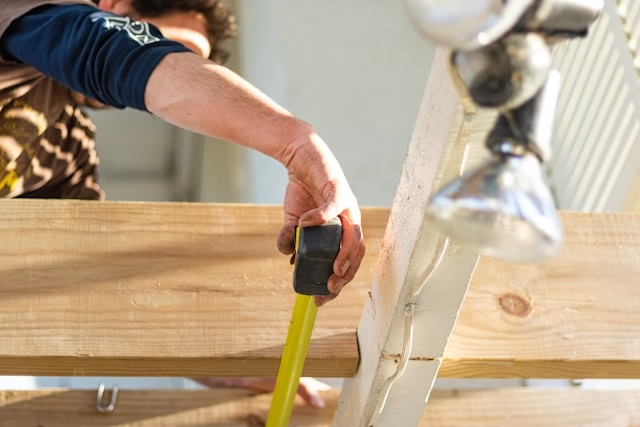
Finish Carpenter vs Trim Carpenter: Key Differences The words “finish carpenter” and “trim carpenter” are often used to refer to the same person who works with wood on the inside of buildings. To the inexperienced eye, their work may look alike, but there are small but important changes between the two. Homeowners, builders, and people who want to become carpenters all need to know these differences. The main differences between finish carpenters and trim carpenters are explained in this piece. It also talks about their different jobs, skills, and duties. What is a Finish Carpenter? For the last part of a building or rebuilding job, a finish carpenter is the expert. A finished structure’s main job is to add fine details and aesthetic appeal. Installing and crafting the obvious wood parts that add to the beauty and usefulness of the interior is what these experts do. Carpenters often get carpenter insurance to protect their work and themselves in case they get sued or their tools get broken. Responsibilities of a Finish Carpenter Putting in shelves and cabinets Putting windows and doors in place Putting in hardwood floors Putting up and building steps Making drawers and storage boxes fit your needs Putting together furniture and built-ins Required Skills Care and accuracy in the details Being able to read plans and follow instructions Advanced skills with wood tools Knowing how to use and care for good craft tools and methods What is a Trim Carpenter? A trim carpenter’s main job is to put up molding and other trim pieces. These experts make sure that wooden details that are both artistic and safe are put in the right place and blend in with the walls, floors, and ceilings without looking out of place. Responsibilities of a Trim Carpenter Putting in beadboard, borders, and crown molding Putting in door and window frames Chair rails and picture rails need to be lined up Making complicated crafts for decoration Required Skills Skill at cutting and putting together trim at exact angles Strong skills in counting and planning Know how to use trim shapes and materials Able to use nail guns and miter saws well Key Differences Between Finish and Trim Carpenters When it comes to finishing off a building, both trades are very different from one another. Here is a list of the differences: Aspect Finish Carpenter Trim Carpenter Scope of Work Broader, includes cabinetry, stairs, flooring Narrower, focuses on trim and molding Specialization High-end detail work and custom installations Precision trimming and decorative work Tools Used Routers, planers, sanders, jigs Miter saws, brad nailers, coping saws Customization Level Often custom-built pieces Standardized elements with precision fit Project Phase Final stage of construction Typically near the end, but can overlap When to Hire a Finish Carpenter vs Trim Carpenter How you choose the right builder for your project depends on how big and complicated it is. Hire a Finish Carpenter if: You need shelves, cabinets, or stairs that are made just for you. You want the interior to look classy and put together as a whole. You need different parts of a room to be finished in great detail. Hire a Trim Carpenter if: Crown molding, baseboards, or other trim work needs to be put in. For your job, you need to place wood in a lot of different ways. Adding new trim or molding to a room makes it look better. Similarities Between the Two Roles Even though they are different, finish and trim builders have one thing in common: Both work on the last stages of building. Both need careful attention to detail and accuracy. Both of these things add to the beauty of a building. Both of them work with wood and need to know a lot about how to do it. Tools Commonly Used Each type of carpenter needs different tools, but both use some of them: Finish Carpenter Tools Nail guns Routers Orbital sanders Wood glue clamps Biscuit joiners Trim Carpenter Tools Miter saw Coping saw Brad nailer Combination square Measuring tape Importance of Choosing the Right Professional You can save time and money and get a better end if you hire the right builder. Finish builders have a wide range of skills that make them perfect for installing things in a detailed way. Trim carpenters, on the other hand, are experts at artistic work and are perfect for homes that need classy finishing touches. Conclusion When homeowners and workers know the difference between a finish carpenter and a trim carpenter, they can hire the right expert for the job. Both add to the end look of a building, but they do different kinds of work and have different skills. Whether you’re adding handmade cabinets or beautiful trim to a room, knowing who to call can make all the difference in getting a clean, professional look. FAQs Q: What is a finish carpenter? A: Finish carpenters add cabinets, door trim, and ornamental moldings after construction. Q: What is a trim carpenter? A: Trim carpenters install and finish baseboards, crown molding, and door/window casings to beautify a structure. Q: How much does a finish carpenter make? A: Finish carpenters in the U.S. make $20 to $35 per hour or $40,000 to $70,000 yearly, depending on experience region and task complexity. Q: What does a trim carpenter do? A: Trim carpenters install and finish baseboards, crown molding, door and window casings, and ornamental trim to beautify a structure. External References The Spruce: What Does a Finish Carpenter Do? HomeAdvisor: Trim vs. Finish Carpentry Bob Vila: Types of Carpenters Explained Angi: Understanding the Different Kinds of Carpentry
Carpenter Insurance Explained for Small Business Owners
Carpenter Insurance Explained for Small Business Owners It takes more than skill to run a woodworking business; you also have to protect your company from risks you can’t predict. Carpenter insurance is important to protect your business from lawsuits, property loss, and other unplanned events. This complete guide will go over all the different parts of carpenter insurance, which will help small business owners make smart choices. What Is Carpenter Insurance? Carpenter insurance includes a variety of plans that are meant to keep carpenters and their businesses from losing money because of accidents, damage, or lawsuits. Getting the right insurance is important whether you’re a self-employed handyman or run a small team. Key Components: Public Liability Insurance: Protects you from third-party claims of harm or property loss caused by your work. Employers’ Liability Insurance: If you have staff, you have to get this insurance. It covers claims from workers who get sick or hurt at work. Tools and Equipment Insurance: Keeps your tools and equipment safe from being lost, stolen, or damaged. Professional Indemnity Insurance: It pays for your lawyer fees if a client says your services or advice cost them money. Personal Accident Insurance: If you get hurt and can’t work, this insurance will pay you. Why Do Carpenters Need Insurance? When you work as a builder, you use dangerous tools, machines, and materials that can hurt you and other people. If you don’t have insurance, you could be responsible for the costs of repairs or court fees if something goes wrong. Common Risks: Injuries to Clients or Third Parties: When workers get hurt on the job by accident, it can be very expensive to file a lawsuit. Property Damage: Damage to a client’s property can happen because of mistakes or accidents. Tool Theft or Damage: Tools are important for your job, and if you lose them, your business can’t run. Legal Disputes: Clients may say they are unhappy with your work, which could lead to court battles. Types of Carpenter Insurance Policies 1. Public Liability Insurance For builders, this is one of the most important rules. It covers the costs of going to court and getting paid if your work hurts someone or damages their property. This insurance would pay for things like medical bills and lost wages if a customer trips over your tools and gets hurt. 2. Employers’ Liability Insurance In many places, you are required by law to have this insurance if you have employees. This insurance covers claims from workers who get hurt or sick at work. (Protectivity) 3. Tools and Equipment Insurance It keeps your tools and equipment safe from being lost, stolen, or damaged. Because woodworking requires specialized tools, this coverage makes sure you can repair important things without having to spend a lot of money. 4. Professional Indemnity Insurance It pays for your legal fees if a client says your professional services or advice cost them money. This is especially important if you offer design or consulting services. 5. Personal Accident Insurance If you get hurt and can’t work, this insurance will pay you. It can pay for your medical bills and lost wages while you’re healing. Carpenter vs Electrician: Understanding the Insurance Needs Even though this guide is mostly about carpenter insurance, it’s still helpful to know how it differs from other trades’ insurance needs, like electricians’, in the discussion about whether to be a carpenter vs electrician. Both jobs come with their risks and need specific insurance plans. Carpenters are more likely to get hurt by their tools and damage property during setups. At the same time, electricians have to deal with more electricity dangers and tighter safety rules. Because of this, electricians may choose liability and workers’ compensation insurance with more benefits. Knowing these differences helps builders figure out what kind of insurance they need and how to get it. Cost of Carpenter Insurance The cost of carpenter insurance depends on things like the number of workers you have, the size of your business, the value of your tools, and the risks that come with your job. Most of the time, carpenters can expect to get paid: Public Liability Insurance: Starting from £6.30 per month. Employers’ Liability Insurance: Prices vary, so it’s important to get a price that fits your needs. Tools and Equipment Insurance: Rates are based on how much your tools are worth. To get the best coverage at the best price, it’s smart to get quotes from more than one insurance company. How to Choose the Right Carpenter Insurance Assess Your Risks: Think about the specific risks that come with your job, like the projects you work on and the places where you do your work. Determine Necessary Coverage: Based on your risk estimate, choose the business insurance plans that are most important to you. Compare Quotes: To get multiple quotes and find the best deal, use comparison websites or talk to insurance agents. Check Policy Details: Make sure you know what each insurance covers and what it doesn’t cover. Review Regularly: Check your insurance coverage often to make sure it’s still enough as your business grows or changes. Conclusion Small business owners in the Woodfield need to get insurance for their workers. It protects your business’s finances against a number of risks, ensuring its long-term success and growth. You can protect your income by getting the right insurance plans if you know about the different types of coverage and figure out what you need. (admiralbusiness.com). FAQs Does home insurance cover harm from carpenter ants? Most homeowner’s insurance doesn’t cover carpenter ant damage. Most rules consider it upkeep, not a sudden incident. Housekeeping should prevent pests. You should check your policy or contact your insurer for particular advantages. How much is insurance for a carpenter? Carpenters pay $500–$1,500 per year for general liability insurance. Location company size services and coverage restrictions affect pricing. Tools workers’ compensation and business car insurance may raise costs. Does insurance cover carpenter ant damage? Carpenter ant damage is avoidable;
Handyman Miami: Reliable Services for Every Need
Handyman Miami: Reliable Services for Every Need If you want to keep your Miami home or business in good shape and make it better, you need to be able to rely on reliable handyman services. Finding a skilled and reliable handyman can save you time, money, and stress, whether you need small fixes, installs, or bigger renovations. This complete guide will talk about the best repair services in Miami, the types of work they do, how much they usually charge, and how to choose the right professional for your needs. Why Choose a Handyman in Miami? Property upkeep is hard in Miami because of the city’s unique temperature and wide range of architectural styles. Because of the effects of the weather on the coast and the wear and tear of city life, homes in Miami need regular maintenance. When you hire a local mechanic or even compare services with experts like a Handyman Las Vegas you can be sure that the services you get will be tailored to your needs and carried out by professionals who understand building codes and common issues in your area. Top Handyman Services in Miami 1. Pro Handyman Miami Pro Handyman Miami has been in business for more than 22 years and does a lot of different jobs, such as repairs, upkeep, and installs. People in the Miami area know that their team can solve problems quickly, effectively, and professionally. 2. Exclusive Handyman Services Exclusive Handyman Services is a family-owned business that does a wide range of home changes, such as cleaning, remodelling, and more. They have all the necessary licenses, bonds, and insurance to give their customers peace of mind. handymanpars.com 3. Andromeda Handyman Services Andromeda Repair Services specializes in remodelling and general repair work. Their goal is to make customers’ homes into places they love. They give free rates and are known for having the best customer service. 4. KW Handyman Miami The professionals at KW Handyman Miami work in Miami-Dade County and are skilled in woodworking, painting, electrical work, plumbing, and remodelling. Their staff is licensed, protected, and dedicated to making sure customers are happy. 5. HomePal Handyman HomePal Handyman has been in business for more than ten years and provides professional local handyman services to both homes and businesses in Miami. Repairs, installs, and maintenance are some of the things they do. They focus on quality and customer happiness in everything they do. Services Offered by Miami Handymen Miami Handyman Services does a lot of different jobs to meet all of your home improvement and repair needs. General Repairs: Taking care of common home problems like fixing broken taps and walls. Electrical Work: Putting in light fixtures ceiling fans, and fixing electrical issues. Plumbing Services: Fixing leaks, clearing out drains, and putting in new fittings. Carpentry: As well as other craft tasks, they build unique shelves and fix doors. Painting: Painting the inside and outside of things will make them look newer and protect them. Remodeling: Remodeling kitchens and bathrooms, putting in floors, and more. Maintenance: Maintenance chores like cleaning the gutters, power washing, and replacing the HVAC filter on a regular basis. The Importance of Handyman Insurance It’s very important to make sure that a handyman you hire in Miami has handyman insurance. This kind of insurance covers both the helper and the client in case of damage to the property or injuries on the job. Handyman services with a good reputation usually have general liability insurance. This shows that they are skilled and gives customers peace of mind. Before they start a job, you should always ask your handyman if they have protection. Average Costs of Handyman Services in Miami Learning about how much repair services usually cost can help you make a good budget: Hourly Rates: In Miami, handymen charge between $40 and $80 an hour, based on how hard the job is and how much experience the professional has. Flat Rates: Some services may charge flat fees for certain jobs, like $180 to $340 for a four-hour job. Material Costs: It’s important to talk to your handyman ahead of time about this because materials usually come at an extra cost. homeblue.com Tips for Choosing the Right Handyman Finding the right helper is important for getting good work and a smooth experience: Check Credentials: To keep yourself from being sued, make sure the handyman has a license and insurance. Read Reviews: Read reviews and comments about the professional online to get an idea of how reliable they are and how good their work is. Request Estimates: Get thorough quotes from several handymen so you can compare services and prices. Discuss Scope of Work: Make sure the handyman has the right skills and tools by writing down exactly what you need to be done. Set a Timeline: Set a due date for the job so that everyone knows what to expect. Conclusion Many skilled handyman services in Miami can help you with any job, from small repairs to big renovations. You can keep your property in great shape by learning about the available services, how much they usually cost, and how to choose the right professional. To get the best results, make sure to check the handyman’s qualifications, read reviews, and talk to them properly. FAQs About Handyman Services in Miami 1. What types of services does a handyman in Miami typically offer? Miami handymen can repair, install, paint, carpenter, install appliances, fix drywall, and renovate homes. Many provide pressure and gutter cleaning. 2. How much does it cost to hire a handyman in Miami? Hourly rates range from $40 to $80, depending on task complexity and handyman skill. Services may charge flat fees for common tasks. Get a quote beforehand to avoid surprises. 3. Is it better to hire a handyman or a licensed contractor? Small to medium home repairs and maintenance are cheaper and quicker with handymen. Licensed contractors may be needed for large renovations or specialist work like electrical or structural modifications. 4. Are handymen in Miami
Handyman Insurance Explained in Simple Terms

Handyman Insurance Explained in Simple Terms Getting the right insurance is very important if you are a small business owner or work as a handyman. When you work as a handyman you need insurance to protect your money in case of an accident, damage to property or claims related to your job. There are different types of handyman insurance, how much they cost and how to choose the best policy for your needs. This guide breaks it all down in simple terms. What Is Handyman Insurance? Handyman insurance is a special kind of business insurance that protects people who work as handymen or in property maintenance from risks. Additionally, it generally comes with general liability insurance, which covers harm to other people and loss to their property. It could also cover tools and equipment, workers’ compensation, and commercial cars, depending on what your business needs. Why Do You Need Handyman Insurance? Working without proper protection might result in significant financial loss. Suppose a client sustains an injury because they tripped over your equipment or because you inadvertently damaged their property. In that case, you may have to pay for their medical expenses or the expense of repairing the damage. Handy person insurance may safeguard your company and personal property while also covering these charges. Handyman jobs can include a range of services like minor plumbing carpentry and even domestic electrician services, all of which carry risks that insurance can help cover. Types of Handyman Insurance Coverage 1. General Liability Insurance So, let’s talk about handyman insurance and what it really means. If you happen to hurt someone or damage their property while you’re on the job, it covers your court fees, hospital bills, and any losses you might face. 2. Tools and Equipment Insurance The tools you have are super important for your job! Your tools and equipment will be protected in case they are stolen, lost, or damaged. This way, you can easily swap them out and keep your business running without a hitch. 3. Workers’ Compensation Insurance If you have employees, you usually need workers’ compensation insurance. If a person gets hurt on the job, it pays for their medical bills and lost wages. You can use this service even if you are self-employed. (Insureon, contractornerd.com) 4. Commercial Auto Insurance To get to work or haul tools, you may need to drive a business car. If it gets stolen, damaged, or involved in an accident, your commercial auto insurance will cover it. 5. Professional Liability Insurance If your clients lose money because of laziness or mistakes in your work this type of insurance which is also known as “errors and omissions insurance,” will protect you. Cost of Handyman Insurance The costs for handy-person insurance can vary based on several factors, including where your business is located, its size, the services you offer, and the level of coverage you select. Here’s what you can look forward to paying: General Liability Insurance: Approximately $500–$1,000 per year. Tools and Equipment Insurance: Between $100 and $500 a year, based on how much your tools are worth. Workers’ Compensation Insurance: varies a lot; check the rules in your state. Commercial Auto Insurance: Typically $1,200–$2,500 per year. It is best to get several insurance quotes so that you can find the best prices and policies for your needs. a Choosing the Right Handyman Insurance Policy These things should help you pick an insurance plan for a handyman: Assess Your Risks: Make a list of the jobs you have and the risks that come with them. Determine Required Coverage: Select the insurance types that are necessary according to your assessment. Compare Providers: Determine which insurance companies provide coverage for small businesses or handymen, and then compare those providers. Review Policy Details: It’s crucial to thoroughly read the policy’s terms, restrictions, coverage limits, and deductibles. Consult an Insurance Agent: If necessary, see an insurance representative to ensure you have enough coverage. Legal Requirements and Licensing Handymen in various states and cities might have different insurance requirements. To work in some places, you might need specific licenses or types of insurance. So, in California, if you’re doing work that costs over $500, you gotta have a contractor’s license and general liability insurance. It’s a good idea to chat with your local licensing board or regulatory body to ensure you’re staying on the right side of the law. Conclusion In order to run a safe and prosperous handyman company. It is crucial to have insurance. This will safeguard you in the event that an unforeseen event occurs that might result in substantial financial losses. By familiarizing yourself with the various coverage options and determining your specific needs, you may choose an insurance policy that will adequately safeguard your money. Frequently Asked Questions (FAQs) How much is handyman insurance? Between $500 and $2,500 a year, based on where you live and the service. How much does handyman insurance cost? About $500 to $1,000 a year for general risk. It might cost more for other coverages. Does a handyman need insurance in California? Yes, especially if the job is worth more than $500. You need a contractor’s license and general liability insurance. What does handyman insurance cover? It covers other people getting hurt or their property getting damaged, staff getting hurt on the job, car crashes at work, and client claims for mistakes.
Why Does My AC Compressor Shut Off After 2–3 Minutes?
Why Does My AC Compressor Shut Off After 2–3 Minutes? Common Causes and Fixes If you’re asking yourself, “Why Does My AC Compressor Shut Off After 2-3 Minutes?” you’re not alone. It can be hard to understand and deal with this problem, especially when it’s hot outside and you need your air conditioning the most. In this complete guide, we’ll look at the most common reasons for this short cycling behaviour and give you solutions you can use right away. What Is Short Cycling? This is when your air conditioner turns on and off too often, usually not long after it starts up. It’s called a short cycle. Things are less comfortable, and the system works less well and lasts less long because of this. Setting your setting to the Best AC Temperature can help keep the cooling working well all the time and cut down on short cycles. Common Causes Why Your AC Compressor Shuts Off Quickly 1. Thermostat Issues Faulty Thermostat Placement If you put your thermostat too close to a vent or in direct sunlight, it might send the wrong temperature readings, which would make the compressor turn off before it should. Battery or Wiring Problems Signals sent to the compressor may not be reliable if the batteries are low or the wire is broken. Fix: Either move the heater or get new batteries. Ask a person who works on HVAC to look at the wires. 2. Dirty Air Filter When air filters get clogged, they stop air from moving through the system. This makes it warm and shuts down to protect itself. Fix: Every 30 to 60 days, or as the maker says, change the air filter. 3. Low Refrigerant Levels If there isn’t enough refrigerant, the generator could get too hot and shut down. A leak in the coolant is often to blame. Fix: Have a qualified expert look for leaks, fix them, and then charge the system again. 4. Frozen Evaporator Coils If there isn’t enough movement or refrigerant, the evaporator coils can freeze, which stops the motor. Fix: Lock the doors and let the coils thaw out. Then, check the amounts of refrigerant and oxygen. 5. Electrical Problems If there are loose wires, broken switches, or a battery that doesn’t work right, the compressor may turn off after a short time. Fix: If there are any wiring problems, an HVAC professional should look at them and fix them. 6. Compressor Overheating A fan that gets too hot is usually because the airflow isn’t good, it’s being used too much, or the system is old. Also, to keep your AC from burning, make sure the drain lines are clear on a regular basis. Clogged drain lines can cause moisture to build up and put extra stress on the fan motor. Fix: Clean up around the outdoor unit, make sure there is enough air flow, and set up a system check-up. 7. Oversized AC Unit If your air conditioner is too big for your home, it may cool it down too quickly, turning on and off too often. Fix: Talk to a licensed HVAC professional to find out if your unit is the right size. How to Diagnose the Problem Yourself Some problems need to be fixed by a professional, but there are some things that people can do to fix them themselves. Step-by-Step Diagnostic Checklist Check the thermostat – Look for battery, placement, or settings issues. Inspect the air filter – Replace if it looks dirty. Listen for odd noises – Clicking, buzzing, or humming can signal electrical issues. Observe the compressor cycle – Time how long it runs before shutting off. Examine the outdoor unit – Ensure there’s no debris blocking ventilation. When to Call a Professional If the simple steps to fix the problem don’t work it’s time to call an HVAC expert. It’s helpful to know how much it costs to install a mini split air conditioner before making a choice especially if you want to replace your old system with a ductless one. Professionals can: Perform refrigerant pressure tests Inspect electrical components Diagnose hidden leaks Suggest that the system be upgraded or replaced. Preventative Maintenance Tips Regular Maintenance Checklist Replace filters regularly Clean coils every 6 months Schedule seasonal HVAC inspections. Keep vents unblocked Ensure proper thermostat calibration. “Why does my AC compressor shut off after 2-3 minutes?” is a question you might not have to ask again if you take care of your AC now. Conclusion If you’ve ever thought, “Why does my AC compressor turn off after two to three minutes?” The cause could be anything from a dirty air cleaner to a problem with the electricity or a system that is the wrong size. You can save time, money, and pain by quickly finding and solving the problem. Don’t be afraid to get help from a professional if the problem goes beyond simple fixing. Stay tuned to our blog for more HVAC news and care tips. FAQs Does it make sense for my air conditioner to turn off after a while? That’s not right. If the machine turns off every two to three minutes there is usually a problem, like an electrical issue, a broken timer or a problem with the refrigerant. From time to time short cycles can happen. The short turn of my AC fan is caused by what? Some common reasons are: Not enough or leaking coolant Air filters that are dirty or clogged thermometer that doesn’t work Ice on the evaporator coils Capacitor or compressor circuit is broken What if the air filter is dirty? Will that make the blower turn off early? Yes. If the air filter is dirty or jammed, it blocks airflow. This can cause the coils to boil or freeze, which can cause the compressor to turn off too soon. If there isn’t enough gas, will the AC switch off quickly? Of course. Low refrigerant makes the system’s pressures go out of balance, which protects the compressor by
Mini Split AC Installation Cost: What to Expect in 2025
Mini Split AC Installation Cost: What to Expect in 2025 As more people look for ways to cool their homes that use less energy, small split air conditioners have become a popular choice. If you’re thinking about getting a Mini Split AC Installation Cost in 2025, you need to know how much it will cost to install it so you can make an informed choice. This complete guide will show you how much things will cost, what factors will affect those costs, and how to save money while still getting the best comfort. What Is a Mini Split AC System? A mini split air conditioner, which is also called a ductless mini split, has a unit inside that is joined to a motor outside. These systems can effectively cool or heat certain areas or rooms without the need for ducts. Key Features: Energy-efficient operation Zoned temperature control Installation is easier than with central systems Quiet performance When you compare systems, you may also be interested in how much it costs to replace an AC unit completely. It may cost more and take more Work to replace an old central unit than to install a ductless mini split system. Average Mini Split AC Installation Cost in 2025 By 2025, the cost of installing a small split AC will range from $2,500 to $8,000. The exact price will depend on the size and complexity of the system. A single-zone device costs between $4,500 and $6,000 across the country on average. Cost Breakdown: Item Cost Range Mini Split Unit (1 zone) $1,000 – $3,000 Labor & Installation $1,200 – $3,500 Additional Zones $500 – $2,000 per zone Electrical Work (if needed) $300 – $800 Permits & Inspection $100 – $500 Factors Affecting Mini Split Air Conditioner Installation Cost 1. Number of Zones The prices of both tools and staff go up with each extra zone. For a setup with more than one zone, you might need more than one indoor unit and a bigger outdoor fan. 2. Brand and Model Brands like Mitsubishi Electric, Daikin, and Fujitsu are more expensive, but they last longer and work better. 3. Unit Capacity (BTUs) It costs more for bigger units that are made for bigger rooms. BTU needs depend on the size of the room, the quality of the insulation, and the weather. 4. Labor Rates in Your Region Installation costs can change a lot from one area to another because of the demand for workers and the supply of skilled techs. 5. Installation Complexity The total cost will depend on the type of walls, the distance between the indoor and outdoor units, and the need for electricity changes. Installation Cost by Type of Property Property Type Typical Installation Cost Small Apartment $2,000 – $4,000 Single-Family Home $3,500 – $6,500 Multi-Level House $5,000 – $10,000 Commercial Space $6,000 – $15,000+ DIY vs. Professional Installation Even though there are do-it-yourself tools available, it is safer, protects your guarantee, and follows local building rules to have a professional install it. Pros of Hiring a Pro: Correct sizing and placement Reliable links for electricity and coolant Warranty validation Local permit and code compliance Tips to Save on Mini Split AC Installation Get Multiple Quotes: Look at at least three qualified HVAC companies side by side. Check for Rebates: Many utility companies give discounts for HVAC systems that use less energy. Choose the Right Size: Bigger systems cost more and might not work as well. Install Off-Season: Prices might be less in the spring or fall. Bundle Services: Some companies give savings if you hire them to do more than one repair or if you combine it with other HVAC work like window AC installation, which can also improve cooling efficiency for smaller rooms. Energy Efficiency and Long-Term Savings Installing a small split air conditioner may seem expensive at first, but the money you save on energy costs makes it worth it. A lot of them have SEER scores above 20, which means that your monthly energy bills will be lower. Benefits: Reduced energy use Targeted zone control No duct loss (which can waste 20–30% of energy) When looking at cooling choices, knowing how much it costs to replace an AC unit can also help you decide if buying a mini split is a better long-term investment. Final Thoughts Knowing how much it will cost to put a small split AC in 2025 will help you make smart choices. Prices change for many reasons, but knowing what to expect, what affects prices, and how to save can help you find a home cooling solution that is both cheaper and better. If you’re remodeling an old house or building a new one, a ductless mini split is an energy-efficient option that will last for a long time. Frequently Asked Questions How long does it take to install a mini split? Sometimes it takes one to two days, but it depends on how many zones there are and how complicated the method is. Do mini-splits require maintenance? Yes, every 6 to 12 months, normal upkeep includes cleaning the filters, checking the amount of refrigerant, and looking over the connections. Can mini-splits cool multiple rooms? Because it has more than one zone, there is one outdoor fan that each room shares and an inner unit for each room. Are mini-splits worth the investment? Of course. Mini split air conditioners are more expensive to install at first than window units, but they last longer, use less energy, and are more comfortable in the long run. External Reference Energy.gov – Ductless Mini-Split Heat Pumps
How Much to Replace an AC Unit in 2025
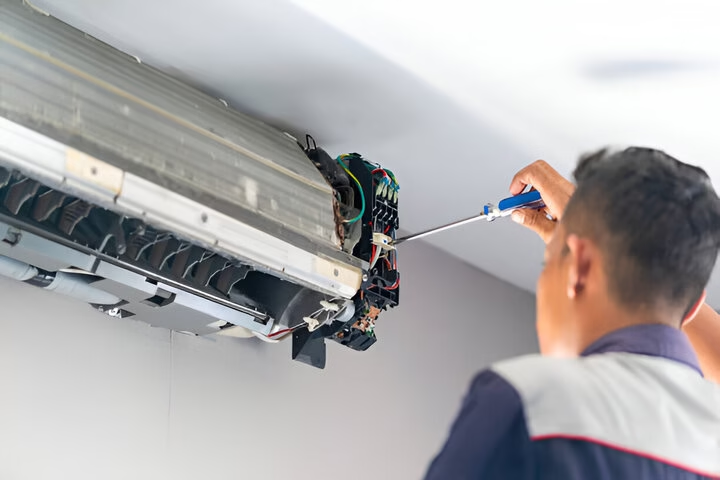
How Much to Replace an AC Unit in 2025 It doesn’t come cheap to get a new air conditioner, but it’s an investment in your home’s comfort and health. In 2025, let’s say you want to get a new air conditioner. Knowing the different prices can help you stick to your budget and make a smart choice, whether you’re upgrading your system or figuring out how to clear out an AC drain line. This guide will break down the main things that affect how much to replace an AC unit, such as the size of the unit, how efficient the system is, and the cost of work. By the end, you’ll know everything there is to know about what to expect and be ready to pick the best choice for your needs. How much does it cost to get a new AC? How is it that the price of a new AC unit in 2025 is different? It usually costs between $3,500 and $7,500. These can cost $10,000 or more if they have smart heaters and high SEER rates, for example. Key Factors Affecting the Cost: Type of unit (e.g., central ductless mini-split or portable) Energy-efficiency rating (measured in SEER and EER ratings) System capacity (measured in tons or BTUs) Costs for labor and installation Upgrades that need to be made, like pipes or permits Next, we’ll talk about the main things that affect how much it costs to replace your AC unit. Rating for Energy Efficiency The Seasonal Energy Efficiency Ratio (SEER) and Energy Efficiency Ratio (EER) of an air conditioner show how well it uses energy. Better energy gains are found in SEER and EER scores that are higher, but they cost more up front. What to Know: The minimum SEER needs for 2025 may be different depending on the rules in your area. Most of the time, systems with a SEER value of 16 to 22 are very efficient. Spending more up front on a system that uses less energy can save you a lot on your power bills over time. For instance, going from a 13 SEER unit to an 18 SEER unit can cut yearly cooling costs by as much as 30%. System Capacity and Sizing Your AC unit should be the right size for the size of your home. If you install a system that is too small or too big, it might not work as well, and your energy bills will go up. General Guidelines: Most houses that are less than 1,000 square feet can handle a 1.5-ton unit. Homes that are between 1,200 and 2,000 square feet need a 2 to 3-ton unit. Bigger homes need 4-5 ton systems. Talk to a professional in HVAC to find out what size is best for your home. They can do a thorough load estimate based on your temperature, insulation, and the home’s plan. New Installation vs. Replacement Units New Installation: Putting in a brand-new cooling system costs more because you need to buy new pipes, wiring, and other equipment. This could make the whole thing cost between $8,000 and $12,000. Replacement Units: Costs will usually be cheaper if you’re updating an old system because important equipment like pipes is already there. Labor Costs The cost of labor can be between 40 and 50 percent of the total cost of an AC unit replacement. Rates depend on where you live, how hard the installation is, and whether you need any other changes. Average Costs: Basic installation (no extras): $1,200–$2,000 $2,500 to $4,000 for a complicated system with new pipes or electricity Hiring skilled workers makes sure that the job is done quickly and safely. If you want to avoid expensive mistakes, always hire an HVAC expert who is licensed and protected. Other Considerations When making a budget for a new AC, you should also think about these other things: Type of Unit The cost depends a lot on the type of air cooling system you pick: Central air conditioning costs more, but it’s the best way to cool big houses equally. Ductless mini-split systems are flexible and use less energy, but they can cost more per unit. For single rooms, portable or window units are good choices that won’t break the bank. Lifespan Most modern units last between 12 and 15 years. If the life of your current unit is almost up, buying a good alternative can save you money in the long run. Ductwork Your new unit may not work as well if the ducts are old or leaky. If fixes are needed, ducts can cost an extra $1,500 to $3,000. Electrical Infrastructure For older homes to be able to handle the power needs of newer AC units, the electrical systems may need to be upgraded. Furnace Compatibility If your heater and air conditioner share a fan, you might need to get new ones for them to work together. Time of Year The price of replacement can change based on demand: Installation rates are often lower in the spring and fall, when demand is smaller. Costs may go up when demand goes up in the summer. Permits and Inspections Permits and checks may be needed because of local building rules and laws. These can add $150 to $500 to the total cost. Conclusion How Much to Replace an AC Unit 2025? The average cost is between $4,500 and $12,000. However, your exact cost will depend on a lot of things, such as the type of unit, its efficiency rate, the work you hire, and where you live. You can make an informed, cost-effective choice for a cooler, more energy-efficient home if you know about these factors and follow smart buying habits. FAQs What is the average lifespan of an AC unit? If you take care of your AC, it should last between 10 and 15 years. Should I get a new AC unit or fix the old one? Most of the time, it’s better to get a new unit than to fix an