Why Does My AC Compressor Shut Off After 2–3 Minutes?

Why Does My AC Compressor Shut Off After 2–3 Minutes? Common Causes and Fixes If you’re asking yourself, “Why Does My AC Compressor Shut Off After 2-3 Minutes?” you’re not alone. It can be hard to understand and deal with this problem, especially when it’s hot outside and you need your air conditioning the most. In this complete guide, we’ll look at the most common reasons for this short cycling behaviour and give you solutions you can use right away. What Is Short Cycling? This is when your air conditioner turns on and off too often, usually not long after it starts up. It’s called a short cycle. Things are less comfortable, and the system works less well and lasts less long because of this. Setting your setting to the Best AC Temperature can help keep the cooling working well all the time and cut down on short cycles. Common Causes Why Your AC Compressor Shuts Off Quickly 1. Thermostat Issues Faulty Thermostat Placement If you put your thermostat too close to a vent or in direct sunlight, it might send the wrong temperature readings, which would make the compressor turn off before it should. Battery or Wiring Problems Signals sent to the compressor may not be reliable if the batteries are low or the wire is broken. Fix: Either move the heater or get new batteries. Ask a person who works on HVAC to look at the wires. 2. Dirty Air Filter When air filters get clogged, they stop air from moving through the system. This makes it warm and shuts down to protect itself. Fix: Every 30 to 60 days, or as the maker says, change the air filter. 3. Low Refrigerant Levels If there isn’t enough refrigerant, the generator could get too hot and shut down. A leak in the coolant is often to blame. Fix: Have a qualified expert look for leaks, fix them, and then charge the system again. 4. Frozen Evaporator Coils If there isn’t enough movement or refrigerant, the evaporator coils can freeze, which stops the motor. Fix: Lock the doors and let the coils thaw out. Then, check the amounts of refrigerant and oxygen. 5. Electrical Problems If there are loose wires, broken switches, or a battery that doesn’t work right, the compressor may turn off after a short time. Fix: If there are any wiring problems, an HVAC professional should look at them and fix them. 6. Compressor Overheating A fan that gets too hot is usually because the airflow isn’t good, it’s being used too much, or the system is old. Also, to keep your AC from burning, make sure the drain lines are clear on a regular basis. Clogged drain lines can cause moisture to build up and put extra stress on the fan motor. Fix: Clean up around the outdoor unit, make sure there is enough air flow, and set up a system check-up. 7. Oversized AC Unit If your air conditioner is too big for your home, it may cool it down too quickly, turning on and off too often. Fix: Talk to a licensed HVAC professional to find out if your unit is the right size. How to Diagnose the Problem Yourself Some problems need to be fixed by a professional, but there are some things that people can do to fix them themselves. Step-by-Step Diagnostic Checklist Check the thermostat – Look for battery, placement, or settings issues. Inspect the air filter – Replace if it looks dirty. Listen for odd noises – Clicking, buzzing, or humming can signal electrical issues. Observe the compressor cycle – Time how long it runs before shutting off. Examine the outdoor unit – Ensure there’s no debris blocking ventilation. When to Call a Professional If the simple steps to fix the problem don’t work it’s time to call an HVAC expert. It’s helpful to know how much it costs to install a mini split air conditioner before making a choice especially if you want to replace your old system with a ductless one. Professionals can: Perform refrigerant pressure tests Inspect electrical components Diagnose hidden leaks Suggest that the system be upgraded or replaced. Preventative Maintenance Tips Regular Maintenance Checklist Replace filters regularly Clean coils every 6 months Schedule seasonal HVAC inspections. Keep vents unblocked Ensure proper thermostat calibration. “Why does my AC compressor shut off after 2-3 minutes?” is a question you might not have to ask again if you take care of your AC now. Conclusion If you’ve ever thought, “Why does my AC compressor turn off after two to three minutes?” The cause could be anything from a dirty air cleaner to a problem with the electricity or a system that is the wrong size. You can save time, money, and pain by quickly finding and solving the problem. Don’t be afraid to get help from a professional if the problem goes beyond simple fixing. Stay tuned to our blog for more HVAC news and care tips. FAQs Does it make sense for my air conditioner to turn off after a while? That’s not right. If the machine turns off every two to three minutes there is usually a problem, like an electrical issue, a broken timer or a problem with the refrigerant. From time to time short cycles can happen. The short turn of my AC fan is caused by what? Some common reasons are: Not enough or leaking coolant Air filters that are dirty or clogged thermometer that doesn’t work Ice on the evaporator coils Capacitor or compressor circuit is broken What if the air filter is dirty? Will that make the blower turn off early? Yes. If the air filter is dirty or jammed, it blocks airflow. This can cause the coils to boil or freeze, which can cause the compressor to turn off too soon. If there isn’t enough gas, will the AC switch off quickly? Of course. Low refrigerant makes the system’s pressures go out of balance, which protects the compressor by
Mini Split AC Installation Cost: What to Expect in 2025
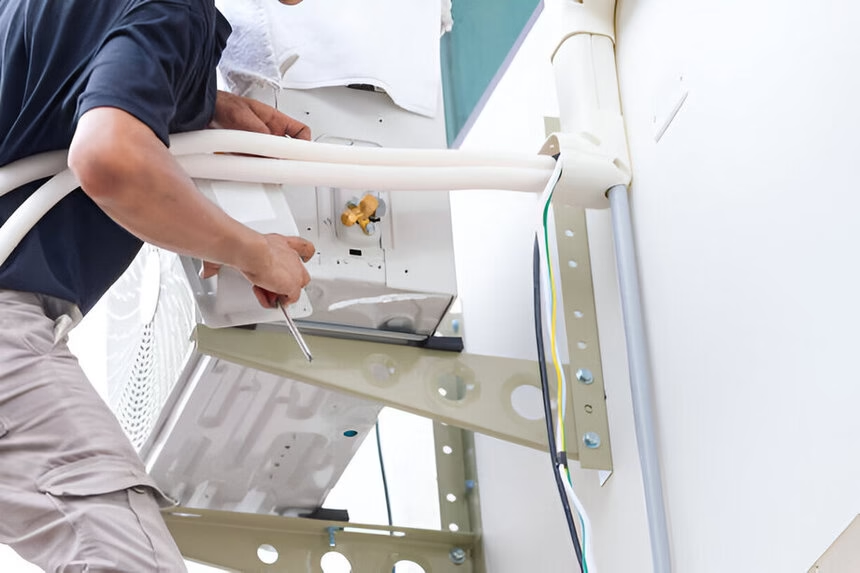
Mini Split AC Installation Cost: What to Expect in 2025 As more people look for ways to cool their homes that use less energy, small split air conditioners have become a popular choice. If you’re thinking about getting a Mini Split AC Installation Cost in 2025, you need to know how much it will cost to install it so you can make an informed choice. This complete guide will show you how much things will cost, what factors will affect those costs, and how to save money while still getting the best comfort. What Is a Mini Split AC System? A mini split air conditioner, which is also called a ductless mini split, has a unit inside that is joined to a motor outside. These systems can effectively cool or heat certain areas or rooms without the need for ducts. Key Features: Energy-efficient operation Zoned temperature control Installation is easier than with central systems Quiet performance When you compare systems, you may also be interested in how much it costs to replace an AC unit completely. It may cost more and take more Work to replace an old central unit than to install a ductless mini split system. Average Mini Split AC Installation Cost in 2025 By 2025, the cost of installing a small split AC will range from $2,500 to $8,000. The exact price will depend on the size and complexity of the system. A single-zone device costs between $4,500 and $6,000 across the country on average. Cost Breakdown: Item Cost Range Mini Split Unit (1 zone) $1,000 – $3,000 Labor & Installation $1,200 – $3,500 Additional Zones $500 – $2,000 per zone Electrical Work (if needed) $300 – $800 Permits & Inspection $100 – $500 Factors Affecting Mini Split Air Conditioner Installation Cost 1. Number of Zones The prices of both tools and staff go up with each extra zone. For a setup with more than one zone, you might need more than one indoor unit and a bigger outdoor fan. 2. Brand and Model Brands like Mitsubishi Electric, Daikin, and Fujitsu are more expensive, but they last longer and work better. 3. Unit Capacity (BTUs) It costs more for bigger units that are made for bigger rooms. BTU needs depend on the size of the room, the quality of the insulation, and the weather. 4. Labor Rates in Your Region Installation costs can change a lot from one area to another because of the demand for workers and the supply of skilled techs. 5. Installation Complexity The total cost will depend on the type of walls, the distance between the indoor and outdoor units, and the need for electricity changes. Installation Cost by Type of Property Property Type Typical Installation Cost Small Apartment $2,000 – $4,000 Single-Family Home $3,500 – $6,500 Multi-Level House $5,000 – $10,000 Commercial Space $6,000 – $15,000+ DIY vs. Professional Installation Even though there are do-it-yourself tools available, it is safer, protects your guarantee, and follows local building rules to have a professional install it. Pros of Hiring a Pro: Correct sizing and placement Reliable links for electricity and coolant Warranty validation Local permit and code compliance Tips to Save on Mini Split AC Installation Get Multiple Quotes: Look at at least three qualified HVAC companies side by side. Check for Rebates: Many utility companies give discounts for HVAC systems that use less energy. Choose the Right Size: Bigger systems cost more and might not work as well. Install Off-Season: Prices might be less in the spring or fall. Bundle Services: Some companies give savings if you hire them to do more than one repair or if you combine it with other HVAC work like window AC installation, which can also improve cooling efficiency for smaller rooms. Energy Efficiency and Long-Term Savings Installing a small split air conditioner may seem expensive at first, but the money you save on energy costs makes it worth it. A lot of them have SEER scores above 20, which means that your monthly energy bills will be lower. Benefits: Reduced energy use Targeted zone control No duct loss (which can waste 20–30% of energy) When looking at cooling choices, knowing how much it costs to replace an AC unit can also help you decide if buying a mini split is a better long-term investment. Final Thoughts Knowing how much it will cost to put a small split AC in 2025 will help you make smart choices. Prices change for many reasons, but knowing what to expect, what affects prices, and how to save can help you find a home cooling solution that is both cheaper and better. If you’re remodeling an old house or building a new one, a ductless mini split is an energy-efficient option that will last for a long time. Frequently Asked Questions How long does it take to install a mini split? Sometimes it takes one to two days, but it depends on how many zones there are and how complicated the method is. Do mini-splits require maintenance? Yes, every 6 to 12 months, normal upkeep includes cleaning the filters, checking the amount of refrigerant, and looking over the connections. Can mini-splits cool multiple rooms? Because it has more than one zone, there is one outdoor fan that each room shares and an inner unit for each room. Are mini-splits worth the investment? Of course. Mini split air conditioners are more expensive to install at first than window units, but they last longer, use less energy, and are more comfortable in the long run. External Reference Energy.gov – Ductless Mini-Split Heat Pumps
How Much to Replace an AC Unit in 2025
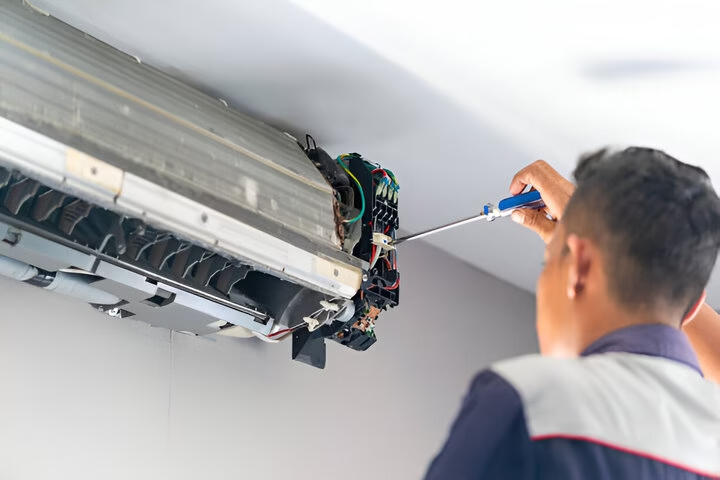
How Much to Replace an AC Unit in 2025 It doesn’t come cheap to get a new air conditioner, but it’s an investment in your home’s comfort and health. In 2025, let’s say you want to get a new air conditioner. Knowing the different prices can help you stick to your budget and make a smart choice, whether you’re upgrading your system or figuring out how to clear out an AC drain line. This guide will break down the main things that affect how much to replace an AC unit, such as the size of the unit, how efficient the system is, and the cost of work. By the end, you’ll know everything there is to know about what to expect and be ready to pick the best choice for your needs. How much does it cost to get a new AC? How is it that the price of a new AC unit in 2025 is different? It usually costs between $3,500 and $7,500. These can cost $10,000 or more if they have smart heaters and high SEER rates, for example. Key Factors Affecting the Cost: Type of unit (e.g., central ductless mini-split or portable) Energy-efficiency rating (measured in SEER and EER ratings) System capacity (measured in tons or BTUs) Costs for labor and installation Upgrades that need to be made, like pipes or permits Next, we’ll talk about the main things that affect how much it costs to replace your AC unit. Rating for Energy Efficiency The Seasonal Energy Efficiency Ratio (SEER) and Energy Efficiency Ratio (EER) of an air conditioner show how well it uses energy. Better energy gains are found in SEER and EER scores that are higher, but they cost more up front. What to Know: The minimum SEER needs for 2025 may be different depending on the rules in your area. Most of the time, systems with a SEER value of 16 to 22 are very efficient. Spending more up front on a system that uses less energy can save you a lot on your power bills over time. For instance, going from a 13 SEER unit to an 18 SEER unit can cut yearly cooling costs by as much as 30%. System Capacity and Sizing Your AC unit should be the right size for the size of your home. If you install a system that is too small or too big, it might not work as well, and your energy bills will go up. General Guidelines: Most houses that are less than 1,000 square feet can handle a 1.5-ton unit. Homes that are between 1,200 and 2,000 square feet need a 2 to 3-ton unit. Bigger homes need 4-5 ton systems. Talk to a professional in HVAC to find out what size is best for your home. They can do a thorough load estimate based on your temperature, insulation, and the home’s plan. New Installation vs. Replacement Units New Installation: Putting in a brand-new cooling system costs more because you need to buy new pipes, wiring, and other equipment. This could make the whole thing cost between $8,000 and $12,000. Replacement Units: Costs will usually be cheaper if you’re updating an old system because important equipment like pipes is already there. Labor Costs The cost of labor can be between 40 and 50 percent of the total cost of an AC unit replacement. Rates depend on where you live, how hard the installation is, and whether you need any other changes. Average Costs: Basic installation (no extras): $1,200–$2,000 $2,500 to $4,000 for a complicated system with new pipes or electricity Hiring skilled workers makes sure that the job is done quickly and safely. If you want to avoid expensive mistakes, always hire an HVAC expert who is licensed and protected. Other Considerations When making a budget for a new AC, you should also think about these other things: Type of Unit The cost depends a lot on the type of air cooling system you pick: Central air conditioning costs more, but it’s the best way to cool big houses equally. Ductless mini-split systems are flexible and use less energy, but they can cost more per unit. For single rooms, portable or window units are good choices that won’t break the bank. Lifespan Most modern units last between 12 and 15 years. If the life of your current unit is almost up, buying a good alternative can save you money in the long run. Ductwork Your new unit may not work as well if the ducts are old or leaky. If fixes are needed, ducts can cost an extra $1,500 to $3,000. Electrical Infrastructure For older homes to be able to handle the power needs of newer AC units, the electrical systems may need to be upgraded. Furnace Compatibility If your heater and air conditioner share a fan, you might need to get new ones for them to work together. Time of Year The price of replacement can change based on demand: Installation rates are often lower in the spring and fall, when demand is smaller. Costs may go up when demand goes up in the summer. Permits and Inspections Permits and checks may be needed because of local building rules and laws. These can add $150 to $500 to the total cost. Conclusion How Much to Replace an AC Unit 2025? The average cost is between $4,500 and $12,000. However, your exact cost will depend on a lot of things, such as the type of unit, its efficiency rate, the work you hire, and where you live. You can make an informed, cost-effective choice for a cooler, more energy-efficient home if you know about these factors and follow smart buying habits. FAQs What is the average lifespan of an AC unit? If you take care of your AC, it should last between 10 and 15 years. Should I get a new AC unit or fix the old one? Most of the time, it’s better to get a new unit than to fix an
How to Unclog AC Drain Line: Easy Step-by-Step Guide
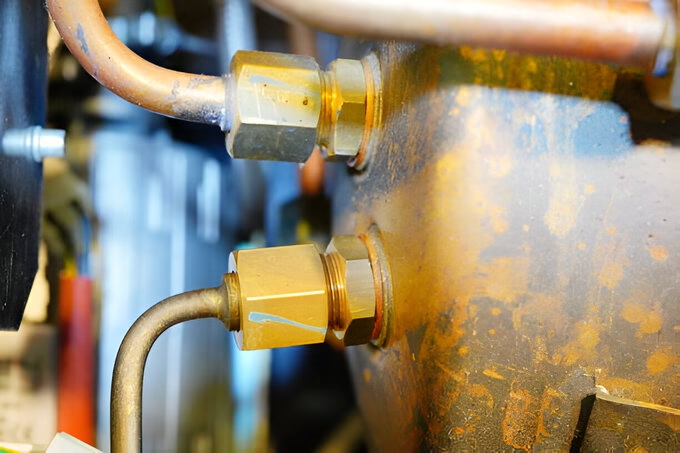
How to Unclog AC Drain Line: Easy Step-by-Step Guide A clogged AC drain line is a common problem in homes that can lead to water damage, less effective cooling, and musty smells. It can save you time, money, and stress to know how to Unclog AC drain line. If you want to fix the problem and keep it from happening again, this complete and simple guide will show you how. What Is an AC Drain Line? The AC drain line, also called the condensate drain line, is a pipe that gets rid of the extra water that your air conditioner’s evaporator coil makes. Your air conditioner does more than cool your home; it also removes moisture from the air. This water builds up in a drip pan and drains away through the condensation line. Why Does the AC Drain Line Get Clogged? Dust, algae, mold, and other things can get stuck in the drain line over time, stopping the flow of water. Some common reasons are: Do not do regular cleaning. High humidity levels Dirty air filters Infrequent use of the AC system If this line gets clogged, water will back up into the unit and could overflow, which could damage your house. Signs Your AC Drain Line Is Clogged You need to know what a clog looks like before you can learn how to Unclog AC drain line. Keep an eye out for: There is a pool of water near the central AC unit. Musty or moldy odors The AC unit isn’t cooling right. High indoor humidity levels The AC is turning off without warning. Tools and Supplies You’ll Need The following tools will help you clear the blockage: Wet/dry vacuum Funnel or flexible tubing Distilled vinegar or bleach Pipe brush or stiff wire Screwdriver (to open panels) Bucket and towels Step-by-Step Guide: How to Unclog AC Drain Line Step 1: Turn Off the Power First, safety! To keep your family safe, always turn off the power to your HVAC system at the thermostat and breaker box. Step 2: Locate the Drain Line You can find the AC drain line near the outdoor condenser unit or inside near the air handler. It is usually a white or PVC pipe. Step 3: Inspect the Drain Line Check for clear signs of clogging or water that won’t go away. To check for buildup, take off the cap from the T-shaped vent that leads to the drain line. Step 4: Use a Wet/Dry Vacuum Put the vacuum on the end of the drain line that is outside your house. Cover the hole with duct tape or a towel, and then run the vacuum for two to three minutes. The clog should be gone with this pressure. Step 5: Flush the Drain Line Mix one cup of warm water with one cup of pure white vinegar. Pour this into the drain line through the entry point. Mold and bacteria will die after 30 minutes. You could also use a weak bleach solution (1:1 with water) if the maker lets you. Step 6: Rinse with Water Once the vinegar or bleach has done its job, use a scoop or pipe to flush the line with clean water to make sure it’s dry. Step 7: Reassemble and Turn the Power Back On When the drain line is dry and clean, put the access cap back on and turn the power back on. Preventing Future AC Drain Line Clogs Follow these repair tips to keep your AC system working well: Every month, flush the drain line with vinegar. Every 1 to 3 months, change the air filters. Schedule HVAC checks once a year. Clean up the area around the inner unit. Put in a float switch to find clogs early. To save energy, set your setting to 24–26°C (75–78°F), which is the best temperature for air conditioning. This helps lower the heat and stress on your system, which makes clogs less likely. Real-World Example A homeowner in Florida said that even though the AC was on all the time, there was a musty smell and high humidity. The expert looked and saw that algae had plugged the AC drain line. A quick vacuum and vinegar flush solved the problem and made the house comfortable again. Pros and Cons of DIY Drain Line Cleaning Pros: Spends less on service calls Simple tools make it easy to do Stops water damage Cons: Might not clear out big clogs Possible damage to the machine if not done right Fears for safety without turning off the power Conclusion If you know how to Unclog AC drain line, you can avoid expensive fixes and water damage. You can keep your system going well with just a few simple tools and regular upkeep. If you try to fix the problem yourself and it doesn’t work, don’t be afraid to call a professional HVAC expert. FAQs What causes AC drain lines to clog? Inside the pipe, dirt, mold, algae, and other things get stuck, stopping the flow of water and leading to floods. Can I use bleach to unclog my AC drain line? Of course, you can use a 1:1 bleach and water mix, but first, check your AC instructions to make sure it’s safe. How often should I clean my AC drain line? The AC pipeline should be cleaned once a month, more often in the summer. When should I call a professional? If you try to fix the problem yourself and fail, or if you keep having clogs, water leaks, or the system stops working, you should call a qualified HVAC expert. External Reference Energy.gov HVAC Maintenance Tips
Best AC Temperature Settings for Energy Saving at Home
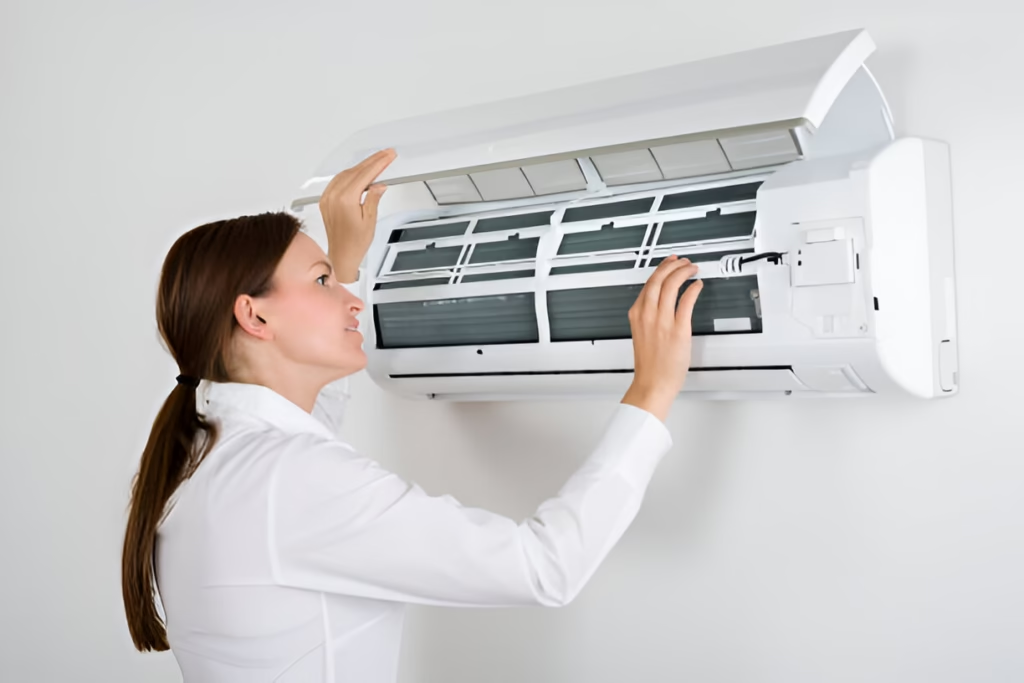
Best AC Temperature Settings for Energy Saving at Home By setting your air conditioner (AC) to the right temperature, you can save a lot of money on your energy bills and keep your home warm. Finding the best AC temperature for energy saving is more important than ever as the cost of power goes up and people become more aware of how their actions affect the environment. This piece talks about the best temperature settings for saving energy, using a study, expert opinion, and useful tips for U.S. homes. Why AC Temperature Matters Most of the energy that a home uses goes to its air units, especially in hot places. As per the U.S. Department of Energy, heating and cooling costs account for almost 48% of the typical household’s energy bill. Just a few degrees of change to your thermostat can save you a lot of money on your energy bills. What’s the best temperature for the AC to save energy? Let’s find out. Recommended Temperature Settings The Department of Energy’s Advice When you are awake and at home, the U.S. Department of Energy says to set your temperature to 78°F (25.5°C). This temperature strikes a good mix between being comfortable and using little energy. For extra savings, you can raise the temperature by 7–10°F while you’re away or asleep. Energy Saving Temperature Settings: When you’re home: 78°F (25.5°C) When you’re away: 85°F (29.4°C) When you’re sleeping: 82°F (27.7°C) By following this schedule, you can save up to 10% a year on cooling costs. Factors That Influence the Best AC Temperature 1. Humidity Levels If you live somewhere muggy, 78°F might feel too warm. To feel comfy, you might need to use a dehumidifier or turn down the temperature on your air conditioner. 2. Personal Comfort Every home is different. At 78°F, you’ll save the most energy, but some people may feel better at 75°F or 76°F. 3. Home Insulation Homes with good insulation keep cool air in longer, so you can keep the temperature higher without losing warmth. 4. AC Unit Efficiency AC units that are too old or not well taken care of may have trouble keeping the temperature stable, which can be uncomfortable and waste energy. 5. Ceiling Fans and Ventilation You can turn up the AC a few degrees without feeling a difference in comfort if you use ceiling fans to move the air around. How to Maintain Comfort While Saving Energy To save energy, you don’t have to give up comfort. To stay cool and save money, try these ideas: 1. Use a Programmable Thermostat You can set smart heaters to change the temperature at certain times of the day. As an example: Cool the house before you get home Set it higher while you’re at work. Lower it slightly at night. 2. Close Blinds and Curtains During the day, blocking sunlight lowers the amount of heat that comes in, which naturally keeps your home cooler. 3. Use Fans to Support Cooling Ceiling fans or portable fans can help move cool air around. They let you turn up the temperature by about 4°F without making the room feel warmer. 4. Seal Leaks and Insulate Close up doors and windows to keep cold air inside. Having good shielding makes your AC unit work less hard. Need Electrical Help? Your thermostat and air conditioning system should be properly set up and linked for the best performance. A domestic electrician can ensure safe and efficient wiring especially if you’re putting in ceiling fans or getting a smart thermostat. 5. Service Your AC Regularly Once a month, clean or change the filters, and at least once a year, have a professional do upkeep. Benefits of Setting the Right AC Temperature Energy Efficiency Keeping your air conditioner at the right temperature lowers the amount of electricity you use. Cost Savings Your energy bills will go down if you don’t run your AC as much. Smart choices can cut costs by at least 10%. Extended Equipment Life Your AC unit will last longer and need fewer fixes if it doesn’t get as much use. Environmental Impact Less energy use lowers greenhouse gas pollution, which is good for the environment. Common Mistakes to Avoid Setting the AC too low: Every degree below 78°F can make you use 6 to 8 percent more energy. Leaving thermostat unchanged: When you leave or go to bed, change the temperature. Ignoring maintenance: Low amounts of gas and dirty screens make the system less efficient. Not using fans: They’re a cheap way to stay cool without turning up the AC. U.S.-Specific Context and Laws Utility companies in many U.S. states will give you money back if you install a controlled thermostat. As an example: California gives people reasons to upgrade to smart heaters. Texas: Energy companies like TXU and Reliant advertise deals that save energy and let you control the temperature. Florida: Homeowners can get free energy tests and upgrades at no cost. Check with your local energy provider for specific programs. Comparing AC Temperature Settings by Room The best temperature for sitting rooms is 78°F, but other rooms may need a different temperature: Room Ideal Temp Setting Notes Living Room 76–78°F When occupied Bedroom 74–78°F Cooler at night for better sleep Kitchen 78–80°F May need ventilation due to cooking Home Office 76–78°F Balanced for comfort and focus Conclusion You don’t have to give up comfort to find the best AC setting for saving energy. The suggested temperature of 78°F is a good starting point, but your perfect temperature can change depending on things like humidity, insulation, and your comfort. You can keep your home cool and lower your energy bills by doing smart things like using fans, protecting your home, and keeping your AC system in good shape. FAQs What is the best AC temperature for energy saving in summer? When you’re at home, the best setting is 78°F (25.5°C). When you’re not there, turn it up to 85°F. Can lowering the AC
Domestic Electrician Services Explained Simply
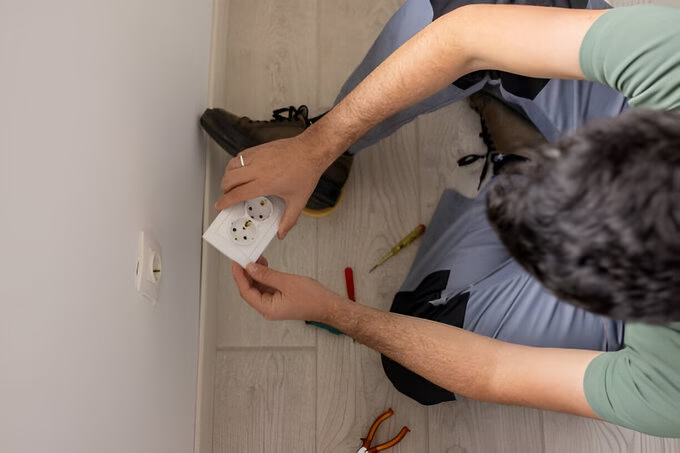
Domestic Electrician Services Explained Simply You’ve likely needed a house plumber at some point if you own your own home. But what does a home plumber really do? And why is it important to get a good one? This complete guide breaks down the work of a domestic electrician into easy-to-understand steps. It tells you when to call one and how to pick the best one for your needs. What is a Domestic Electrician? As the name suggests, a household electrician’s main job is to set up, manage, and fix electrical systems in homes. Their job is to make sure that houses are safe, up to code, and use energy efficiently. Key Responsibilities: Putting in and changing out home wiring Putting in ceiling fans and light fixtures Putting in or changing the electricity plugs and switches Putting in new circuit switches and fuse boxes Doing checks for electricity safety Why Hire a Domestic Electrician? It can be dangerous to work with electricity. A qualified home electrician knows how to do the job properly and safely and has the right tools for the job. Benefits of Hiring a Professional: Safety: Keeps you safe from things like electricity, fires, and shocks Compliance: Makes sure the work follows the rules in the area Expertise: Checks for problems correctly Insurance: A lot of the time, home insurance covers professional work. Carpenter vs Electrician: Who to Call for Home Projects? When deciding between a carpenter vs electrician. It’s important to know who handles what. Domestic electricians do all kinds of electrical work. While builders work with wood and build things. If your job includes both building and wiring like putting in hidden lights in a wooden ceiling or installing a spa setup you might even need a Hot Tub Electrician. For safety and effectiveness always talk to the right professional. Common Services Offered by Domestic Electricians 1. Electrical Installations Electricians set up all the wires and power in a home, whether it’s a new build or a renovation. This includes things like plugs, lights, and machines. 2. Fault Finding and Repairs Your lights might be flashing, or your outlets might not be working. A household electrician can figure out what’s wrong and fix it. 3. Fuse Box and Consumer Unit Upgrades Fuse boxes in older homes may not work as well as they used to. For better safety, electricians replace these with new customer units that have RCDs (residual current devices). 4. Lighting Installation Electricians make sure that all kinds of lighting, from chandeliers to LED downlights, are set up safely and correctly, both inside and outside. 5. Electrical Inspections Routine checks find problems that aren’t obvious and keep people safe. They are often needed when selling or buying a home. Signs You Need a Domestic Electrician Lights that flicker or dim A lot of circuit breakers trip A burning smell coming from the plugs or switches Wiring that is too old (mostly in homes over 30 years old) We need more power sources or power ability. How to Choose a Reliable Domestic Electrician 1. Check Licensing and Certifications Make sure that the electrician has a license and insurance. On the island of Great Britain, look for NICEIC or NAPIT marks. 2. Read Reviews and Testimonials Customer reviews on sites like Trustpilot and Google Reviews can show how good a service is and how reliable it is. 3. Ask for Quotes Get more than one quote so you can compare prices and job scopes. Be wary of prices that seem too low. 4. Confirm Warranty and Guarantees Trustworthy electricians will cover both the parts and the work they do. 5. Assess Communication and Professionalism A good electrician will be able to explain problems and come up with good answers easily. Conclusion It doesn’t have to be hard to understand what a home electrician does. These trained workers make sure that the electrical systems in your home are safe, working well, and up to code. To get the job done right, you should always hire a licensed and trustworthy household electrician, whether you’re changing a fuse box or putting in new lights. A Commercial Electrician is the right person to call if you’re working on real estate for a business. FAQs About Domestic Electricians Do I need an electrician to replace a light fixture? Yes. Some people try to do their installs, but it’s safer and often required by law to have a professional electrician do it. How much does it cost to hire a domestic electrician? Costs depend on where the job is and how hard it is. Hourly rates will be between £40 and £90, and parts will cost extra. Are electrical inspections mandatory? Most of the time, yes, especially when homes are being sold or rented. They make sure that the building meets current safety standards. Can an electrician help with smart home devices? Of course. A lot of home engineers set up and install smart home systems like security, lights, and heaters. External Resources TLPorterElectrical-A Domestic Electrician MahirCompany-Electrician Services
Carpenter vs Electrician: Which Trade Is Right for You?

Carpenter vs Electrician: Which Trade Is Right for You? Picking a skilled job can change your whole life. Carpentry and electricity work are two of the most recognised and sought-after skills. You have to choose between becoming an electrician vs carpenter. That being said, this guide will break down the pros and cons of each road and help you choose the one that fits your goals the best. Understanding the Basics What Does a Carpenter Do? Carpenters use wood and other materials to build, place, and fix things like buildings and furniture. They might be experts in things like finishing, framing, or building cabinets. Typical tasks include: Learning how to read plans and scientific drawings Cutting, measuring, and putting together things Putting up walls, floors, doors, and windows fixing up and redesigning old buildings What Does an Electrician Do? Electricians set up, maintain, and fix electrical systems in homes, companies, and factories. They work with electrical parts like plugs, circuit switches, wires, and more. A foreman electrician is usually in charge of a group of electricians working on big projects. They make sure that the work is done safely, well, and on time. Typical tasks include: Drawing and reading wiring diagrams Putting in and fixing lighting, control, and wiring systems. Checking the safety and efficiency of electricity systems Making sure that building rules are followed Educational Requirements Carpenter Training Path High school diploma or GED Apprenticeship (3-4 years) Optional training or tech school Electrician Training Path High school diploma or GED Formal apprenticeship (4-5 years) State licensing exam Continuing education for code updates Note: Most states require electricians to have licenses, but some don’t require permits for builders unless they work as contractors. Skill Sets Needed Skills for Carpenters: Strength and skill of the hands Attention to detail Basic math and geometry Knowledge of materials and tools Skills for Electricians: Strong problem-solving skills Understanding of electrical theory Ability to keep going and focus on what you’re doing Being able to work at heights or in small areas Work Environment and Conditions Carpenters: Usually work outside or on busy building sites. Exposed to weather conditions and noise Risk of cuts, falls, or injuries from tools. Electricians: Work indoors and outdoors May find their way through attics or hidden rooms Electrical shock risk if safety rules aren’t followed Career Outlook and Salary Job Growth According to the U.S. Bureau of Labour Statistics: Carpenters: Projected job growth of 2% from 2022 to 2032 Electricians: Projected job growth of 6% over the same period Salary Comparison (2025 Averages) Carpenters: ~$54,000 per year Electricians: ~$65,000 per year Because license standards are getting tighter and the need for electrical equipment is rising, electricians tend to make more money and have more job stability. Pros and Cons of Each Trade Carpenter Pros: Creative and satisfying work Lower entry barrier Versatile skill set Carpenter Cons: Lower average salary Physically demanding Susceptible to seasonal slowdowns Electrician Pros: Higher income potential Strong job security Steady demand for skilled electricians Electrician Cons: Extensive training and licensing required Higher safety risks May involve stressful troubleshooting Which Trade is Right for You? Ask yourself the following questions: Would you rather work with your hands (as a builder) or figure out complicated processes (as an electrician)? Do you like visual or artistic work more, or do you like fixing scientific problems? Do you want to get a job faster (as a builder) or get paid more over the long run (as an electrician)? Final Thoughts Both trades offer rewarding jobs with good job prospects. If you like making things, you might be interested in becoming a carpenter. You should become an electrician if you enjoy working with technology and processes. Putting money into a trade can lead to a safe and profitable future, either way. External Resources and References For more information, consider visiting: U.S. Bureau of Labor Statistics – Electricians National Electrical Contractors Association (NECA)
Foreman Electrician Salary, Skills and Career Growth in 2025

Foreman Electrician Salary, Skills and Career Growth in 2025 Introduction As building technology improves and the need for skilled workers grows the job of a foreman electrician will continue to change. This job has become more valuable, competitive and necessary on job sites across the U.S. as we move into 2025. If you’re an engineer who wants to be a supervisor or who already is one. It’s important to know how much they make, what skills they need and what job options are available. In this guide, we’ll explore: How much will electricians be in charge of making in 2025? The most important and advanced skills Ways to move up in your career and growth in your business Advice on how to stay competitive and make more money What Is a Foreman Electrician? A manager electrician is a senior electrician who is in charge of a group of workers on a job site. They are in charge of: Overseeing the setup and upkeep of electricity systems Making sure that the area safety and building rules are followed Getting customers, workers and project managers to work together Getting supplies and keeping track of plans With its mix of hands-on experience and project management this is one of the most exciting skilled trades jobs. Certifications and Education You don’t need a college degree to become a master electrician, but understanding how long it takes to become an electrician and gaining certain qualifications can help improve your reputation and salary. A journeyman electrician’s licence is needed in most states. Master Electrician License OSHA 30 Certification Those who want to work in top management can become Project Management Professionals (PMPS). NFPA 70e Electrical Safety Certification Foreman Electrician Salary in 2025 National Average As of 2025, the average pay for a master electrician in the U.S. is between $70,000 and $95,000 per year. In high-demand places skilled workers make over $100,000 per year. Salary by Experience Level Experience Average Annual Salary 5–7 Years $70,000 – $80,000 8–10 Years $85,000 – $95,000 10+ Years $95,000 – $110,000 Top-Paying States for Foreman Electricians California: $100,000+ New York: $95,000+ Washington: $92,000+ Texas: $88,000+ Illinois: $85,000+ Core Skills Required for a Foreman Electrician You’ll need more than just wiring skills to do well in this leading job. These are the most important skills: Technical Skills A deep understanding of the National Electrical Code (NEC) Being good at using plans, diagrams and CAD sketches Having experience with wiring in homes, businesses and factories Leadership and Communication Supervising a team and resolving conflicts Open lines of contact with project partners and workers Being able to teach trainees and young electricians Project Management Management of time and resources Tracking the budget and buying materials Enforcing safety rules and following OSHA rules Problem-Solving Abilities Figuring out complicated electrical problems Giving job places real-time answers Getting used to sudden changes or delays in a project Career Growth and Future Outlook Industry Growth The BLS says that the need for electricians will grow by 6% between now and 2032, which is faster than the average for all jobs. The rise of Green energy Smart building systems Commercial construction booms …means more job opportunities for skilled supervisors. Career Pathways Electrical Project Manager Construction Superintendent Electrical Estimator Business Owner (Electrical Contractor) How to Advance Your Career Attend leadership training and trade shows. Network within local trade unions or industry groups Learn how to use new tools like solar panels and building control systems. FAQs How do I become a foreman electrician? You typically need: A high school diploma or GED 4-5 years as a journeyman electrician Strong leadership and problem-solving skills Certifications like OSHA 30 and NEC familiarity Is it hard to be an electrician’s foreman? It might be because you have to deal with people, scheduling, and technology issues. But a lot of people enjoy the job because they get paid well and have to be leaders. I don’t have a trainee’s licence. Can I become a foreman? No, in most states. To officially lead a group, you need to be an apprentice or master electrician. Conclusion In 2025, a master electrician’s job is more important than ever. This is a great career path for plumbers who are ready to take charge because the pay is good, there are chances to move up, and the job market is always growing. If you already work as an electrician, getting certified and learning how to be a leader could be your next big move. Foreman electricians will continue to actually power the future, whether they’re in charge of high-rise installations or home repair teams. Interested in growing your career as a foreman electrician? Stay updated on salary trends, certifications, and career advice by bookmarking trusted resources like the Bureau of Labor Statistics, NECA, and Electrical Contractor Magazine.
How Long Does It Take to Become an Electrician?
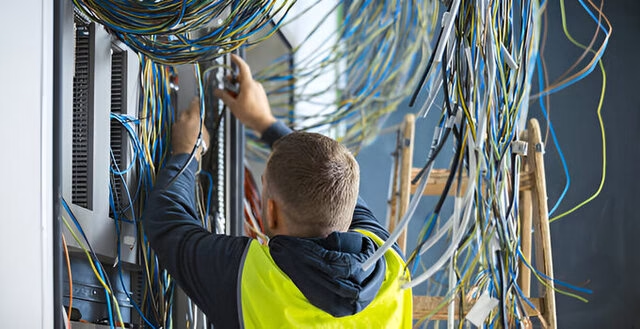
How Long Does It Take to Become an Electrician? In the US, being an electrician is a good job with steady hours, good pay, and room to move up. How long does it take to become an electrician? Many things come into play, such as the rules in the state, the type of repair job, and how quickly the person is learning and completing their training. There are a lot of steps you need to take and training goals you need to reach to become a trained electrician in the US. Why Choose a Career as an Electrician? All over the country, people need electricians. The BLS says there will be 6% more jobs for plumbers in 2022. The rate here is about the same as the average for all jobs. More buildings are being built to meet the demand for green energy sources as more people use them. Education Requirements to Become an Electrician Step 1: High School Diploma or GED You’ll need a high school diploma or GED to begin your journey. Math, science, and shop classes can help build a strong base. Step 2: Enroll in a Trade School or Community College (Optional) Some people who want to become electricians attend a community college or trade school. Usually, these classes last 6 months and 2 years and teach basic electrical theory, wiring, and safety rules. Benefits of Electrical School: Structured learning environment Hands-on experience with tools and equipment Potential for faster entry into apprenticeships Timeline Summary: How Long Does It Take to Become an Electrician? Step Duration High School Diploma or GED 4 years (or equivalent) Trade School (Optional) 6 months to 2 years Apprenticeship 4 to 5 years Journeyman Licensing Upon completion of apprenticeship Master Electrician Certification 1-2 years after journeyman Total Estimated Time: 4 to 8 years (depending on your path) You may want to know how long it takes to become a plumber if you are also interested in other skilled jobs. Even though they are structured similarly, plumbing jobs may have different start dates and license needs in various areas. Both trades offer safe, hands-on jobs with lots of money-making possibilities. Electrical Apprenticeship: The Core of Electrician Training What is an Apprenticeship? An internship is a way to learn both on the job and in the classroom. Most people who want to become electricians do it this way. How Long Does an Electrical Apprenticeship Last? Apprenticeships typically last 4 to 5 years and include: 8,000 to 10,000 hours of on-the-job training 500 to 1,000 hours of classroom instruction An apprentice electrician works for a licensed electrician and learns how to connect circuits, read plans, and follow the National Electrical Code (NEC). Where to Find an Apprenticeship Programs run by unions, like those run by the International Brotherhood of Electrical Workers (IBEW). Programs that aren’t run by unions, like those run by the Independent Electrical Contractors (IEC) Local contractors or trade associations Obtaining a License: Journeyman Electrician You have to pass a state test and finish your training before you can become a journeyman electrician. Journeyman License Requirements Requirements vary by state but generally include: Proof of completed apprenticeship Passing score on an electrical exam Application and licensing fees Once they have their license, journeymen can work independently, but state rules may limit what they can do. Advancing to Master Electrician Becoming a master electrician typically requires: 1 to 2 more years of experience as a junior worker Passing a master electrician exam Master electricians can run their businesses, get licenses, and oversee work. Continuing Education and Specialisations Electricians can specialise in areas such as: Residential wiring Commercial systems Industrial equipment Solar and renewable energy Low-voltage systems (e.g., alarms, fibre optics) Many states require ongoing education to keep a license up to date and in line with the latest laws and tools. Career Outlook and Salary According to Bls.gov: Median Pay (2023): $60,240 per year ($28.96 per hour) Top 10%: Over $99,800 per year Industries Hiring: Companies in construction, industry, government, and utilities. Tips for Success Start Early: In secondary school, you should join a program that prepares you for work as an apprentice. Network: Get involved with local unions or contractors. Stay Safe: Follow all OSHA and NEC guidelines. Stay Updated: New tools and code changes happen all the time. Conclusion How long does it take to learn how to be an electrician? Usually between 4 and 8 years, but it depends on what you want to study and what job you want to pursue. This skilled job is a good way to make money and have a safe future, whether you go to trade school first or immediately start an internship.
Best Electrician Pick-Up Lines to Brighten Your Day

Best Electrician Pick-Up Lines to Brighten Your Day Looking to add some spark to your conversations? Whether you’re an electrician by trade or have a thing for clever humor, “electrician pick-up lines” can light up any chat. You can generate a smile, start a conversation, or even ignite a connection with the right line. In this fun and electrifying article, we’ll explore the best pickup lines with a current of wit and charm. Why Electrician Pickup-Lines Work Pick-up lines can be a great icebreaker when used playfully and with good timing. Electrician pick-up lines, particularly stand out because they’re niche, pun-filled and often creative just like a clever female plumber who knows how to fix a leak and drop a witty line. These lines appeal to: Electricians looking for industry-specific humor People who love science, technology, and clever wordplay Anyone seeking a lighthearted way to start a conversation Delivering them with a wink and a smile, not taking yourself too seriously. Top 25 Electrician Pick-Up Lines That Will Shock You (In a Good Way!) Here are some of the most popular and hilarious electrician pickup lines to brighten your day: Are you a live wire? Because you’re making my heart race. Are you grounded? Because you’re keeping me from floating away. I must be a circuit breaker because I can’t stop tripping over you. You’re so electric, you light up the whole room. You’re AC and I’m DC, but together we make quite the spark. Is it hot in here or is it just your voltage? Are we in a short circuit? Because I feel an instant connection. Baby, you’re a transformer—taking my low energy and boosting me up. Are you a GFCI outlet? Because you protect me from all the shocks of love. Even if we lose power, I’d still find you in the dark. I don’t need a tester to know there’s current between us. Are you an ohm? Because I can’t resist you. Is your name Ampere? Because you’re positively attractive. Let’s make a circuit together—you, me, and a spark. You must be a wire—because you complete my circuit. Are you 240 volts? Because you’re twice the energy I can handle. If beauty were a wattage, you’d be off the charts. You light up my control panel. Let’s connect—no tools required. You’re the fuse to my overload. Are you an insulator? Because nothing can get through to me when I’m around you. You’re the positive to my negative—together, we’re electric. Do you have a license? Because you’ve just sparked a fire in me. You’re so bright, you make the sun look like a nightlight. I’d rewire the whole city just to keep our connection strong. When to Use Electrician Pick-Up Lines Like any good line, timing is everything. Here’s when electricians pick up lines shine the most: At electrician networking events or trade shows In a lighthearted text or dating app message As an icebreaker on a job site (with professional boundaries, of course) In social media captions for electrician-themed content When joking around with colleagues who share your sense of humor Avoiding a Short Circuit: How to Use Pick-Up Lines Responsibly Pickup lines should always be respectful and good fun. Here are a few best practices: Gauge the mood: Don’t use them in serious or inappropriate settings. Keep it light: If someone isn’t into it, smile and switch the topic. Read the room: Humor varies—what’s funny to one person might be cheesy to another. Avoid using them as your only form of flirting. Balance charm with sincerity. SERP Insights: What Are People Searching For? From analyzing the top 5 results for “electrician pick up lines,” we found recurring themes such as: Lists of pun-based electrician jokes Flirty or funny one-liners Lighthearted content geared toward professionals These articles often structure their content with short lists, casual tones, and keywords like “funny electrician jokes” or “pickup lines for electricians.” Our article expands on this by offering a longer, more detailed, organized version while keeping the tone playful. Final Spark: Wrapping It All Up “Electrician pick-up lines” are a fun and unique way to energize conversations. These electrifying one-liners will brighten someone’s day, whether you’re looking to impress, entertain, or crack a smile. Keep it light, be respectful, and let the sparks fly! So, charge up your charm and light up the room with these clever lines. You never know when the right voltage will strike! External References That Amp Up Your Knowledge To give our article more credibility, we recommend checking out these resources: National Electrical Contractors Association (NECA) Electrician Talk Forums Reddit: r/electricians These sites are great if you want to go beyond pick-up lines and explore the world of electrical work and community.